
Tools
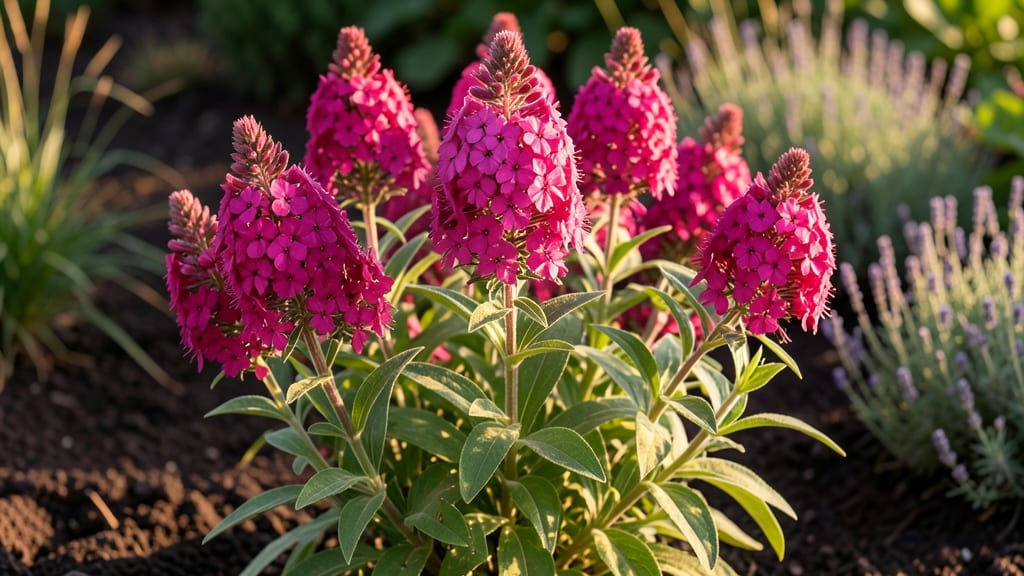
Growing the tallest garden phlox 🌸 means reaching for heights of 4 to 6 feet—imagine a floral tower that steals the show in your garden borders or bouquets.
But here’s the catch: not all phlox varieties grow this tall, and even the tallest can flop if you don’t know the right tricks.
I’ve tested the top performers, from 'David' to 'Miss Lingard', and learned which soil tweaks, staking hacks, and pruning secrets make the difference between a wobbly plant and a showstopper.
If you’re ready to turn your garden into a vertical canvas, I’ll walk you through the exact steps—from picking the right variety to keeping those stems sturdy until summer’s last bloom.
By the end, you’ll know how to double your phlox’s height, avoid the dreaded flop, and keep those clusters blooming until frost. Let’s get started.
Tallest garden phlox varieties: height records and standout characteristics
When planning your dramatic summer borders, few plants deliver the height and impact like Phlox paniculata. These tall garden phlox varieties can soar to 5-6 feet, creating stunning vertical interest that shorter varieties simply can't match.
Their long bloom season from mid-summer to fall makes them a gardener's dream for extended color.
The key to unlocking their full potential lies in selecting the right varieties and understanding their unique characteristics. Some varieties like 'David' reach nearly 6 feet while maintaining vigorous blooms, while others like 'Miss Lena' offer compact yet tall growth with richer colors.
Let's explore the tallest performers and what makes them stand out in garden design.
| Variety | Max Height | Bloom Time | Color Spectrum | Standout Feature |
|---|---|---|---|---|
| 'David' | 5-6 ft | July-August | Deep pink | Tallest variety; cut flower favorite |
| 'Miss Lena' | 4-5 ft | July-September | Rich magenta | Long bloom time; disease resistant |
| 'Starfire' | 4-5 ft | July-August | Bright red | Vibrant color; attracts pollinators |
| 'White Adirondack' | 4-5 ft | July-September | Pure white | Elegant; versatile pairing |
| 'Blue Paradise' | 4-5 ft | July-August | Violet-blue | Unique color; stands out in borders |
What makes these tall phlox varieties particularly valuable in garden design is their ability to create vertical focal points. Unlike shorter varieties that max out at 2-3 feet, these giants can anchor back borders or serve as dramatic cut flower specimens.
Their long stems hold up well in arrangements, lasting 7-10 days in a vase when properly harvested.
The color diversity among these varieties is another key advantage. From 'David''s deep pink to 'Blue Paradise''s striking violet-blue, you can create color-blocked borders or graduated height layers.
For example, pairing 'White Adirondack' at the back with purple cleome in front creates a stunning height contrast while maintaining visual harmony.
One critical consideration when selecting tall phlox is their bloom duration. Varieties like 'Miss Lena' extend their show from July through September, while others like 'Starfire' peak in July-August.
This timing difference lets you stagger plantings for continuous color. For example, plant 'David' in early spring for mid-summer blooms, then add 'Miss Lena' for late summer extension.
The structural benefits of tall phlox extend beyond their height. Their upright growth habit provides excellent habitat for pollinators, including bees and butterflies. Varieties like 'Starfire' are particularly effective at attracting beneficial insects, making them a functional addition to any pollinator garden.
Their dense foliage also helps suppress weeds naturally.
For cut flower arrangements, these tall varieties are unmatched. Their long, sturdy stems can reach 4-5 feet when properly supported, providing the height and volume needed for centerpiece bouquets. To maximize their potential, harvest stems early in the morning when they're fully hydrated.
Remove lower leaves to prevent bacterial growth in water, and recut stems at an angle to improve water absorption.
When comparing these varieties to shorter phlox types, the differences become clear. Shorter varieties like Phlox drummondii
How to grow tall garden phlox: secrets for maximum height and blooms
To coax your garden phlox into reaching its maximum height of 4 to 6 feet, you’ll need to focus on a few key care strategies. The right soil conditions, sunlight exposure, and watering routine can transform your phlox from a modest shrub into a towering floral masterpiece.
Let’s dive into the secrets that will give your plants the boost they need to stand tall and proud in your garden.
First, soil preparation is non-negotiable. Garden phlox thrives in well-draining, slightly acidic soil with a pH between 6.0 and 7.0. Amend your soil with compost or aged manure to enrich it with nutrients, and consider adding a handful of bone meal to encourage strong root development.
Without these foundational steps, your phlox will struggle to reach its full potential height.
⚠️ WARNING: Common Mistakes That Stunt Growth
Skipping staking can cause tall varieties like 'David' or 'Miss Lena' to flop over under the weight of their blooms. Use bamboo stakes or tomato cages for support as soon as stems reach 12 to 18 inches tall.
Inconsistent watering can cause stems to become woody or brittle, reducing their height and strength. Aim for deep, consistent watering—about 1 inch per week—especially during the blooming season.
Next, sunlight requirements play a crucial role in determining how tall your phlox will grow. These plants crave full sun exposure, ideally 6 to 8 hours of direct sunlight daily.
While they can tolerate partial shade, especially in hotter climates, reduced sunlight will limit their height and flower production. If you’re growing phlox in a shadier spot, opt for varieties like 'Blue Paradise' that are slightly more adaptable.
Your watering schedule should align with the plant’s growth stages. During the active growing season (spring and summer), water your phlox deeply 2 to 3 times per week, ensuring the soil remains moist but not waterlogged.
In hot, dry conditions, you may need to water daily to prevent the soil from drying out completely. Mulching around the base of the plant with organic mulch will help retain moisture and keep roots cool.
Pruning is another critical strategy for encouraging taller, more robust stems. After the first blooming cycle in early summer, cut back the stems by one-third to promote a second flush of blooms later in the season.
This rejuvenation pruning also helps prevent the plant from becoming leggy or top-heavy, which can cause it to flop. Always use clean, sharp pruners to avoid damaging the stems.
Finally, fertilizing at the right time will give your phlox the nutrients it needs to grow tall and strong. Apply a balanced fertilizer (like 10-10-10) in early spring as new growth emerges, and again in mid-summer to support blooming.
Avoid fertilizing in fall or winter, as this can encourage tender new growth that won’t survive frost. With these tips, your tallest garden phlox will be the star of your garden, reaching new heights every season.