
Tools
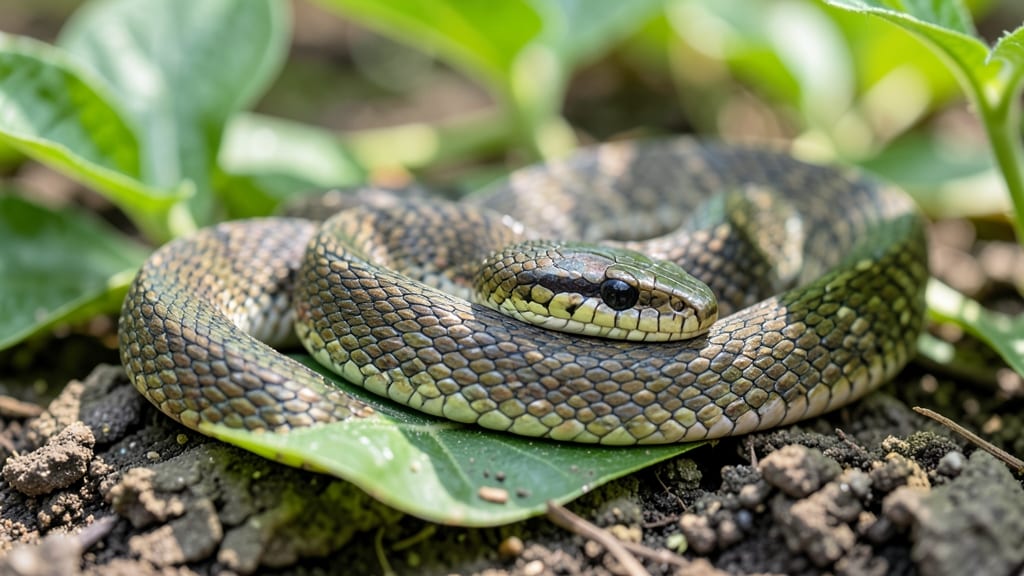
Louisiana garden snakes typically include non-venomous species such as the rat snake, corn snake, and scarlet kingsnake, which are commonly found in wooded areas, fields, and gardens across the state. Proper identification by their distinctive patterns, body size, and preferred habitats helps differentiate them from venomous mimics like copperheads or cottonmouths.
If you're gardening in Louisiana, you'll likely encounter these non-venomous species, which play a crucial role in controlling pests like rodents and insects. 🐍 The rat snake, for example, often sports gray or brown scales with dark blotches, while the scarlet kingsnake mimics coral snakes with bold red, black, and yellow bands—but without venom.
Understanding their behavior helps you appreciate their ecological value while keeping your garden safe.
These snakes are most active during warmer months, typically from spring to fall, when they're out hunting or basking in the sun. They prefer areas with plenty of cover, like leaf litter or dense vegetation, so keeping your garden tidy can actually reduce encounters.
Always remember: if you see a snake, observe from a distance and avoid handling it—even non-venomous snakes can bite when threatened.
💡 In This Article
- Common Louisiana Garden Snake Species and Their Traits
- Safety Tips: How to Avoid Snake Bites in Your Garden
Common Louisiana garden snake species and their traits
The rat snake (Pantherophis spp.) is Louisiana's most common garden snake, reaching lengths of 3-6 feet with smooth, glossy scales in shades of gray, brown, or black. Their distinctive feature? A series of dark blotches along the back, fading into lighter sides, creating a "checkered" pattern.
These snakes are excellent climbers, often found in trees or shrubs near gardens, where they hunt rodents and birds. Their non-venomous nature makes them beneficial—one rat snake can eat 50-100 mice per year! 🐀
Corn snakes (Pantherophis guttatus) are smaller, typically 2-4 feet long, with red, orange, or white backgrounds and saddle-shaped blotches bordered in black. Their scales are smooth and shiny, and they prefer wooded edges, fields, and abandoned buildings over dense forests.
Unlike their wild counterparts, captive-bred corn snakes often display high-contrast patterns due to selective breeding. These snakes are nocturnal during hot summer months but become more active during cooler spring and fall temperatures.
The scarlet kingsnake (Lampropeltis elapsoides) stands out with its bold red, black, and yellow bands, mimicking the dangerous coral snake but lacking venom. Their smooth, glossy scales and stout bodies (typically 2-3 feet long) make them easy to identify.
They thrive in moist, wooded areas and gardens with leaf litter, where they hunt amphibians and other snakes—including venomous species. Their defensive behavior includes hissing, coiling, and playing dead, which deters predators and humans alike.
Venomous look-alikes like the copperhead (Agkistrodon contortrix) or cottonmouth (Agkistrodon piscivorus) can be confused with garden snakes due to similar habitats. Copperheads have hourglass-shaped bands and a pinkish-brown hue, while cottonmouths exhibit dark bands and a white mouth when threatened.
The key difference? Garden snakes have round pupils (like a cat's), while venomous species have vertical, slit-like pupils. Always observe from a distance—never attempt to handle any snake unless you're a trained professional.
Seasonal activity varies: garden snakes are most visible from March to October, when temperatures exceed 60°F. They brumate (a reptile form of hibernation) in underground burrows or rock crevices during winter.
Their diet shifts with seasons—rodents in summer, amphibians in spring/fall. This adaptability helps them thrive in Louisiana's humid climate, where they play a vital role in pest control. 🌿
If you're gardening, look for signs like small holes in the ground (from rodent prey) or shed skins on fences and rocks. These clues confirm their presence without direct sightings.
Creating snake-friendly habitats—like leaving leaf litter in corners of your yard—can actually encourage these beneficial predators to stay, reducing your need for chemical pest control.