
Tools
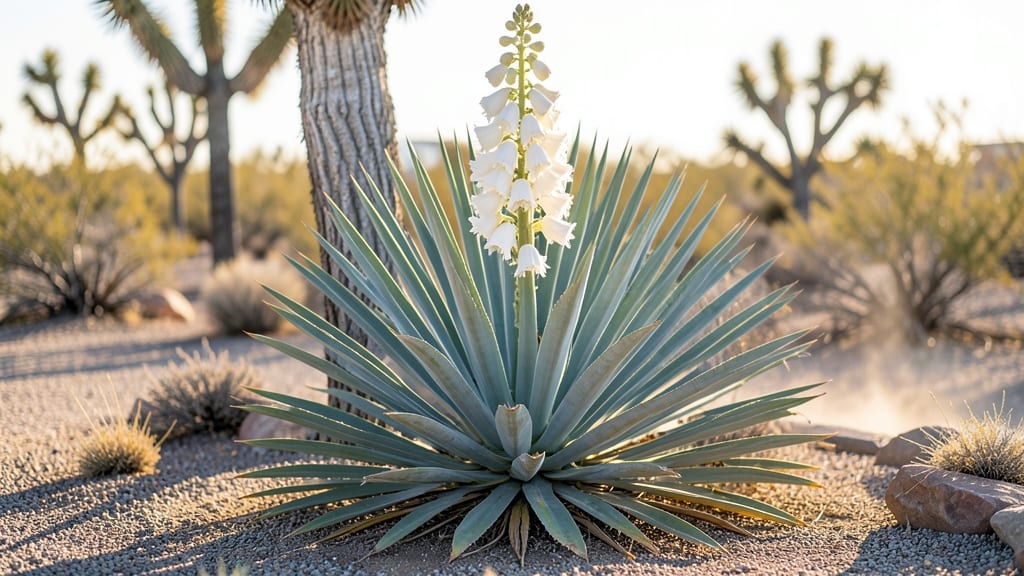
Moorten Botanical Garden in Palm Springs features stunning themed gardens, rare desert flora, and seasonal displays like orchids and cacti, all designed to immerse visitors in a tranquil botanical escape.
This desert oasis stands out for its meticulously designed themed gardens, including a serene Japanese Zen space and a vibrant Mediterranean collection, each showcasing plants adapted to arid climates. 🌵 The garden also serves as a conservation hub, protecting native species while introducing exotic varieties.
Whether you're a plant lover or simply seeking a peaceful retreat, Moorten offers something special in every season, especially during its spectacular bloom events.
Beyond the main attractions, hidden gems like the succulent lab and shaded courtyards provide unique photo opportunities and quiet spots to unwind. The garden's strategic location makes it easy to combine with nearby adventures, such as the Palm Springs Aerial Tramway or local nurseries for plant enthusiasts.
💡 In This Article
- Unique Plant Collections at Moorten Botanical Garden
- Best Times and Tips for Visiting Moorten Botanical Garden
Unique plant collections at Moorten botanical garden
The Japanese Zen garden at Moorten Botanical Garden exemplifies wabi-sabi aesthetics, where imperfection and simplicity create harmony. This 1,200-square-foot space features carefully raked gravel patterns mimicking water ripples, surrounded by bonsai trees and moss-covered stones.
The garden's designers selected drought-tolerant varieties like juniper trees and dwarf pines, which thrive in Palm Springs' 100°F+ summers while maintaining their delicate forms—a testament to traditional Japanese horticulture adapted for desert climates.
The Mediterranean collection transports visitors to a sun-drenched landscape with lavender bushes reaching 3-4 feet tall, rosemary hedges trimmed to 2-foot heights, and olive trees that have grown over 15 years.
What makes this section unique is its aromatic intensity—crush a lavender sprig and you'll smell its eucalyptus-citrus fragrance, while rosemary releases a piney aroma when brushed against.
These plants are chosen not just for beauty but for their medicinal properties—lavender for relaxation, rosemary for memory enhancement, and olive leaves for their antioxidant benefits.
Desert-adapted plants form the garden's foundation, with saguaro cacti reaching heights of 15-20 feet and ocotillo plants with 6-foot-tall red stems.
The botanical science here is fascinating: these plants store water in their thick stems and leaves, while their spines reduce surface area to minimize water loss—a perfect adaptation to Palm Springs' low humidity (20-30%) and intense sunlight.
During spring blooms, you'll see desert willows erupt in pink flowers that attract hummingbirds, demonstrating the garden's role in supporting local ecosystems.
Seasonal displays rotate annually, with orchid collections featuring 200+ varieties during winter months when temperatures drop to 50-60°F. The orchids, including Cattleya and Dendrobium species, require 60-80% humidity—achieved through misting systems—and thrive in the garden's shaded conservatory.
This creates a microclimate where tropical plants can flourish despite the desert surroundings, showcasing Moorten's ability to blend diverse botanical worlds.
What sets Moorten apart is its conservation mission—many plants are sourced from endangered species programs. For example, the Palm Springs fan palm, once nearly extinct, now thrives in the garden's native collection.
Visitors can see propagation stations where gardeners cultivate rare species like the California fan palm and desert marigold, ensuring their survival for future generations.
Don't miss the succulent lab—a behind-the-scenes area where 500+ succulent varieties are grown in sterile conditions to prevent fungal infections. Here, you'll learn how these plants store water in their leaves (up to 90% of their weight in some species) and how their waxy coatings reduce evaporation.
This lab serves as both an educational tool and a research center for desert horticulture.
The garden's pathways are designed with botanical education in mind—each section features interactive signs explaining plant adaptations. For instance, the creosote bush sign explains how its chemical compounds deter herbivores while its shallow root system allows it to thrive in poor soils.
This blend of beauty and science makes Moorten more than just a pretty garden—it's a living classroom for plant enthusiasts.