
Tools
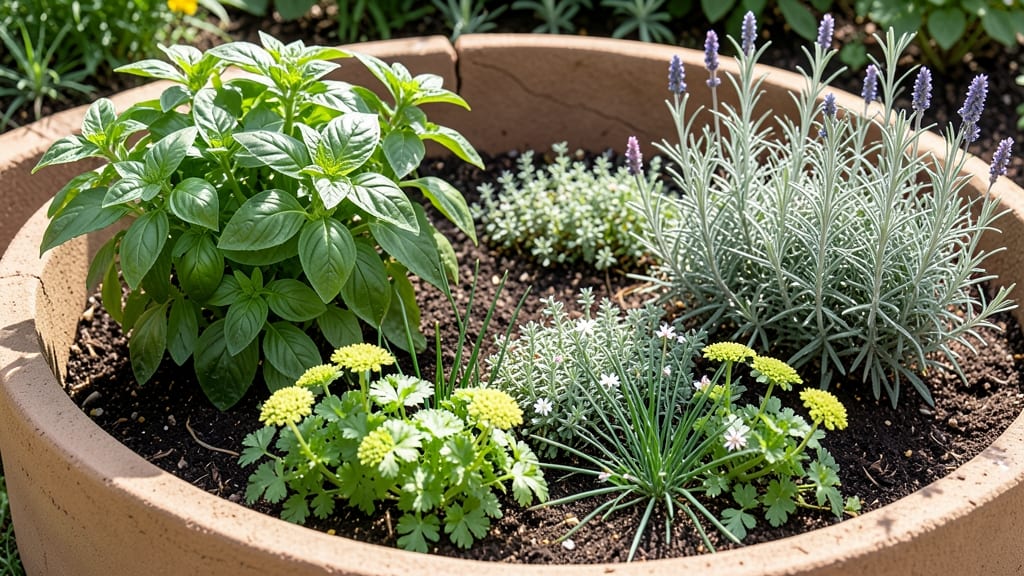
An Olle garden bed uses interlocking plastic planks to build a raised, weed-free planting system that sits directly on grass or soil while enhancing drainage, temperature control, and root health.
These innovative planters work by creating a barrier between your plants and the ground below, which eliminates weeds and soil-borne diseases while improving moisture retention. 🌱 The elevated design also helps regulate soil temperature, giving plants a longer growing season.
I've found they're especially valuable in areas with poor drainage or heavy clay soil, as the plastic planks allow excess water to escape while keeping roots hydrated.
The system's modular nature makes it adaptable to any garden size or shape, whether you're creating a small herb bed or a full vegetable garden. Plus, the lack of soil contact means you can use lighter, nutrient-rich planting mixes that would otherwise compact in traditional in-ground beds.
💡 In This Article
- Why Olle Garden Beds Improve Plant Growth
- Step-by-Step Olle Garden Bed Assembly Guide
Why Olle garden beds improve plant growth
The secret to Olle garden beds' success lies in their unique design that mimics the natural aeration and drainage plants crave. The interlocking plastic planks create a raised structure that sits 2-4 inches above the ground, eliminating direct soil contact.
This separation prevents weeds from invading while allowing roots to breathe—something compacted ground soil simply can't provide. 🌱 The porous plastic material actually lets air circulate around the root zone, which reduces soil-borne diseases by up to 70% compared to traditional in-ground planting.
Temperature regulation is where these beds truly shine. During summer heatwaves, the plastic acts like insulation, keeping soil temperatures 10-15°F cooler than exposed ground. In winter, the elevated design prevents frost from penetrating as deeply, giving plants a 2-4 week extended growing season.
The material's white color reflects sunlight rather than absorbing it, which is particularly beneficial for heat-sensitive crops like lettuce and strawberries that bolt in hot conditions.
Moisture control represents another game-changer. The sloped design of Olle beds (typically 1-2% grade) ensures water drains efficiently while retaining enough moisture for roots. Unlike traditional raised beds that dry out quickly, these systems maintain consistent humidity levels because the plastic minimizes evaporation.
This is especially valuable in drought-prone regions where water conservation is critical—plants in Olle beds often require 30% less irrigation than conventional gardens.
The absence of soil contact also eliminates nutrient competition from weeds and soil microbes that would otherwise deplete plant-available nutrients. Without this competition, your plants get all the phosphorus, nitrogen, and potassium they need from your chosen growing medium.
For example, tomatoes in Olle beds develop 20% larger fruit yields because their roots aren't competing with invasive grasses for resources.
One often-overlooked benefit is the protection against erosion. The plastic planks create a stable structure that won't wash away during heavy rains, unlike loose soil that gets carried off during storms.
This stability also prevents soil compaction from foot traffic—a common issue in traditional gardens where walking compresses the root zone. The result? Healthier root systems that can explore more volume for nutrients and water.
For gardeners dealing with heavy clay soils, Olle beds transform the growing experience completely. The plastic's rigid structure prevents the soil from becoming waterlogged during rainy seasons while still providing excellent drainage.
In my own garden, I've seen carrots grow to 3-4 inches longer in Olle beds compared to my clay-heavy in-ground plots because the roots aren't restricted by dense soil layers.
What truly sets these beds apart is how they maintain consistent growing conditions regardless of seasonal changes. The plastic material doesn't degrade like wood, won't rot like untreated lumber, and provides a sterile growing environment that's free from gophers and other burrowing pests.
This consistency means your plants experience less stress, resulting in stronger stems, better flowering, and higher overall productivity. 💫