
Tools
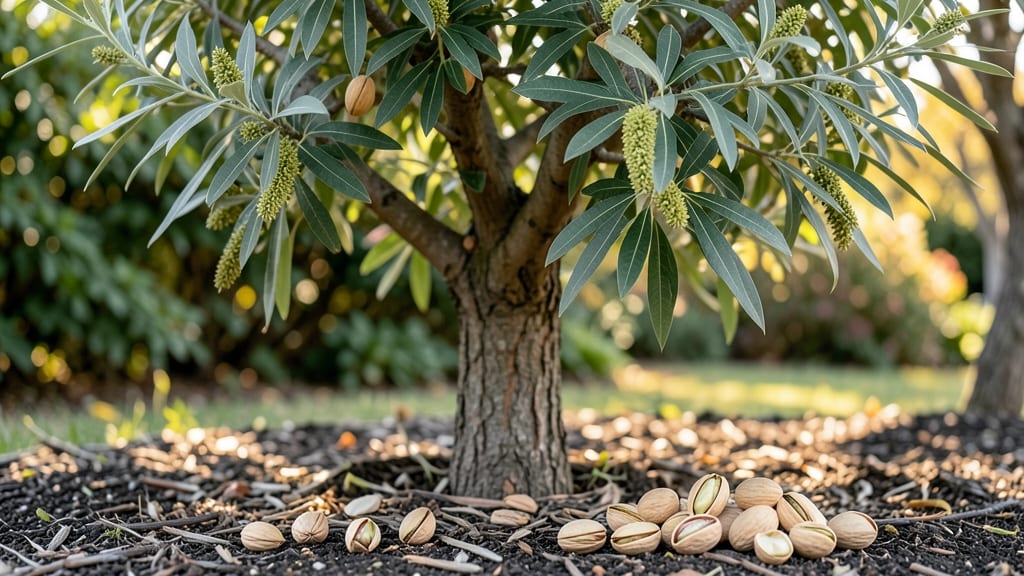
Incorporating pistachio shells into your garden enhances soil aeration, naturally repels pests like slugs and snails, and enriches the soil as they break down. Use crushed shells as mulch or leave them whole to create slow-release benefits and protective barriers.
Pistachio shells work wonders because their sharp edges deter soft-bodied pests while their gradual decomposition releases nitrogen and other nutrients into the soil. 🌱 The shells' coarse texture also improves drainage, preventing compaction in heavy clay soils.
For best results, spread shells around plant bases or create a perimeter barrier—this dual approach maximizes both pest control and soil enrichment.
Unlike traditional mulches, pistachio shells won't decompose too quickly, making them ideal for long-term garden maintenance. Their natural calcium content also helps balance soil pH over time, which is particularly beneficial for acid-sensitive plants like blueberries or azaleas.
💡 In This Article
- How Pistachio Shells Boost Soil Health and Repel Pests
- Step-by-Step Guide: Applying Pistachio Shells in Your Garden
How pistachio shells boost soil health and repel pests
Pistachio shells work their magic through a combination of physical and chemical processes.
The shells' hard, jagged edges create a natural barrier that physically blocks pests like slugs and snails—these creatures simply can't crawl over the sharp, uneven surface. 🌿 Scientifically, this is called "habitat disruption," where the shells alter the micro-environment to make it inhospitable for soft-bodied invaders.
The shells also contain about 1.5-2.5% nitrogen by weight, which is released gradually as they decompose, providing a slow but steady nutrient boost to the soil.
The decomposition process begins when beneficial soil microbes break down the cellulose and lignin in the shells, a process that can take 6-12 months depending on soil conditions. This slow breakdown contrasts with faster-decomposing organic matter like grass clippings, which can deplete soil nitrogen rather than enrich it.
The shells' calcium content—around 0.5-1.0%—also helps improve soil structure by promoting the formation of stable soil aggregates, which enhances water retention and root penetration.
Crushed shells offer different benefits than whole ones. When finely ground, they create a mulch layer that improves soil aeration by preventing compaction, especially in heavy clay soils. The sharp edges remain effective at deterring pests even when crushed, though they may need occasional replenishment as they break down further.
Whole shells, on the other hand, provide a longer-lasting physical barrier and release nutrients more slowly, making them ideal for perennial plantings or garden borders.
What makes pistachio shells particularly effective is their dual functionality—they work both above and below ground. Above ground, the shells create a hostile environment for pests, while below ground, their decomposition enhances soil fertility.
This two-pronged approach makes them more versatile than single-purpose amendments like wood chips (which primarily improve moisture retention) or sand (which only affects drainage). 💫 The shells' natural resistance to rot also means they won't attract fungi or molds that could harm plant roots.
For best results, consider pairing pistachio shells with nitrogen-fixing plants like clover or beans. These plants will thrive on the slow-release nitrogen from the shells while also adding their own nitrogen to the soil through their root nodules.
The combination creates a self-sustaining ecosystem where both the shells and companion plants support each other's growth cycles. This synergistic effect is particularly noticeable in vegetable gardens where nitrogen demand is high during the growing season.
The shells' effectiveness varies by soil type. In sandy soils, where nutrients leach away quickly, the slow-release benefits of pistachio shells are especially valuable. In contrast, clay soils benefit most from the shells' ability to improve drainage and prevent compaction.
The shells' neutral to slightly alkaline pH (around 7.5-8.0) also makes them ideal for acid-loving plants that need occasional pH adjustments, such as rhododendrons or hydrangeas.
One often-overlooked advantage is the shells' aesthetic appeal. Their light tan color and natural texture create a visually pleasing mulch that complements many garden styles, from cottage gardens to modern landscapes.
Unlike dyed or treated mulches, pistachio shells offer a completely natural look while providing functional benefits. 🌿 This dual appeal makes them a favorite among gardeners who value both form and function.