
Shrubs
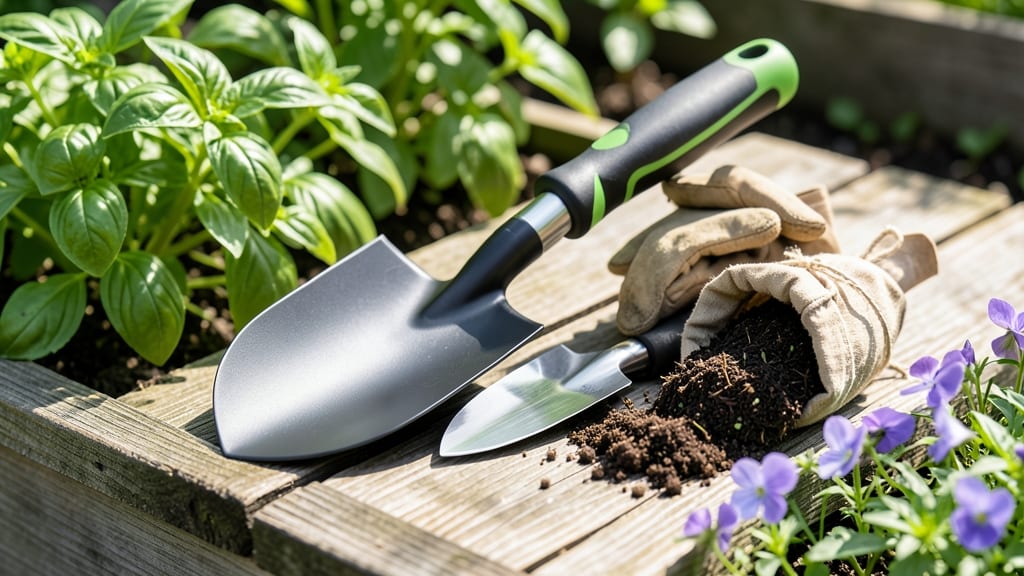
The most common name for a small shovel used in gardening is a trowel, ideal for digging, planting, and edging. For precise seed planting, use a dibber, and for delicate seedling transfers, a transplanter works best. Each tool is designed for specific gardening precision tasks.
The right small shovel can make all the difference in your garden's success. 🌱 A trowel is your workhorse for general tasks, with its flat blade perfect for breaking soil or edging flower beds.
Meanwhile, a dibber with its pointed tip lets you plant seeds at exact depths without disturbing nearby plants—a game-changer for seed sowing. For moving seedlings, a transplanter with its protective root guard minimizes damage, making it ideal for container gardens or delicate perennials.
Material matters too: stainless steel trowels resist rust, while lightweight aluminum options reduce hand fatigue during long sessions. Pro tip: look for ergonomic handles on any tool you'll use frequently—your hands will thank you after hours of gardening.
💡 In This Article
- Key Differences Between Trowels, Dibbers, and Transplanters
- Best Uses for Each Small Gardening Shovel Type
Key differences between trowels, dibbers, and transplanters
The trowel stands out with its versatile flat or slightly rounded blade, typically measuring 6-10 inches long. This design allows it to slice through soil cleanly while maintaining precision for planting bulbs or dividing perennials.
The blade's width—usually 1.5-2.5 inches—lets it cut through roots without tearing, making it perfect for edging lawns or transplanting small shrubs. What sets it apart is how the blade angle (often 45 degrees) helps lift soil with minimal effort, reducing strain on your wrists during repetitive tasks.
A dibber takes precision to another level with its slender, pointed tip—often just 0.25-0.5 inches wide—that creates perfectly sized seed holes. The shaft is usually 12-18 inches long, allowing deep insertion without bending over.
Unlike trowels, dibbers lack a cutting edge; instead, they rely on their tapered design to push through soil while leaving minimal disturbance. This matters when sowing seeds like delicate annuals where excessive soil movement can bury seeds too deep or expose them to birds.
The transplanter combines features of both tools but adds a critical innovation: a protective root guard that shields seedlings during transfer. The blade is often narrower (1-1.5 inches) and slightly curved to cradle roots, while the handle includes ergonomic grips for better control.
What makes it unique is how the root guard (usually a 1-2 inch wide plastic or metal sleeve) slides over the seedling's root ball, preventing breakage—a game-changer when moving 6-12 inch tall perennials or container-grown plants.
Material science plays a hidden role here too. Stainless steel trowels resist rust in wet soil, while aluminum dibbers stay lightweight for all-day use. The transplanter's root guard often uses flexible plastic to cushion roots during extraction.
Even the blade's edge matters: serrated trowels cut through fibrous roots better, while smooth edges on dibbers prevent soil from sticking to the tip.
Consider the physics of each tool's interaction with soil. A trowel's flat blade creates a shear force that cleanly separates soil, while a dibber's pointed tip generates compressive force that displaces soil without cutting.
The transplanter's root guard works by reducing friction between roots and soil particles during extraction—a principle borrowed from aerospace engineering where similar concepts protect delicate components during transport.
For the hands-on gardener, the choice often comes down to blade shape and how it feels in your grip. A rounded trowel handles better for weeding, while a straight dibber offers more precision for seed sowing.
The transplanter's ergonomic handle becomes crucial when moving 50+ plants in a single session—something that can turn a chore into a pleasant task.