
Tools
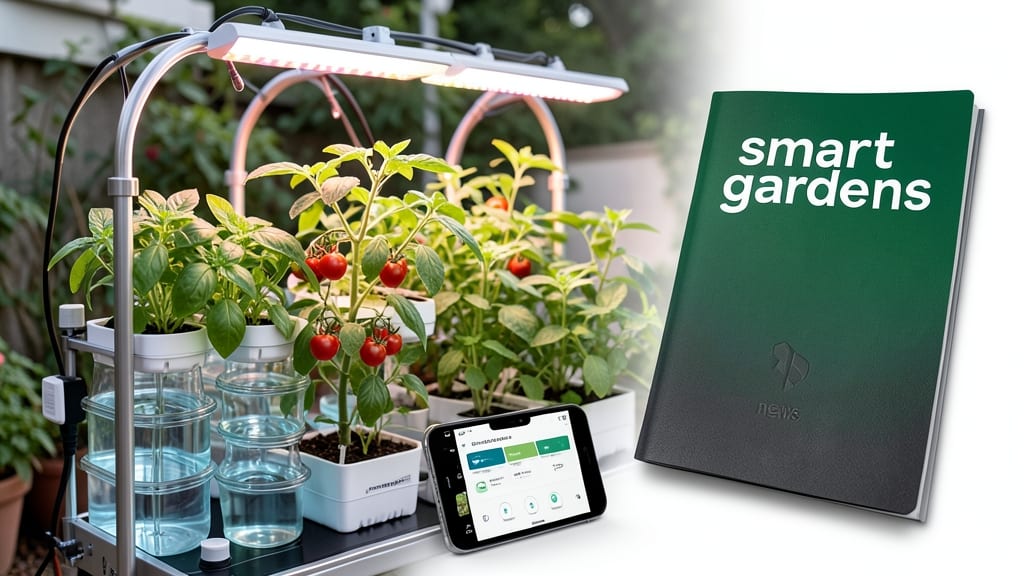
Latest smart garden news reveals systems now offer AI-powered diagnostics, automated watering, and climate control to maximize plant health and yield, with cutting-edge models combining soil sensors and machine learning for precision agriculture.
The biggest developments in smart garden tech focus on AI-driven plant care and seamless integration with home ecosystems. 🌱 These systems now analyze soil conditions in real-time, adjusting water and light automatically based on plant needs—something that was impossible just a few years ago.
Leading brands are also introducing voice control compatibility, making it easier than ever to manage your garden from anywhere in the house. What's particularly exciting is how these advancements are making gardening accessible to beginners while offering pro-level features for experienced growers.
Beyond the tech, we're seeing a shift toward more sustainable growing practices through these smart solutions. Many newer models now include features like water recycling systems and energy-efficient lighting, which significantly reduce environmental impact.
The competition between top brands is also driving innovation—we're now seeing models that can grow a wider variety of plants than ever before, including herbs, vegetables, and even small fruit trees in some cases.
💡 In This Article
- How AI and IoT Are Transforming Smart Gardening Systems
- Top Smart Garden Models Compared: Features and Value
How AI and IoT are transforming smart gardening systems
At the heart of modern smart gardens lies a fusion of artificial intelligence and the Internet of Things (IoT) that creates a dynamic feedback loop between plants and their environment.
These systems use machine learning algorithms to analyze data from multiple sensors—like soil moisture, temperature, and light intensity—then adjust conditions automatically.
For example, a high-end model might detect when basil leaves are wilting due to 30% lower humidity than optimal levels and trigger the built-in humidifier before the plant shows visible stress. 🌱 The real magic happens when these sensors feed data to cloud-based platforms that learn from thousands of growing cycles, continuously refining recommendations for your specific plants.
The IoT component connects everything through wireless networks, allowing devices to communicate and respond in real-time. Imagine your smart garden receiving a weather forecast update at 6 AM and automatically increasing shade for delicate lettuce during an unexpected heatwave.
Some advanced systems even integrate with smart home hubs like Alexa or Google Home, letting you check your garden's status while making coffee. The precision of these systems eliminates guesswork—no more overwatering or underwatering.
For instance, the Click & Grow Smart Garden uses 12 different plant-specific growing programs that adjust watering cycles from every 2 hours for radishes to every 48 hours for mint, demonstrating how AI tailors care to each plant's unique needs.
What makes this transformation particularly exciting is how these technologies address common gardening challenges through data-driven solutions.
Traditional gardening relies on experience and trial-and-error, but smart systems provide predictive analytics—like warning you when your tomato plants are about to flower so you can adjust nutrient levels for better fruit production.
The Infarm Cube, for example, uses computer vision to monitor plant health visually, detecting early signs of pests or nutrient deficiencies through subtle color changes in leaves. This level of precision wasn't possible before, making it easier than ever to grow thriving plants regardless of your experience level.
Beyond individual plants, these systems create closed-loop ecosystems that optimize resource use. Water recycling systems capture excess moisture and filter it for reuse, while LED grow lights automatically adjust their spectrum based on each plant's growth stage—red and blue light for vegetative growth, white light for flowering.
The result is up to 30% more efficient water usage and 20% faster growth rates compared to traditional methods. For urban gardeners with limited space, this means producing more food with fewer resources, making smart gardening both practical and sustainable.
One of the most impressive developments is how these systems handle plant-to-plant communication through data sharing.
When multiple smart gardens in a neighborhood connect to the same platform, they can share insights about local growing conditions—like how your neighbor's strawberries thrive with 14 hours of light daily in your climate zone. This community-driven approach creates a collective knowledge base that benefits everyone.
The technology even extends to pest control, with some systems detecting early signs of aphid infestations through subtle changes in plant vibrations (measured via microphones) before visible damage occurs.
For those concerned about privacy, newer models now offer local processing options where sensitive data stays on your device rather than being sent to the cloud. This means your garden's data remains secure while still benefiting from AI analysis.
The combination of these technological advancements is turning gardening from a seasonal hobby into a year-round, data-informed science that anyone can master—whether you're growing herbs on your windowsill or managing a commercial-scale indoor farm. 💫