
Planting
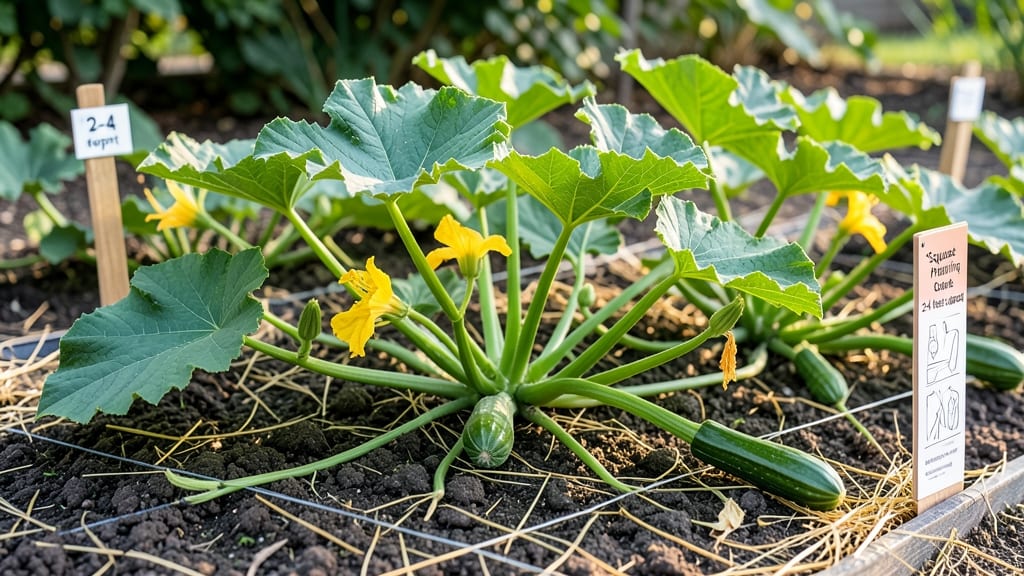
Spacing squash in your garden correctly is the key to avoiding crowded vines, blight-prone leaves, and wasted effort — yet many gardeners still guess instead of measuring.
Picture this: you’ve just planted your 🎃 seeds after the last frost, full of excitement, only to watch your squash plants struggle by midsummer. Too close together, they compete for nutrients, leaving you with small, misshapen fruit and a higher risk of disease.
That’s the cost of ignoring science-backed spacing rules.
Whether you’re growing bushy zucchini or sprawling butternut squash, the right distance between plants makes all the difference. It’s not just about fitting more plants in—it’s about giving each one room to thrive, so you end up with a bountiful harvest instead of a battle against overgrowth.
In this guide, I’ll break down the exact spacing you need for both bush and vining squash varieties, plus tips on trellising, companion planting, and how to fix common mistakes before they ruin your garden.
Bush squash spacing: compact varieties and their ideal planting distances
When growing bush squash varieties like zucchini or pattypan, proper spacing isn't just about fitting plants into your garden—it's about maximizing airflow, preventing disease, and ensuring each plant produces large, healthy fruit.
Many gardeners make the mistake of crowding these compact plants, which leads to stunted growth and powdery mildew. Let's break down the science-backed spacing guidelines to help you plan your garden like a pro.
Bush squash thrive when given enough room to spread their leaves and develop strong vines. Unlike their vining cousins, these varieties stay compact but still need 2-3 feet of space in all directions. This spacing allows sunlight to reach the lower leaves, reducing humidity and fungal risks.
For small gardens, square-foot gardening is your best friend—it lets you grow more in less space without sacrificing yield or plant health.
Here’s the key: plant-to-plant distance matters just as much as row spacing. If you squeeze plants too close, they’ll compete for nutrients and water, resulting in smaller fruit and weaker stems.
On the flip side, giving them too much space wastes valuable garden real estate. The sweet spot balances both goals, and it starts with understanding your specific variety’s mature size.
| Variety | Plant-to-Plant Distance | Row Spacing | Mature Size | Notes |
|---|---|---|---|---|
| Zucchini (e.g., 'Black Beauty') | 2 feet | 3 feet | 2-3 ft wide, 1-2 ft tall | High yield; thin to 1 plant per hill if overcrowded. |
| Pattypan ('Sunburst') | 2.5 feet | 3.5 feet | 2-3 ft wide, 1-2 ft tall | Needs extra space for flat fruit development. |
| Scallop ('Cocozelle') | 2 feet | 3 feet | 2 ft wide, 1 ft tall | Compact; ideal for containers or small gardens. |
| Bush Delicata | 3 feet | 4 feet | 3 ft wide, 1.5 ft tall | Longer fruit needs more space to avoid tangling. |
| Eight Ball ('Golden Delicious') | 2 feet | 3 feet | 1.5 ft wide, 1 ft tall | Dwarf variety; perfect for square-foot gardening. |
For square-foot gardening, divide your 1x1-foot grid into sections based on the spacing needs of your squash. For example, place one zucchini plant in a 2x2-foot area (4 square feet total) to give it the 2-foot diameter it needs.
This method works especially well in raised beds or containers, where space is limited. Just remember: less space means fewer plants, but you’ll still get a bountiful harvest with properly spaced, healthy squash.
Another pro tip: hill planting can save space while improving drainage. Mound soil into small hills (about 12 inches tall) and place 2-3 seeds per hill. Once seedlings emerge, thin to the strongest plant.
This technique not only maximizes space but also helps prevent soil-borne diseases by keeping foliage off the ground. Plus, hills warm up faster in spring, giving your squash a head start.
If you're growing bush squash in containers, opt for varieties like 'Eight Ball' or 'Scallop', which stay compact. Use pots that are at least 12 inches deep and wide, and place them in full sun.
Container-grown squash need consistent watering because pots dry out faster than in-ground soil. Mulch around the base to retain moisture and keep roots cool, which is especially important during hot summer afternoons.
One common mistake is assuming all bush squash have the same spacing needs. Delicata squash, for instance, produces longer fruit and needs 3 feet between plants to avoid tangling. Meanwhile, pattypan varieties benefit from 2.5 feet of space to allow their flat fruit to develop properly.
Always check the seed packet or plant tag for specific guidelines—this small step can make a big difference in your harvest.
Finally, don’t overlook the role of companion planting when spacing your bush squash. Pair them with bush beans, marigolds, or nasturtiums to deter pests and improve airflow. Avoid planting near potatoes or melons, as they compete for the same nutrients and can spread diseases.
Strategic spacing and companion choices work together to create a thriving, low-maintenance garden.
With the right spacing, your bush squash will produce abundant, disease-free fruit while keeping your garden organized and productive. Whether you're working with a small balcony container or a large raised bed, these guidelines will help you grow like a seasoned pro. Happy planting! 🎃
Vining squash spacing: how far apart to plant winter and summer squash
Vining squash varieties like butternut, spaghetti, and acorn squash spread aggressively, so proper spacing is critical for both yield and plant health. Unlike bush types, these sprawlers need room to stretch their vines—typically 3-5 feet between plants—while also benefiting from strategic airflow to prevent powdery mildew.
I’ve found that even experienced gardeners often underestimate how much space these varieties truly need, leading to crowded plants and poor fruit development.
One of my biggest lessons came when I planted butternut squash just 2 feet apart in a small garden. By midsummer, the vines were tangled, airflow was poor, and I lost nearly half my harvest to fungal diseases.
Proper spacing isn’t just about giving plants room—it’s about creating an environment where they can thrive without competing for resources or inviting pests. For vining squash, this means planning for both ground coverage and vertical growth opportunities.
Here’s how I now approach spacing for vining squash, with a focus on two key methods: traditional ground planting and trellised growing. The right choice depends on your garden size, available space, and whether you prioritize ease of harvest or space efficiency.
Let’s compare the two approaches to help you decide what works best for your setup.
When I switched to trellising for spaghetti squash in my backyard, I was amazed at how much space I saved. By training vines vertically, I reduced the plant-to-plant distance to just 2-3 feet while still maintaining excellent airflow.
This method also made harvesting easier—no more bending over to pick heavy squash! However, trellising requires sturdy support and regular pruning to keep vines guided upward. If you’re short on space, this is a game-changer.
For traditional ground planting, I recommend spacing butternut squash at least 4-5 feet apart to give vines room to sprawl without crowding. This method works best in larger gardens where you can dedicate entire rows to vining varieties.
To prevent powdery mildew, I always use a thick layer of mulch and avoid overhead watering. Proper spacing also makes it easier to spot early signs of pests or diseases before they spread.
One common mistake I’ve seen is assuming all vining squash have the same spacing needs. For example, acorn squash vines spread more aggressively than delicata, so they need the extra space.
Always check seed packets or plant descriptions for variety-specific recommendations. If you’re unsure, err on the side of giving plants more room—your harvest will thank you!
Finally, don’t overlook the benefits of companion planting to maximize space. I often interplant vining squash with bush beans or radishes, which thrive in the squash’s shade and help break up soil-borne diseases.
With the right spacing and companions, you can turn even a small garden into a productive squash haven. 🎃