
Planting
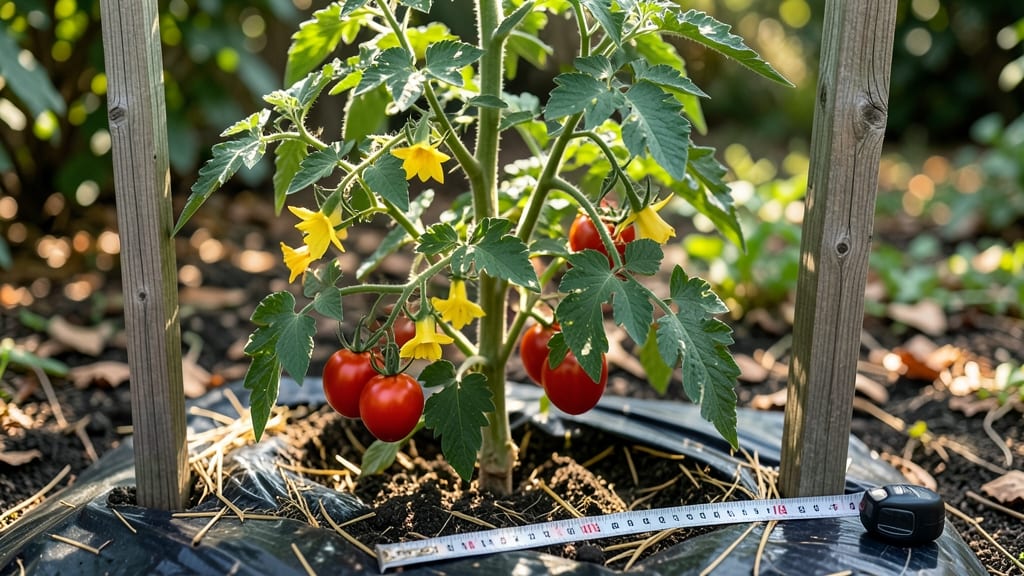
Proper tomato garden spacing is the secret to avoiding blight, maximizing fruit, and saving yourself from pruning a jungle 🍅—and it starts with knowing the right distances for your variety.
Picture this: you’ve just planted your cherry tomatoes in neat rows, only to watch them fight for space as they sprawl. By summer, you’re either pulling weeds from a dense thicket or staring at half-empty vines because the air just couldn’t circulate. That’s the cost of guessing.
Spacing isn’t just about fitting more plants—it’s about giving each tomato the room it needs to breathe, soak up sunlight, and produce heavier, healthier fruit.
Whether you’re growing compact bush varieties or towering vines, the right distances can mean the difference between a 5-gallon bucket of tomatoes and a pecking order of crowded, disease-prone plants.
Below, I’ll break down the exact spacing rules for determinate vs. indeterminate tomatoes, how to adjust for containers or tight spaces, and the three spacing mistakes that sabotage even the most eager gardeners.
Optimal tomato spacing by variety: bush vs vine tomatoes
Getting the tomato spacing right can transform your garden from a crowded mess to a high-yielding paradise. Determinate (bush) and indeterminate (vine) tomatoes have completely different spacing needs, and ignoring these can lead to stunted growth, disease, and poor fruit quality.
I’ve learned the hard way—overcrowded plants invite fungal diseases like blight and reduce airflow, which is critical for healthy foliage and fruit development.
Determinate tomatoes, like Roma or Celebrity, grow to a set height and produce fruit all at once. Indeterminate varieties, such as Sungold or Brandywine, keep growing and producing fruit until frost.
This means their spacing requirements are far greater to support their sprawling vines and continuous harvest. Let’s dive into the specifics so you can plan your garden layout like a pro.
Why spacing matters: Proper spacing ensures each plant gets enough sunlight, air circulation, and nutrients to thrive. Crowded plants compete for resources, leading to smaller fruits, weaker stems, and increased susceptibility to pests and diseases. For example, indeterminate tomatoes need room to climb trellises or cages, while determinate types benefit from compact spacing to maximize yield in smaller areas.
Here’s a quick reference table to help you visualize the ideal tomato plant spacing based on variety, including plant-to-plant distance and row spacing for both in-ground and container gardens:
| Variety Type | Plant-to-Plant Distance | Row Spacing | Mature Height | Notes |
|---|---|---|---|---|
| Determinate (Bush) | 18–24 inches | 24–36 inches | 3–4 feet | Ideal for small gardens; stake or cage for support. |
| Indeterminate (Vine) | 24–36 inches | 36–48 inches | 6–10 feet (with trellis) | Requires trellising; prune suckers for better airflow. |
| Dwarf Varieties | 12–18 inches | 18–24 inches | 1–3 feet | Perfect for containers or small spaces. |
| Container Tomatoes | 1 plant per 5-gallon container | N/A (individual pots) | 3–6 feet (depends on variety) | Use dwarf or bush types; ensure pots have drainage. |
For determinate tomatoes, spacing them 18–24 inches apart in rows 24–36 inches apart gives them enough room to spread without shading each other. This setup works well for varieties like Better Boy or Patio Princess, which are compact but still need airflow to prevent blight.
I’ve found that adding mulch around these plants helps retain moisture and keeps soil-borne diseases at bay.
Indeterminate tomatoes, on the other hand, need significantly more space. Planting them 24–36 inches apart in rows 36–48 inches apart allows their vines to sprawl or climb trellises without crowding. Varieties like Cherokee Purple or Black Krim thrive with this spacing because they produce fruit continuously throughout the season.
Without proper spacing, these vines can become a tangled mess, making it difficult to harvest and increasing the risk of disease spread.
If you’re working with limited space, consider vertical growing. Trellises or cages can save space while improving airflow. For example, indeterminate tomatoes can be trained to grow vertically, reducing their footprint by 50%.
Just ensure the trellis is sturdy enough to support the weight of the vines and fruit. I use bamboo stakes for smaller varieties and heavy-duty wire cages for larger ones, and it’s made a world of difference in my garden’s productivity.
Another pro tip: orient your rows north to south. This ensures all plants receive equal sunlight exposure, which is critical for even ripening and maximum yield.
I’ve seen gardens where rows were planted east to west, and the plants on the north side of the row would always be leggy and underproductive. Simple adjustments like this can boost your harvest by 20–30%.
For container gardening, spacing is less about distance between plants and more about container size. A 5-gallon pot is ideal for one determinate tomato, while indeterminate varieties need at least a 10–15 gallon container to accommodate their root systems.
Always use pots with drainage holes and a lightweight potting mix to prevent root rot. I’ve had great success with self-watering containers, which help maintain consistent moisture levels.
Finally, don’t forget to prune regularly to improve airflow. Remove suckers (the small shoots that form in the joint between the stem and a branch) and any yellow or diseased leaves. This not only keeps your plants healthy but also makes it easier to monitor for pests.
I prune my indeterminate tomatoes every 2–3 weeks during the growing season, and it’s made a noticeable difference in fruit quality and quantity.
Common spacing mistakes that kill tomato yields (and how to fix them)
Even experienced gardeners accidentally sabotage their tomato harvests by ignoring proper spacing. I’ve seen overcrowded plants struggle with poor airflow and fungal diseases, while others waste valuable garden real estate by spacing too widely.
The key is balancing plant maturity, sunlight exposure, and air circulation—all of which directly impact your yield.
One of the biggest mistakes is treating all tomato varieties the same. Determinate (bush) tomatoes need less space than indeterminate (vining) types, yet many gardeners cram them together. Another common error is planting rows in the wrong orientation—north-south rows maximize sunlight, while east-west rows can leave plants in shade.
Let’s fix these issues before your next planting season.
⚠️ 3 Spacing Mistakes That Destroy Tomato Yields
- Overcrowding: Plants compete for nutrients, leading to stunted growth and blight from poor airflow. Fix: Space determinate tomatoes 18-24" apart; indeterminate types need 24-36".
- Wrong Row Orientation: East-west rows create shady spots between plants. Fix: Always plant rows north-south for even sunlight.
- Ignoring Maturity: Small seedlings need less space than mature vines. Fix: Thin seedlings to proper spacing when they’re 4-6 inches tall.
Pro Tip: Use stakes or cages early to train vines—this prevents later crowding as plants mature.
Let’s start with the most critical mistake: overcrowding. I’ve seen gardeners squeeze 10+ plants into a 4’x4’ raised bed, thinking they’ll get more tomatoes. Instead, they end up with tiny fruit, yellowing leaves, and fungal infections.
The issue? Poor airflow traps moisture, creating the perfect conditions for early blight and powdery mildew.
For determinate tomatoes (like Roma or Celebrity), the ideal spacing is 18-24 inches apart in rows 24-36 inches apart. If you’re growing indeterminate varieties (such as Sungold or Brandywine), give them 24-36 inches between plants and 36-48 inches between rows.
This ensures vines have room to sprawl without shading neighbors.
Another spacing sin? Planting rows east-west instead of north-south. When rows run east-west, the tallest plants in the middle block sunlight from reaching the outer plants.
This leads to uneven ripening and smaller yields. The solution? Always align rows north-south to ensure every plant gets 6+ hours of direct sunlight.
Finally, many gardeners forget that seedlings need less space than mature plants. If you plant 12-inch seedlings too close together, you’ll have to thin them later—wasting plants and creating gaps.
Instead, start with proper spacing from day one or thin seedlings to the correct distance when they’re 4-6 inches tall. This avoids stress and gives roots room to expand.
Here’s a quick fix for common layouts: In a 4’x8’ raised bed, you can fit 4 determinate plants (spaced 24” apart) or 2 indeterminate plants (spaced 36” apart). For container growing, use 1-2 plants per 5-gallon pot—never more, or you’ll see poor fruit set.