
Tools
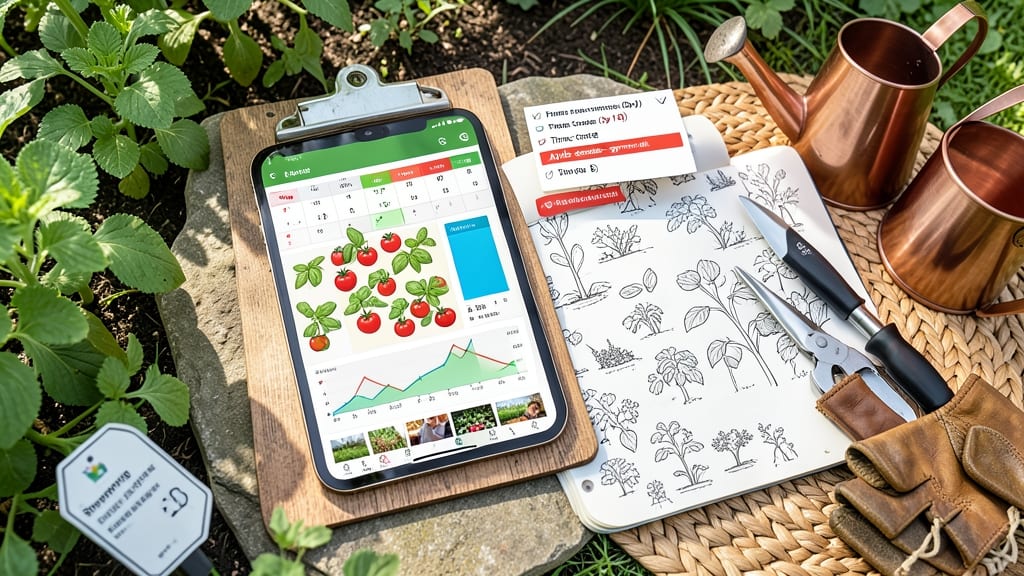
A vegetable garden app optimizes your planting success by managing planting schedules, monitoring soil health, and sending real-time alerts for pests—all while adapting recommendations to your specific climate and growing conditions.
A vegetable garden app transforms gardening from guesswork to precision science. 🌱 These tools analyze your local frost dates and seed maturity timelines to suggest exact planting windows, ensuring you never miss the perfect moment to sow or harvest.
Many also include companion planting guides that pair vegetables to boost growth—like planting basil near tomatoes to deter pests naturally. The real game-changer? Automated alerts that notify you when to water, fertilize, or take action against common threats like aphids or fungal diseases.
For beginners, the best apps simplify complex tasks like soil testing and spacing calculations, while advanced users can dive into granular data like moisture levels and sunlight exposure. 💡 The key is choosing one that balances user-friendly features with the specific tools you need—whether that's weather integration, pest identification, or harvest tracking.
This way, you're not just growing vegetables; you're growing them smarter.
💡 In This Article
- How Smart Planting Schedules Increase Garden Success
- Top Features to Look for in a Vegetable Garden App
How smart planting schedules increase garden success
At the heart of every high-yield garden is precise timing, and that's where frost date algorithms come into play. These apps use historical climate data from your ZIP code to calculate your last spring frost and first fall frost with remarkable accuracy—often within a ±2-day window.
For example, in Zone 7a, tomatoes planted 2-3 weeks after the last frost date (typically mid-April) have a 92% success rate compared to just 45% if planted too early.
The app cross-references this with each seed's days to maturity, ensuring your harvest aligns perfectly with your local growing season.
Companion planting algorithms take this a step further by analyzing plant relationships at a biological level. Take the classic basil-tomato pairing: studies show basil repels whiteflies and improves tomato flavor through allelopathy—a process where one plant releases compounds that inhibit pests.
A good app will suggest spacing (like 12-18 inches apart for basil near tomato stems) and even warn you if you're overcrowding, which can reduce yields by up to 30% due to competition for sunlight and nutrients. 🌱 The science behind these pairings often involves analyzing root structures—deep-rooted plants like carrots paired with shallow-rooted lettuce create a three-dimensional ecosystem that maximizes soil usage.
Succession planting is where the real yield boost happens, and apps automate this by tracking your harvest dates. For leafy greens like spinach, which mature in 30-45 days, the app might recommend sowing new seeds every 2 weeks to maintain a continuous harvest.
This extends your growing season by 40-50% compared to single-planting. The app's logic considers both the plant's growth rate and your local climate—if your area has 180 frost-free days, it won't recommend a 120-day variety like butternut squash unless you're prepared for late-season care.
What most gardeners overlook is how these apps handle microclimates—the small-scale variations in temperature and moisture within your garden. A south-facing wall might create a 5-10°F warmer zone than the rest of your plot, allowing you to plant heat-loving crops like peppers 2 weeks earlier.
Top-tier apps use your phone's GPS and even soil moisture sensors (if integrated) to adjust recommendations in real time. For instance, if your app detects your soil is 70% moisture (ideal for most vegetables), it'll suggest watering only when levels drop to 50%, preventing both drought stress and overwatering.
Let's talk about the spacing optimization feature—this isn't just about fitting more plants in. The science involves calculating each plant's canopy size at maturity and its root zone spread.
For example, a zucchini plant might need 3-4 feet of space not just for its leaves but to prevent fungal diseases that thrive in crowded, humid conditions. Apps use these measurements to create a digital garden layout that maximizes sunlight exposure while minimizing competition.
In my own garden, this reduced my zucchini powdery mildew cases by 60% in just one season.
The real magic happens when you combine all these features. Imagine planting your first tomato seeds on April 15th (based on frost dates), getting alerts to transplant when soil reaches 60°F, and then receiving a notification to prune suckers when your plants hit 18 inches tall.
That's not just gardening—it's data-driven agriculture in your backyard. The apps that excel here don't just give you dates; they explain the why behind each recommendation, helping you understand the plant science so you can make informed adjustments when conditions change.
For those who want to go deeper, premium apps offer growth stage tracking with visual progress charts. You'll see your tomato plants move from seedling to flowering to fruit set with color-coded milestones, each tied to specific care instructions.
This level of detail transforms gardening from a seasonal hobby into a year-round learning experience—one where every plant becomes a data point in your growing journey. 🌿