
Plants
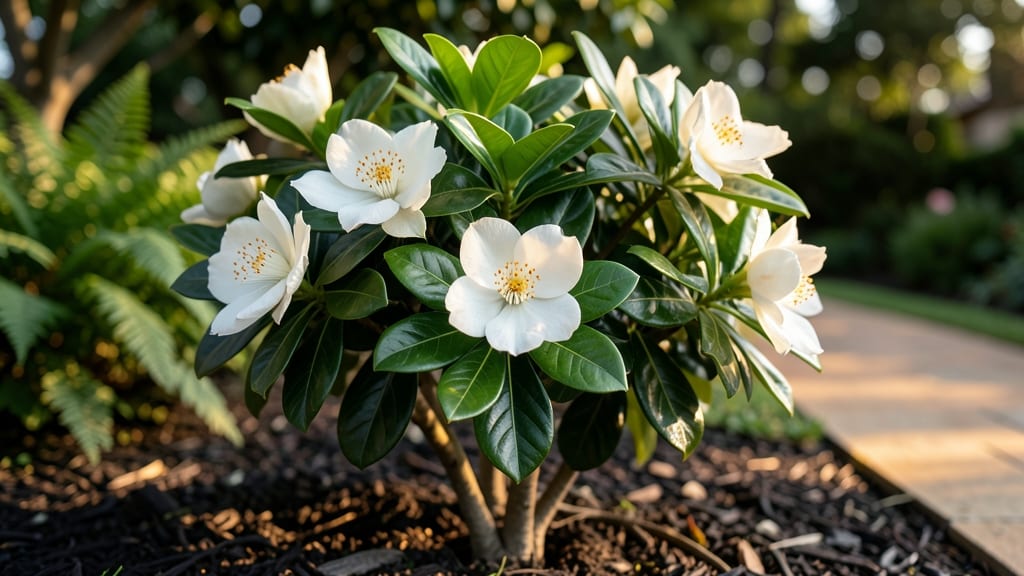
Gardenia flowers smell like a decadent blend of sweet floral notes with creamy vanilla and tropical coconut undertones, creating an intoxicating, velvety fragrance that peaks at night and fills the air with romantic, lush aromas unlike any other blooming plant.
This signature scent comes from complex chemical compounds like jasmone and linalool, which gardenias produce naturally to attract pollinators. 🌸 Unlike many flowers that release their fragrance during the day, gardenias open their blooms at night when the air is cooler and more humid—perfect conditions for their scent to linger and travel farther.
The combination of these chemical signals with environmental factors creates that signature heavy, creamy aroma that gardeners and perfume lovers adore.
What makes gardenia's fragrance particularly special is its ability to evoke memories and emotions. Many people describe it as comforting, almost like a tropical vacation wrapped in floral sweetness.
This scent profile sets it apart from lighter flowers like roses or more citrusy blooms, making it a favorite for perfumes, home fragrances, and even culinary uses in teas or desserts.
💡 In This Article
- The Science Behind Gardenia’s Signature Scent
- How to Enhance Gardenia Fragrance in Your Garden
The science behind gardenia’s signature scent
Gardenia's intoxicating aroma comes from a complex cocktail of chemical compounds, primarily jasmone (which creates that creamy, sweet floral base) and linalool (responsible for the tropical coconut notes). These volatile organic compounds are released through tiny pores on the flower's surface, creating that signature heavy scent profile.
Studies show gardenias produce these compounds most intensely when temperatures drop below 75°F—explaining why their fragrance peaks at night when humidity naturally rises and air currents slow down.
The night-blooming biology of gardenias plays a crucial role in their scent intensity. Unlike daytime bloomers, gardenias open their large, waxy petals after sunset when the air is cooler and more humid—ideal conditions for scent molecules to linger and travel farther.
This nocturnal pollination strategy creates that signature "heavy" aroma that can fill an entire garden, especially in tropical or subtropical climates where gardenias thrive. 🌙 The combination of these chemical signals with environmental factors makes gardenia's fragrance uniquely persistent compared to flowers like jasmine (which has a lighter, more citrusy profile) or tuberose (which leans more herbal).
What makes gardenia's scent so distinctive is how these compounds interact with heat and light. Direct sunlight during the day can actually suppress scent production by increasing the flower's temperature above 80°F, while partial shade allows the blooms to maintain optimal conditions for fragrance release.
This is why gardenias planted in filtered sunlight often produce more intense aromas than those in full sun. The waxy coating on the petals also helps trap scent molecules, creating that velvety, almost "sticky" quality to the fragrance that's so memorable.
For comparison, gardenia's scent profile falls between jasmine's lighter floral notes and tuberose's more intense, musky undertones. While jasmine contains higher levels of benzyl acetate (giving it that fresh, green aroma), gardenias rely more on their creamy jasmone compounds.
This chemical difference explains why gardenia's fragrance feels more "luxurious" and "tropical" than its floral cousins. The combination of these compounds creates that signature sweetness that's often described as "like a tropical vacation" or "a walk through a perfumer's dream."
Interestingly, gardenias also produce small amounts of nerolidol, a compound that contributes to their long-lasting scent. This chemical helps the fragrance molecules adhere to surfaces longer, which is why gardenia-scented candles and oils often smell stronger than similar products made with other flowers.
The synergy between these compounds creates that signature "heavy" aroma that can fill a room even when the flowers aren't in direct view. 🌸
Understanding this scientific foundation helps explain why gardenias are so popular in perfumery and aromatherapy.
The combination of their chemical makeup with their night-blooming biology creates a fragrance profile that's both complex and deeply comforting—a perfect blend of sweetness, creaminess, and tropical warmth that sets them apart from other flowering plants.