
Size
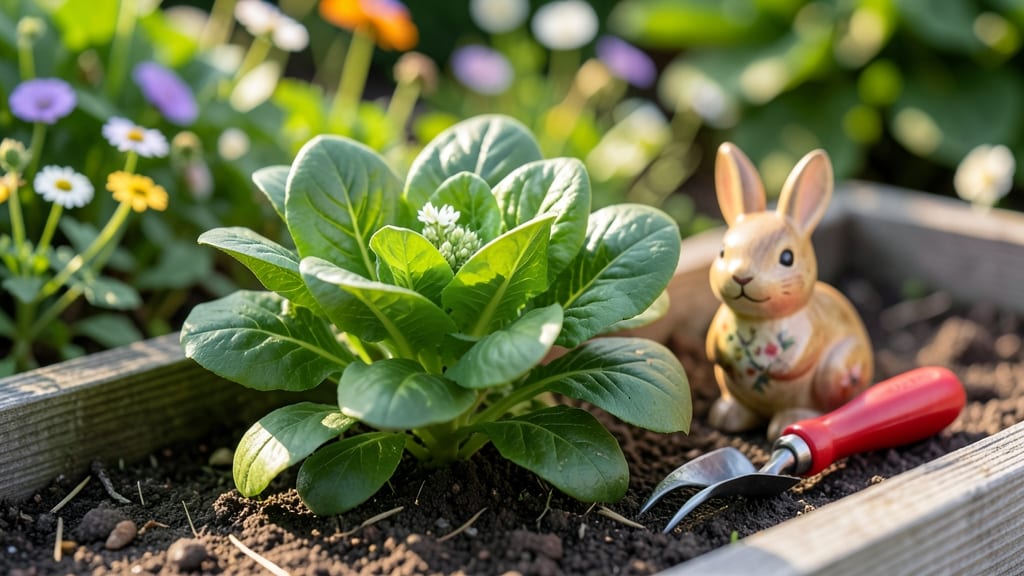
The bunny in Grow a Garden acts as an engaging helper character that guides children through planting seeds, gently watering plants, and collecting fresh vegetables—all while demonstrating organic gardening methods through playful storytelling and hands-on examples.
The bunny’s role goes beyond simple storytelling—it transforms gardening into an interactive lesson. 🐰 By showing how to plant seeds at the right depth or use a basket to carry harvested carrots, the character makes complex concepts tangible for young readers.
This approach mirrors real-world organic practices, like composting or rainwater collection, while keeping the focus on fun and exploration. The book even encourages kids to mimic the bunny’s actions, turning reading time into a practical gardening adventure.
What makes this especially clever is how the bunny bridges the gap between imagination and reality.
For example, when the bunny demonstrates how to water plants gently, it subtly teaches children about plant care routines. 💧 The basket the bunny uses becomes a metaphor for how tools can make gardening easier, while its nimble paws show how even small creatures can contribute to growing food.
This dual-purpose design ensures kids learn both the how and the why behind organic gardening.
💡 In This Article
- How the Bunny’s Gardening Role Teaches Organic Planting Basics
- Interactive Gardening Activities Inspired by the Bunny’s Tasks
How the bunny’s gardening role teaches organic planting basics
The bunny in Grow a Garden serves as a living demonstration of organic gardening principles, starting with seed planting.
When the bunny shows how to place seeds 1/4 to 1/2 inch deep in the soil (depending on the plant type), it mirrors real-world organic practices where proper depth ensures optimal germination.
For example, tiny seeds like lettuce need only 1/8 inch of coverage, while larger seeds like beans require 1 inch—details the bunny subtly models through its actions. 🌱 This visual lesson helps children understand why planting too shallow risks drying out seeds, while burying too deep can prevent them from breaking through the soil.
Watering techniques are another key lesson, where the bunny demonstrates gentle, consistent hydration using its basket to collect rainwater—a sustainable method that teaches kids about natural resources. The book emphasizes watering at the soil level rather than overhead, which prevents fungal growth and mimics how rainwater slowly penetrates the earth.
This approach contrasts with common childhood watering habits (like pouring from a jug), showing how organic gardening prioritizes plant health over convenience. The bunny’s careful movements also highlight the importance of 1-2 inches of water per week, a measurement kids can later apply to their own gardens.
Harvesting becomes an interactive science lesson when the bunny carries freshly picked vegetables in its basket. The character shows how to check for firmness (like carrots) or vibrant color (like tomatoes) as indicators of ripeness—skills that connect directly to organic growing principles.
For instance, the bunny might pull a carrot when the green tops start wilting, teaching kids to observe plant signals rather than harvest on a fixed schedule.
This hands-on approach makes abstract concepts like photosynthesis tangible, as children see how sunlight, water, and soil work together in the cycle the bunny participates in.
Composting gets a playful introduction through the bunny’s habit of leaving "garden scraps" (like banana peels or coffee grounds) in a designated pile.
The book simplifies the process by showing how these materials transform into nutrient-rich soil over time—a concept reinforced when the bunny later plants flowers in the enriched earth. This visual progression helps kids grasp decomposition science without overwhelming technical details.
The bunny’s actions also model patience, as composting takes 2-6 months to become usable, teaching delayed gratification in gardening.
What’s particularly clever is how the bunny’s nimble paws become metaphors for precision in gardening. For example, when the character carefully removes weeds without disturbing nearby plants, it demonstrates selective weeding—a technique organic gardeners use to preserve soil structure.
The basket the bunny carries serves multiple purposes: it holds tools (like a small trowel), collects produce, and even becomes a mini compost bin, showing kids how to repurpose household items in gardening. These practical examples make organic principles feel accessible rather than restrictive.
The book’s narrative structure further reinforces learning by having the bunny repeat key actions (like watering every morning) while explaining the "why" behind them.
For instance, when the bunny waters plants early in the day, it prevents fungal diseases—a lesson that connects to real organic farming practices where timing matters as much as technique.
This repetition helps children remember gardening fundamentals while making the bunny a memorable teacher rather than just a decorative character. 🐇