
Tools
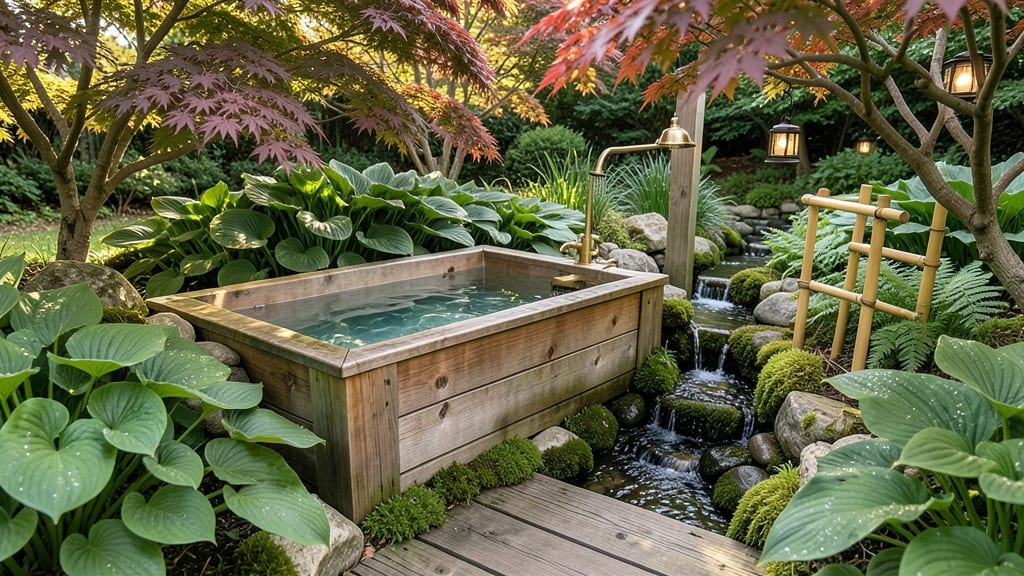
A garden bath is an outdoor soaking tub that creates a tranquil, nature-infused bathing space designed to complement your landscape. Unlike conventional hot tubs, it emphasizes organic materials and seamless integration with plants and surroundings.
A garden bath transforms your backyard into a peaceful retreat by using natural elements like cedar, stone, and recycled wood to create a soothing environment. 🌿 These tubs often incorporate eco-friendly features such as natural filtration systems that rely on plants and gravel instead of harsh chemicals.
The design focuses on blending with your garden's aesthetic, making it feel like an extension of nature rather than an intrusion.
Unlike hot tubs, garden baths prioritize simplicity and sustainability over high-tech features. They're perfect for those who want a serene bathing experience that connects with the outdoors while maintaining a low environmental impact.
The placement is key—positioning near privacy-providing plants and in areas with good drainage enhances both the experience and longevity of the installation.
💡 In This Article
- Garden Bath Design: Natural Materials and Eco-Friendly Features
- Setting Up a Garden Bath: Placement, Plants, and Practical Tips
Garden bath design: natural materials and eco-friendly features
Garden baths are crafted primarily from cedar, stone, and recycled wood because these materials resist rot, blend with natural surroundings, and require minimal chemical treatment. Cedar, for instance, contains natural oils that deter pests and prevent warping, making it ideal for outdoor use.
The stone components—often local river rock or slate—provide durability while maintaining a rustic, organic aesthetic that complements gardens. Unlike hot tubs, which rely on synthetic plastics and metal, garden baths prioritize materials that decompose naturally or can be repurposed, reducing landfill waste.
The eco-friendly design extends to water filtration systems that mimic natural processes. Many garden baths use biological filtration, where plants like water lilies and reeds absorb impurities, while gravel beds and sand filters trap debris without chemicals.
This approach contrasts sharply with hot tubs, which often require chlorine or bromine to maintain water quality. The result is a bathing experience that feels purer and more connected to nature. Some advanced systems even incorporate UV sterilization for added hygiene while keeping the water crystal clear without harsh additives.
What truly sets garden baths apart is their focus on sustainable construction. Builders often source materials locally to minimize carbon footprints, and the assembly process generates less waste than hot tub installations.
The tubs are typically shallow and wide—designed for soaking rather than vigorous exercise—so they require less water to fill and heat. This efficiency aligns with the growing trend toward low-impact outdoor living, where every element serves both function and beauty without compromising the environment.
For those concerned about maintenance, garden baths offer a simpler alternative. The absence of jets and high-temperature systems means fewer mechanical components to break down. Instead, upkeep focuses on natural cleaning methods, like brushing algae from stone surfaces or occasionally refreshing the water with rainwater.
This low-maintenance approach makes garden baths ideal for homeowners who want a luxurious outdoor space without the upkeep demands of a hot tub.
Consider the sensory experience: the warmth of cedar under your hands, the gentle murmur of water cascading over stones, and the earthy aroma of surrounding plants. These elements create a multisensory retreat that hot tubs, with their plastic shells and chemical scents, simply can't replicate.
The design philosophy centers on harmony—where the bath becomes a living part of the garden ecosystem rather than a standalone appliance.
If you're drawn to minimalist, nature-inspired design, garden baths deliver on both aesthetics and ethics. The materials, filtration, and construction all reflect a commitment to sustainability that aligns with modern values of slow living and ecological responsibility.
It's not just about having a tub in your yard—it's about creating a space that nurtures both body and environment.