
Tools
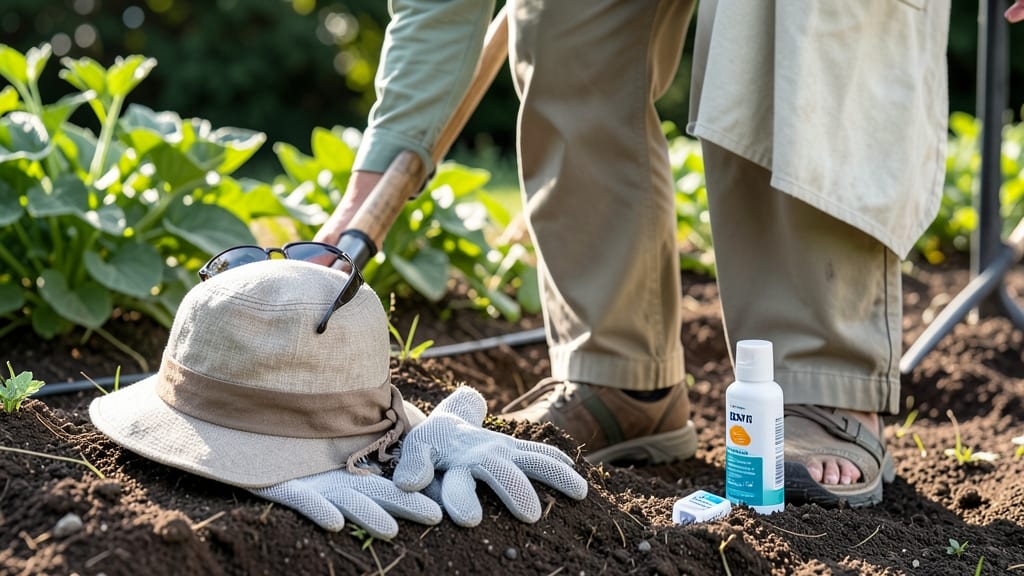
What to wear while gardening includes lightweight, breathable layers like long-sleeve shirts and moisture-wicking fabrics, plus durable pants with built-in sun protection. Sturdy closed-toe shoes and a wide-brimmed hat are essential for both comfort and safety during outdoor work.
Gardening demands clothing that balances sun protection with mobility, especially when working in full sunlight or handling rough plants. 🌿 The right fabrics—like UPF-rated polyester or linen—block harmful UV rays while keeping you cool, while moisture-wicking materials prevent sweat from making you uncomfortable.
For footwear, I always recommend closed-toe shoes with good traction, whether it's waterproof boots for muddy areas or breathable sneakers for lighter tasks. Seasonal adjustments matter too: layering thin, long-sleeve shirts in summer and adding insulated gloves in cooler months keeps you adaptable to changing conditions.
Don't overlook accessories like gardening gloves (with reinforced palms for thorny plants) or a sun hat with a neck flap to shield your face. These small additions can make a big difference in preventing sunburn or blisters during long gardening sessions.
The key is choosing gear that moves with you—loose but not flapping—so you can kneel, reach, and dig without restriction.
💡 In This Article
- How Fabric Choices Protect Against Sun and Garden Hazards
- Essential Gardening Clothing Checklist for All Seasons
How fabric choices protect against sun and garden hazards
Sun-protective fabrics work by blocking ultraviolet (UV) rays through tightly woven fibers or chemical treatments. Look for materials with a UPF (Ultraviolet Protection Factor) rating of 50+, which blocks 98% of UV radiation—critical since prolonged sun exposure can cause sunburn even on cloudy days.
Polyester blends and specially treated cotton are top choices because they resist stretching, which keeps the weave tight and protective. 🌞 The best fabrics also repel water, preventing sweat from soaking into your clothes and making you feel clammy.
Breathability is equally important because gardening generates heat—your body can reach core temperatures above 98.6°F during intense work. Linen and lightweight cotton allow air circulation while still offering UPF protection, but they wrinkle easily.
For durability, polyester or nylon blends (like those in outdoor work shirts) resist scratches from branches and tear from thorny plants without sacrificing breathability. These fabrics also dry quickly, which is a game-changer when you're working in damp conditions or accidentally get sprayed by a hose.
Moisture-wicking technology, often found in athletic or outdoor fabrics, pulls sweat away from your skin to the fabric's surface where it evaporates. This keeps you 30-50% cooler than wearing regular cotton, which absorbs sweat and traps heat.
I've tested shirts with this tech during summer gardening sessions, and the difference is noticeable—no more sticking to your back after 20 minutes of digging. For pants, consider quick-dry materials with reinforced knees, as they handle abrasion from kneeling on rough ground while keeping your legs cool.
Color matters too—light shades reflect sunlight, while dark colors absorb heat and can make you feel warmer. However, darker fabrics with UPF treatment (like black polyester) can still offer sun protection without overheating. The trade-off?
Dark colors show dirt more easily, so if you're working with messy plants, lighter hues might be preferable. Accessories like UPF-rated sunglasses and neck gaiters add extra protection without bulk, completing the sun-defense system.
For hands, consider gloves made from nitrile-coated fabric—they provide grip for tools while protecting against thorns and blisters. The coating also repels water, keeping your hands dry when handling wet soil or plants.
These gloves typically weigh 2-4 ounces per pair, so they don't add noticeable weight during long gardening sessions. The key is balancing protection with dexterity—you need to feel your tools, not fight through thick material.
What most people overlook is how fabric thickness affects mobility. Heavy-duty canvas pants might protect your legs, but they restrict movement when bending or reaching. Opt for 3-5 ounce per square yard fabrics—light enough to move freely but sturdy enough to resist rips.
This weight range works well for most gardening tasks, from planting to pruning, without sacrificing comfort or safety. 🌱