
Planting
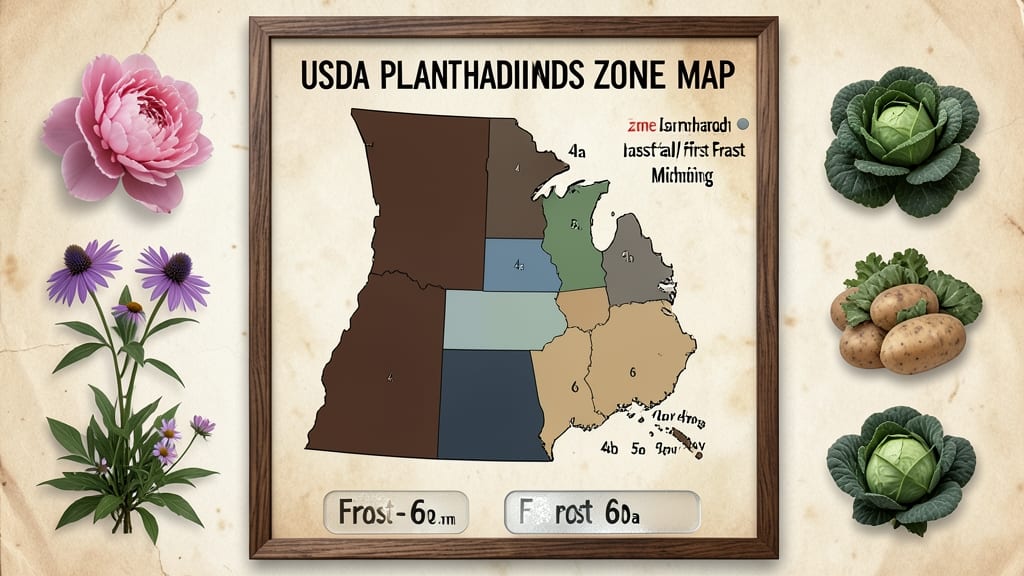
Michigan's gardening zones range from 4 to 6, with most of the Lower Peninsula falling in Zones 5 and 6, while the Upper Peninsula typically sits in Zones 4 and 5. Localized conditions like urban heat or lake effects can adjust plant hardiness by up to half a zone.
Michigan's gardening climate varies dramatically between its two peninsulas, creating distinct growing conditions. The Lower Peninsula enjoys warmer Zones 5 and 6 along the southern border and around cities like Detroit, while the northern regions of the Upper Peninsula often experience the colder Zone 4 conditions.
These differences mean gardeners in Traverse City might plant peonies in spring while those in Marquette should wait until after the last frost. 🌱
What's interesting is how microclimates further complicate things. Urban areas like Grand Rapids can be 2-3°F warmer than rural spots just miles away due to pavement and building heat retention. Meanwhile, lake-effect zones near Lake Michigan create pockets where tender plants thrive despite being in Zone 5.
This is why I always recommend checking your specific ZIP code on the USDA map and observing your garden's behavior for at least three seasons before making final planting decisions.
💡 In This Article
- USDA Hardiness Zones in Michigan: A County-by-County Breakdown
- Adjusting for Michigan’s Microclimates: Urban vs Rural Gardening Tips
USDA hardiness zones in Michigan: a county-by-county breakdown
Michigan's gardening zones reflect its dramatic geographic contrasts. The Lower Peninsula transitions from Zone 5 in the north (around Traverse City) to Zone 6 along the southern border (including Detroit and Ann Arbor).
This gradient occurs because southern regions benefit from the Lake Michigan moderating temperatures, while northern areas experience colder winters with average minimum temperatures around -15°F to -20°F (Zone 5) compared to -10°F to -5°F in Zone 6.
The Upper Peninsula presents even more variation, with most areas falling into Zone 4 where winter lows can drop to -25°F to -30°F. Cities like Marquette and Houghton experience these extreme conditions, but pockets near Lake Superior may see slightly milder winters due to lake-effect snow buffering.
What's fascinating is how quickly zones change—just 50 miles north of Grand Rapids (Zone 5b) can push you into Zone 4b in the Upper Peninsula.
Transition zones between 5 and 6 create gardening challenges. For example, Battle Creek sits in Zone 6a (-5°F to 0°F), while Lansing is in Zone 5b (-15°F to -10°F), just 60 miles apart.
This means gardeners in Battle Creek can reliably grow peony bushes (hardy to Zone 3) without winter protection, while Lansing gardeners need to monitor winter dieback. The USDA map shows these shifts clearly, but local frost records often reveal even finer distinctions.
Elevation plays a subtle but important role too. Areas near Sleeping Bear Dunes (elevation 1,000+ feet) can experience 5-10°F colder minimum temperatures than nearby coastal areas, effectively shifting them half a zone colder.
This is why some gardeners in Traverse City (Zone 5b) might struggle with hydrangeas (Zone 4) unless planted in sheltered microclimates.
For precise planning, I recommend overlaying your property's elevation with the USDA map. Most garden centers provide local frost dates that account for these micro-variations—Detroit's last spring frost averages April 15th, while Marquette's comes two weeks later.
This timing difference explains why tomato plants thrive in Detroit gardens but often need greenhouse protection in Marquette until late May.
What most gardeners overlook is how soil type interacts with these zones. Sandy soils in northern Michigan drain quickly, creating colder root zones in winter, while clay soils in southern areas retain heat. This means even within the same zone, planting depth and mulch thickness become critical factors for success.