
Planting
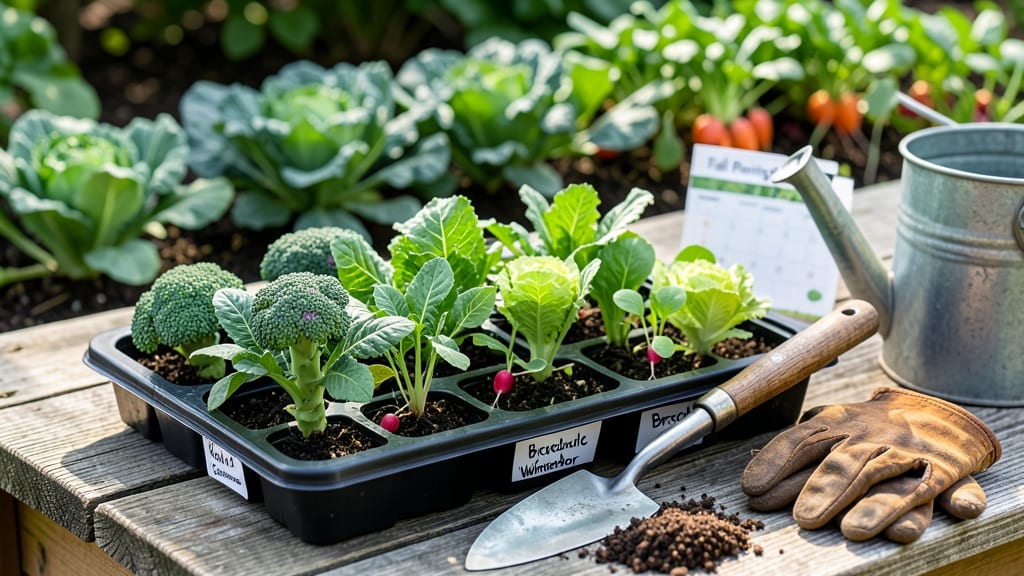
Planting a fall garden in Texas means starting between mid-August and early October—but the exact timing depends on your heat zone, soil, and even your neighborhood’s microclimate.
Texas gardeners know timing is everything—plant too early, and your fall crops face scorching heat; too late, and frost ruins your harvest. But with Texas’ diverse heat zones (from 8a to 11a), the ‘perfect’ planting window varies wildly by county—and even microclimate.
In North Texas, where cooler air arrives earlier, you can start broccoli and kale as early as late July, while Gulf Coast gardeners should wait until mid-September to avoid summer’s lingering heat. The key is aligning your planting with soil temperatures and first-frost dates.
Below, I break down the region-specific deadlines you need to know, plus how to adjust for urban heat islands, elevation shifts, and soil types—so you can grow a fall garden that thrives, not just survives.
Texas fall planting deadlines by USDA heat Zone (with county-specific adjustments)
Texas’ USDA heat zones 8a–11a create dramatic differences in fall planting schedules. In Zone 8a (Panhandle), you can start cool-season crops like broccoli as early as late July, while in Zone 11a (Rio Grande Valley), you’re planting kale and carrots until mid-October.
These deadlines aren’t just about frost dates—they’re about escaping summer’s brutal heat while giving plants enough time to mature before winter chill sets in.
County-level variations add another layer of complexity. For example, Hill Country (like Travis County) has earlier frost risks than Gulf Coast regions (like Brazoria County), where mild winters allow for extended growing seasons.
Even within cities, urban heat islands can push planting windows 1–2 weeks later than rural areas just 20 miles away. Let’s break down the last safe planting dates by zone and key regions.
| USDA Heat Zone | Key Counties | Last Safe Planting Date (Cool-Season Crops) | Example Crops | Adjustments |
|---|---|---|---|---|
| 8a | Lubbock, Amarillo, Midland | Late July – Early August | Broccoli, Kale, Spinach, Carrots | Plant 60–75 days before first frost (avg. Nov 15) |
| 8b | Abilene, Wichita Falls, San Angelo | Early August – Mid-August | Cabbage, Lettuce, Radishes, Peas | Urban areas (e.g., Fort Worth) delay by 1 week |
| 9a | Austin, San Antonio, College Station | Mid-August – Early September | Collards, Mustard Greens, Turnips, Beets | Hill Country 2 weeks earlier than Gulf Coast |
| 9b | Houston, Dallas, Tyler | Late August – Mid-September | Green Onions, Bok Choy, Arugula, Fava Beans | East TX 1 week later than North TX |
| 10a | Corpus Christi, Laredo, Brownsville | Early September – Late September | Cilantro, Lettuce, Spinach, Radishes | Coastal areas extend to October for heat-tolerant varieties |
| 10b | Beeville, Victoria, Harlingen | Mid-September – Early October | Broccoli Rabe, Swiss Chard, Peas, Carrots | Irrigated beds push limits to November |
| 11a | Brownsville, McAllen, Weslaco | Late September – Mid-October | Kale, Collards, Mustard Greens, Beets | Tropical varieties thrive year-round with shade cloth |
For Zone 8a gardeners in the Panhandle, late July is your cutoff for broccoli and kale—any later, and the 100°F+ soil will stunt germination. Use shade cloth to protect seedlings until nighttime temps drop below 85°F.
In contrast, Zone 11a gardeners in the Rio Grande Valley can plant kale until mid-October, thanks to mild winters and longer growing seasons. Even here, though, heavy frosts (rare but possible) can damage tender greens like spinach.
County-specific adjustments often come down to elevation and microclimates. For example, Travis County (Austin) has cooler nights in the Hill Country, allowing for 2-week earlier plantings than Bexar County (San Antonio), where urban heat delays cooling.
Always check your local first frost date (via Texas A&M AgriLife) and subtract the days to maturity for your crop. For
How to adjust planting dates for Texas microclimates (urban heat islands, elevation, and soil factors)
Texas’ microclimates can shift planting windows by weeks—even within the same city. Urban areas like Austin experience heat island effects, where asphalt and concrete trap heat, delaying fall planting by 10–14 days compared to rural zones.
Meanwhile, high-elevation spots like the Davis Mountains (Zone 8a) may have earlier frost risks than low-lying areas.
Soil type also plays a critical role. Clay-heavy soils in East Texas stay moist longer, allowing cooler temps to linger, while sandy soils in West Texas dry out faster, demanding earlier planting. Without adjustments, your broccoli or kale could bolt in heat—or freeze before maturity.
⚠️ callout warning
Start by mapping your garden’s sun exposure and wind patterns. South-facing urban lots bake faster, while north-facing yards near trees stay cooler.
Tools like the Texas A&M Frost-Free Date Calculator (agrilifeextension.tamu.edu) adjust for your specific ZIP code, but cross-check with real-time data from weather stations like those at local airports.
For urban gardens, delay planting by 7–10 days if your soil stays above 75°F past the USDA’s recommended window. Use shade cloth or mulch to cool roots, and opt for heat-tolerant varieties like ‘Flash’ broccoli or ‘Red Sails’ lettuce, which handle 85°F soil temps better than standard types.
High-elevation areas (e.g., Lubbock or Marfa) may need to plant 4–6 weeks earlier than lowland zones. Test soil moisture weekly—sandy soils dry out in days, while clay soils can stay soggy, delaying germination.
Amend clay with compost and gypsum to improve drainage, and use drip irrigation to maintain consistent moisture.
Pro tip: Plant fast-maturing varieties (e.g., ‘Early Wonder’ peas or ‘Baby Bok Choy’) in late August for a September harvest before temps drop. Pair them with slow growers like carrots or kale, which thrive in cooler fall air.
Monitor nighttime temps—when lows dip below 55°F, cover seedlings with frost cloth to protect tender greens.