
Planting
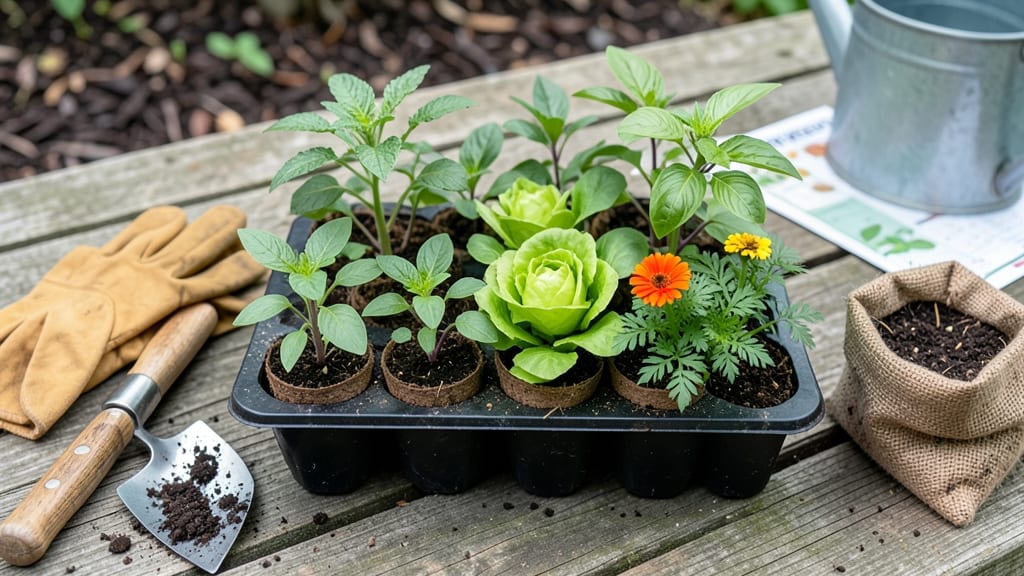
Planting a garden in Ohio depends on mastering frost dates and microclimates—because timing is everything when you want zero-frost success.
Ohio’s unpredictable frost dates can turn a gardener’s excitement into frustration—unless you know the exact windows for planting. Skip the guesswork, and you’ll avoid the heartbreak of frost-nipped seedlings or missed harvests. The key? Understanding your region’s last spring frost and first fall frost dates.
From the cooler Northwest to the milder Southeast, Ohio’s planting zones shift dramatically. Cool-season crops like spinach and peas thrive when soil warms to 40°F, while tomatoes and peppers need to wait until 60°F—and that’s where local data saves the day.
Here’s how to align your planting schedule with Ohio’s frost-free windows, including region-specific tips, soil temperature tricks, and a foolproof checklist to avoid common timing mistakes.
Ohio’s frost dates by region: when to plant for zero-frost success
Ohio’s diverse geography creates five distinct microclimates, each with unique last spring frost and first fall frost dates. These variations mean your Northwest Ohio garden might be ready weeks before your Northeast Ohio plots.
To avoid frost damage, align your planting schedule with your region’s frost-free probability—not just the calendar.
Most Ohioans fall into USDA Zones 5b-6a, but microclimates shift planting windows by 2-4 weeks. For example, Toledo’s Northwest often sees its last frost by April 15, while Youngstown’s Northeast can wait until May 1.
This guide breaks down each region’s frost dates and optimal planting windows for both cool-season crops (like spinach) and warm-season crops (like tomatoes).
| Region | Last Spring Frost (Avg.) | First Fall Frost (Avg.) | Cool-Season Planting Window | Warm-Season Planting Window |
|---|---|---|---|---|
| Northwest (Toledo, Lima) | April 15 | October 15 | March 15–April 15 | May 1–May 15 |
| Northeast (Youngstown, Canton) | May 1 | October 10 | April 1–May 1 | May 15–May 30 |
| Southwest (Dayton, Cincinnati) | April 1 | October 20 | March 1–April 10 | April 20–May 10 |
| Southeast (Columbus, Athens) | April 5 | October 18 | March 10–April 5 | April 25–May 10 |
| Central (Lancaster, Mansfield) | April 10 | October 12 | March 15–April 10 | May 1–May 15 |
*Dates based on 30-year NOAA averages. Use row covers to extend windows by 2-3 weeks.
For cool-season crops like lettuce, peas, and spinach, start seeds indoors 4-6 weeks before your region’s last frost date. Direct-sow hardy greens 2-3 weeks before the average last frost—so in Northwest Ohio, that’s mid-March, while Northeast Ohio gardeners wait until early April.
Warm-season crops—such as tomatoes, peppers, and cucumbers—demand soil temperatures above 60°F. Use a soil thermometer to confirm readiness. In Southeast Ohio, where soil warms faster, you can plant tomatoes by April 25, but Northwest Ohio gardeners should wait until May 1 to avoid frost damage.
Ohio’s first fall frost dates also vary widely. Northwest Ohio sees frost as early as October 15, while Southeast Ohio often holds off until October 20. For cool-season crops like kale and carrots, sow seeds 8-10 weeks before your first frost.
In Central Ohio, that means planting by September 1 for a late-October harvest.
Pro tip: Use frost-free probability charts from the Midwestern Regional Climate Center to fine-tune your timing. For example, if your region has a 10% chance of frost on May 15, you can safely plant heat-loving crops like basil or okra without row covers.
Don’t forget microclimate exceptions. Urban areas like Columbus often experience urban heat islands, delaying first frost by 1-2 weeks compared to rural zones. Conversely, valleys and low-lying areas (like parts of Northeast Ohio) can trap cold air, pushing frost dates earlier.
To maximize your growing season, pair frost dates with plant maturity timelines. For instance, bush beans take 50-60 days to harvest. In Southwest Ohio, plant them by May 10 to ensure a harvest before the October 20 frost.
Adjust for slower varieties or cooler summers by planting earlier.
Track your local frost dates annually—they shift with climate patterns. Use NOAA’s Local Climate Data tool to input your ZIP code for hyper-local frost predictions. Over time, you’ll spot trends (e.g., your area’s last frost arriving 3 days earlier
How to adjust planting times for Ohio’s microclimates and soil temperatures
Ohio’s variable microclimates mean your neighbor’s frost-free date might be weeks off from yours. To maximize your growing season, I’ve learned to rely on soil temperature and NOAA frost data—not just the calendar.
For example, tomatoes need soil at 60°F to thrive, while peas can handle cooler 40°F soils. Here’s how to adjust your planting schedule like a pro.
Start by checking your local last frost date using NOAA’s Frost/Freeze Products. In northwest Ohio, average last frost is April 20th, while southeast Ohio sees it March 25th.
Subtract the days to maturity for your crops—60 days for bush beans means planting by mid-June in colder zones. I always add a 2-week buffer for safety.
- Use a soil thermometer to confirm 50°F+ for cool crops like lettuce or 60°F+ for tomatoes before planting.
- Extend spring by 2-4 weeks with row covers or cold frames—I’ve grown spinach in March this way!
- Hardened-off transplants (like peppers) need 10-14 days of gradual exposure to outdoor conditions before final planting.
- For fall crops, use first frost dates: October 15th in northwest Ohio vs. November 5th in southeast Ohio.
- Plant heat-loving crops (e.g., okra) in late May—earlier and they’ll bolt in Ohio’s 90°F+ heat.
Don’t ignore microclimate hotspots—south-facing slopes warm faster, while low areas stay colder. I once planted cucumbers on a sunny hillside 2 weeks earlier than my flat garden, and they thrived! Use mulch to stabilize soil temps—black plastic warms soil 5-10°F faster than bare ground.
For transplants, I harden them off by moving them to 50% shade for 3 days, then 100% sunlight for 4 days before planting. This mimics Ohio’s unpredictable weather shifts and reduces transplant shock. Pro tip: Water transplants deeply the day before moving them to minimize stress.
Fall planting? Start with fast-maturing crops like radishes (30 days) or kale (45 days) 6 weeks before your first frost. I’ve even grown garlic in October for a spring harvest—planting cloves 4-6 weeks before ground freezes is key.
Remember: Ohio’s weather whiplash means flexibility. If a late frost hits, cover plants with frost blankets—I’ve saved tomato seedlings this way even after a 28°F night. The right adjustments turn Ohio’s unpredictable climate into your garden’s superpower. 🌱