
Planting
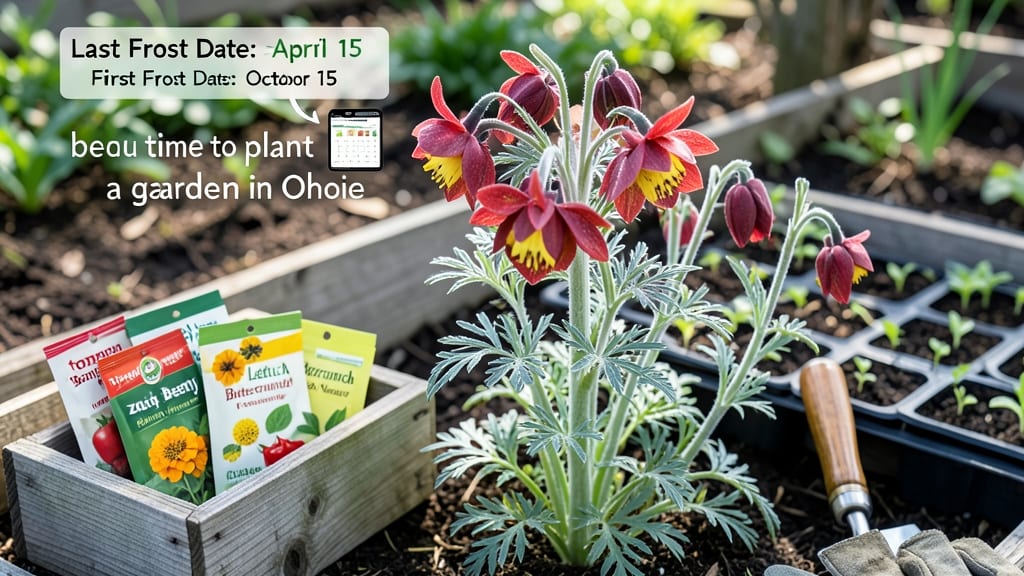
The best time to plant a garden in Ohio depends on your crop type and local frost dates, with most regions aiming for mid-April through late May to avoid late freezes.
Ohio’s unpredictable spring frost can turn your gardening dreams into a risky gamble—but timing your plantings just right ensures a thriving harvest. Knowing the exact frost-free windows for Ohio’s diverse microclimates is the secret to avoiding frozen seedlings and maximizing your garden’s potential.
From the cooler northern zones to the warmer southern areas, Ohio’s planting calendar shifts by weeks. Cool-season crops like spinach and peas can handle early spring soil, while tomatoes and peppers need to wait until after the last frost—usually late April to early May in most regions.
In this guide, I’ll break down Ohio’s frost-free timeline by crop type, share regional planting tips, and reveal the 3-week rule for safe transplanting after frost. You’ll learn how to extend your growing season and avoid common mistakes that waste time and money.
Ohio’s frost-free zones & last spring/first fall frost dates by region
Ohio’s gardening success hinges on understanding its USDA Hardiness Zones 5b-6b and frost-free windows. Northern regions like Cleveland typically experience later last frosts (mid-May), while southern areas like Cincinnati see earlier spring warmth (early April).
These differences mean your planting calendar must account for microclimates—even neighboring towns can have 2-week frost variations.
Knowing your exact frost dates prevents frozen seedlings and maximizes yields. For example, Columbus averages its last spring frost on April 15, while Toledo waits until May 1.
Fall frosts also vary—Cleveland often sees its first frost by October 15, but southern Ohio can extend harvests until November 1. Let’s break down the specifics by region to plan your garden like a pro.
Why these dates matter: Frost-sensitive plants like tomatoes and peppers can’t tolerate temps below 50°F, while cool-season crops (spinach, peas) thrive in 40°F+ conditions. Using these timelines ensures you’re planting at the optimal window for each crop type.
| Region/City | USDA Zone | Avg. Last Spring Frost | Avg. First Fall Frost | Frost-Free Days | Planting Tip |
|---|---|---|---|---|---|
| Northern Ohio (Cleveland, Akron) | 5b (-15°F to -10°F) | May 10–15 | October 10–15 | 150–160 days | Wait until May 20 for warm-season crops |
| Central Ohio (Columbus, Dayton) | 6a (-10°F to -5°F) | April 15–20 | October 20–25 | 180–190 days | Start warm crops April 25 after soil warms |
| Southern Ohio (Cincinnati, Lexington) | 6b (-5°F to 0°F) | April 5–10 | November 1–5 | 200–210 days | Earliest in Ohio—plant peas by March 15 |
| Northwest Ohio (Toledo, Lima) | 5b (-15°F to -10°F) | May 1–5 | October 5–10 | 145–155 days | Use row covers for early starts |
If you’re in Cleveland or Akron, northern Ohio’s shorter frost-free season means prioritizing fast-maturing varieties (e.g., bush beans over pole beans). For Columbus and Dayton, the central Ohio window allows for two full harvests—plant early greens in March and warm crops in May.
Meanwhile, southern Ohio gardeners can push limits with fall plantings like kale or radishes until October 15.
Pro tip: Check the Ohio State University Extension’s frost forecast (updated weekly) for real-time adjustments. Even a 3-day warm spell in April can trick you into planting too early—always wait until 3 weeks after the average last frost for warm-season transplants like tomatoes.
For Toledo and Lima, the northwest Ohio climate demands extra caution. Use row covers or cold frames to extend the season by 2–3 weeks on either end.
This tactic lets you plant cool-season crops like broccoli as early as March 15 and warm crops by May 10, even in Zone 5b.
Remember: Microcl
Best planting times for Ohio’s top vegetables & flowers by crop type
Ohio’s gardening success hinges on understanding frost-sensitive vs. frost-tolerant crops. Cool-season vegetables like spinach and peas thrive when planted 4-6 weeks before your last frost, while tomatoes and peppers need warm soil and air temperatures—typically after Memorial Day.
Flowers like marigolds can handle cooler temps, but petunias prefer waiting until late spring.
Your planting timeline should align with Ohio’s USDA Zones 5b-6b, where last frost dates range from mid-April in southern Ohio to mid-May in northern regions. For example, Columbus gardeners can start frost-hardy crops in early April, while Cleveland’s gardeners should wait until late April.
Always check local forecasts—unpredictable late frosts can devastate tender seedlings overnight.
For cool-season crops, focus on early spring plantings. Spinach and peas tolerate light frosts, while broccoli needs consistent moisture. Start seeds indoors in late winter or direct-sow in March.
If you miss the spring window, try late summer plantings for a fall harvest—just ensure seedlings establish before first fall frost (typically late October in southern Ohio, early October in northern regions).
Warm-season plants like tomatoes and peppers demand patience. Begin seeds indoors in February or March, then transplant after soil warms to 60°F+. Use black plastic mulch to speed up soil warming. Basil, another warm-season herb, thrives with consistent moisture—water at the soil line to prevent leaf scorch.
For flowers, marigolds are your best bet for early plantings—they deter pests and bloom reliably in cooler weather.
Don’t overlook herbs like cilantro and dill, which have distinct planting needs. Cilantro bolts in heat, so plant it in early spring or late summer for fall harvests. Dill, on the other hand, loves warmth and grows best after last frost.
Both prefer well-draining soil and 6 hours of sun daily. For maximum flavor, harvest cilantro leaves in the morning and dill seeds when they turn golden-brown.
Pro tip: Use row covers to extend the season for frost-sensitive crops. These lightweight fabrics protect seedlings from late frosts while allowing sunlight and water to penetrate. Remove covers when plants outgrow them or risk overheating.
Pair this with succession planting—sow quick-growing crops like radishes every 2 weeks to ensure a steady supply throughout the season.
Ohio’s gardening calendar rewards those who plan ahead. By aligning your plantings with frost dates and soil temperatures, you’ll avoid the heartbreak of frozen seedlings and enjoy a bountiful harvest. Start with frost-tolerant crops in early spring, then transition to warm-season plants as temperatures rise. Happy planting!