
Planting
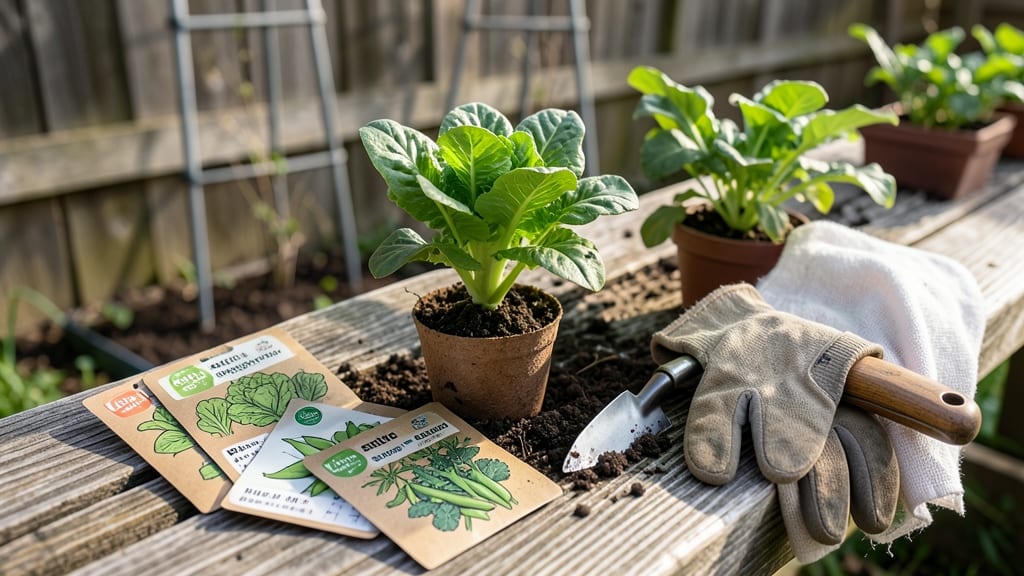
Planting a garden in Ohio at the right time means the difference between a bountiful harvest and a frost-killed disappointment.
Ohio’s unpredictable spring weather can turn a gardener’s excitement into frustration if you plant too early or too late—knowing the exact frost-free dates by crop type ensures your garden thrives, not freezes.
With USDA Zone 6a conditions, the average last frost date hovers around April 15, but cooler northern regions like Toledo may wait until mid-May. Here’s how to time your 🌱 General Vegetable Garden for success.
Below, I’ll break down the best planting windows for cool-season crops (like lettuce and peas) versus warm-season favorites (tomatoes, peppers, and cucumbers), plus soil prep tips to get your Ohio garden off to the right start.
Ohio’s frost-free dates by region: when to plant cool-season vs. warm-season crops
Ohio’s last frost dates vary dramatically from north to south, making it critical to align your planting schedule with your region’s microclimate patterns.
In Northern Ohio (e.g., Cleveland, Toledo), the average last frost arrives around May 10–15, while Southern Ohio (e.g., Cincinnati, Columbus) typically sees frost-free conditions by April 15–May 1.
These differences mean cool-season crops like lettuce and spinach can start earlier in the south, while northern gardeners must wait longer to avoid frost damage.
For warm-season crops, timing is equally crucial. Tomatoes, peppers, and cucumbers need consistent soil temperatures above 60°F—a threshold often reached by early May in the south but not until late May in the north.
Planting too early risks stunted growth or death, while waiting too long shortens the harvest window before Ohio’s first frost (typically October 15–30).
Here’s the Ohio State University Extension’s data on frost-free dates and ideal planting windows for your region:
| Region | Avg. Last Frost | Cool-Season Crops (Plant) | Warm-Season Crops (Plant) | Notes |
|---|---|---|---|---|
| Northern Ohio (Cleveland, Toledo) | May 10–15 | Spinach, peas, lettuce: March 20–April 15 (under row covers) | Tomatoes, peppers, cucumbers: May 20–June 1 (soil ≥60°F) | Use black plastic mulch to warm soil faster. |
| Central Ohio (Columbus, Dayton) | April 25–May 5 | Lettuce, kale, radishes: March 1–April 10 | Tomatoes, basil, beans: May 1–15 (after frost risk) | Succession plant lettuce every 2 weeks for fall harvest. |
| Southern Ohio (Cincinnati, Lexington) | April 15–25 | Peas, broccoli, cabbage: February 20–March 30 | Peppers, eggplant, melons: April 15–May 10 | Extend season with cold frames for late fall crops. |
If you’re growing cool-season crops like lettuce or spinach, start seeds indoors 4–6 weeks before your region’s last frost date. For example, in Northern Ohio, sow seeds by March 20 for a late-April transplant.
In Southern Ohio, you can direct-sow lettuce as early as February 20 under row covers to protect tender seedlings.
For warm-season crops, wait until the soil temperature consistently stays above 60°F. Use a soil thermometer to monitor—cold soil slows germination and stunts growth.
In Northern Ohio, this typically means waiting until late May, while Southern Ohio gardeners can plant as early as mid-April for heat-loving crops like tomatoes and peppers.
Pro tip: Peas are an exception—they thrive in cool soil and can even handle light frosts. In Northern Ohio, plant them by April 15, while Southern Ohio gardeners can start as early as February 20.
This early planting gives you an early harvest before summer heat sets in.
Ohio’s first frost usually arrives between October 15–30, so plan your warm-season crops to mature before then. For example, tomatoes need 70–85 days to ripen, so plant them by June 15 in Northern Ohio to avoid frost.
In Southern Ohio, you can push this to July 1 for a late-season harvest.
Don’t forget about fall planting! Many cool-season crops like kale, broccoli, and spinach can be direct-sown in late summer (August) for a fall/winter harvest. Use row covers to protect young plants from early frosts, extending your harvest well into November.
For real-time updates, check the Ohio State University Extension’s frost-free date maps or use a frost calendar app to adjust for your specific micro
How to adjust planting timing for Ohio’s unpredictable weather patterns
Ohio’s unpredictable frost dates can leave seedlings vulnerable if planted too early, while waiting too long risks shorter harvest windows for warm-season crops. I’ve learned the hard way—last year, my bush beans failed because I planted them after May 15 in Northern Ohio, when temperatures finally stabilized.
The key is flexibility: using row covers, adjusting for microclimates, and tracking heat units instead of relying solely on calendar dates.
Start by noting your local last frost date, which varies from April 15 in Southern Ohio to May 1 in Northern Ohio.
But don’t stop there—monitor soil temperatures with a thermometer. Peppers and tomatoes need soil at 60°F+, while cool-season crops like spinach thrive when soil is 40–50°F. I use a soil thermometer to avoid guessing, especially in Ohio’s clay-heavy soils that warm slowly.
Beans, cucumbers, and squash planted after May 15 in Northern Ohio often bolt or produce poorly due to shorter daylight and cooler nights. Use row covers or a cold frame to extend the season by 2–3 weeks. For example, I planted zucchini under a floating row cover in early May and still harvested until October 1.
Extend your growing season with seasonal adjustments like succession planting and protective covers. For cool-season crops, sow radishes and lettuce every 2 weeks from March to September—they tolerate light frosts.
For warm-season crops, use black plastic mulch to warm soil faster and straw mulch to retain moisture. I’ve also had success with hoop houses for late tomatoes, adding 4–6 weeks to the harvest window.
Calculate heat units (also called growing degree days) to predict when slow-to-mature crops like peppers will be ready. Ohio’s USDA Zone 6a typically accumulates 2,500–3,000 heat units by August 15. Use a heat unit calculator (like Ohio State University’s) to time transplanting.
For instance, bell peppers need 1,200–1,500 heat units to fruit, so I start them indoors in March and transplant after May 1.
Watch for microclimates in your yard—south-facing beds warm up 1–2 weeks earlier than north-facing ones. Urban areas may also experience urban heat islands, where pavement retains heat and speeds up soil warming. Test your beds with a soil thermometer for 3 consecutive days before planting heat-loving crops.
I planted cucumbers in my south-facing raised bed on May 1, while my north-facing in-ground plot wasn’t ready until May 15.
Finally, keep a gardening journal to track your local frost dates and planting successes. Note when unexpected frosts occur—like the April 2021 freeze that caught many Ohio gardeners off guard.
By adjusting your planting timeline based on 3 years of data, you’ll build a reliable schedule that beats Ohio’s unpredictable weather. Last year, my tomatoes thrived because I planted them 2 weeks later than the average date after reviewing my notes.