
How To
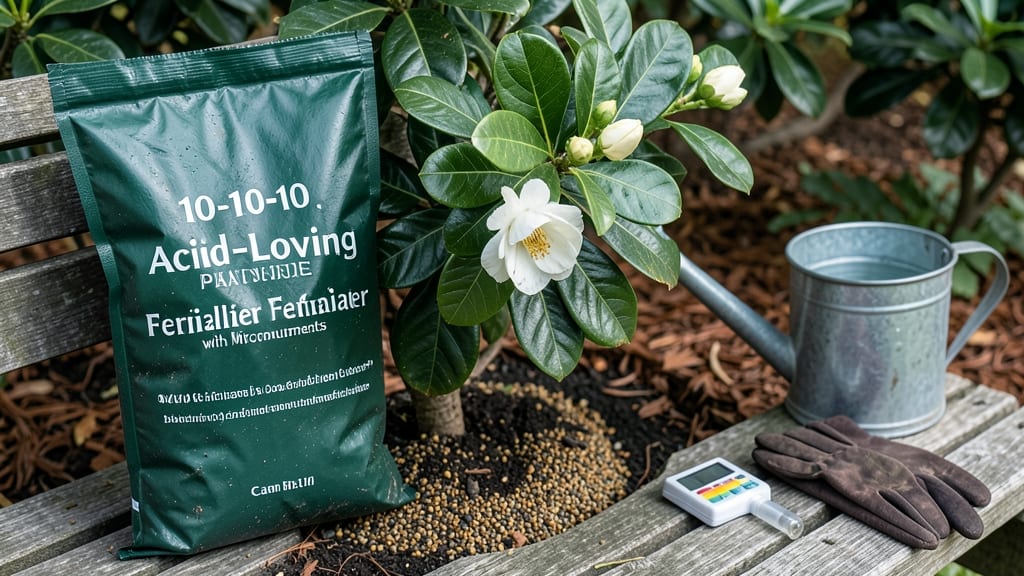
To fertilise gardenias at the right time means blooms all year, but most gardeners miss the critical window that keeps these 🌸 beauties thriving.
Struggling to keep your gardenias blooming year-round? The secret lies in a precise fertilizing schedule—timing is everything for these acid-loving beauties.
You might be feeding too early in spring, when roots are still waking up, or overdoing it in summer, which burns delicate leaves. Even the best fertilizer won’t help if you don’t match it to the plant’s natural growth cycle.
Below, I’ll break down the exact months to feed, how often, and which fertilizers work best for your climate—plus how to spot when you’re doing it wrong.
Best fertilizing schedule for gardenias: seasonal breakdown by climate
Gardenia plants thrive when you match their fertilizing schedule to your local climate. These acid-loving shrubs need precise timing to produce those fragrant blooms—too early or too late can stunt growth or even harm your plants.
In tropical climates, gardenias grow year-round, while temperate zones see seasonal dormancy. Cold climates require extra care to protect roots during winter. Let's break down the perfect schedule for each region.
For all climates, the golden rule is to fertilize when new growth appears. In spring, this signals the plant to focus on blooms rather than leaves. Summer feeding supports ongoing flowering, while fall and winter are typically rest periods.
The key difference? Tropical gardenias may need light feeding year-round, while temperate plants need a winter break. Always use an acid-loving fertilizer with a pH of 5.0-6.0 to mimic their natural soil conditions.
🌱 Pro Tip: Test your soil's pH before fertilizing. Gardenias hate alkaline soil—aim for 5.0-6.0 pH. If your soil is too high, amend it with sulfur or pine needles before applying fertilizer.
In tropical climates, gardenias grow continuously, so you'll fertilize more frequently. Start with a light feed in early spring to stimulate new growth, then switch to a full feed every 4 weeks during peak blooming season (spring to early summer).
Reduce to light feeds every 6 weeks in late summer and fall. Winter months can include monthly light feeds to maintain health without overstimulating growth.
For temperate climates, timing is critical. Wait until after the last frost to begin fertilizing—typically late April or May. Use a balanced acid fertilizer (like 8-3-9) every 4 weeks until mid-summer.
Switch to light feeds every 6 weeks in late summer, then stop completely in fall to allow the plant to harden off for winter. Never fertilize in winter unless you're in a mild microclimate.
Gardeners in cold climates (USDA zones 6-8) face the biggest challenge: protecting roots while still encouraging blooms. Wait until the soil warms in May before applying your first feed. Use a slow-release fertilizer to avoid overfeeding as the plant wakes up.
In summer, reduce feeding to every 8 weeks to prevent heat stress. Fall and winter are strictly no-feed zones—mulch heavily instead to protect roots.
Always apply fertilizer in the early morning when the soil is cool. Water thoroughly before and after to prevent root burn. If you notice yellowing leaves or burnt tips, flush the soil with water immediately—this is a sign of over-fertilization.
Gardenias are sensitive plants, and their care routine should reflect that delicate balance between feeding and rest.
One common mistake is fertilizing in fall or winter. This forces new growth that won't harden off properly, leading to winter damage. Instead, focus on mulching with pine bark or peat moss to maintain soil acidity and protect roots.
This natural mulch also slowly releases nutrients, giving your gardenias a gentle boost without the risk of overfeeding.
To maximize blooms, pair your fertilizing schedule with regular pruning after flowering. This encourages bushier growth and more blooms next season. Always use clean, sharp shears and sterilize them with rubbing alcohol between cuts.
Prune in late winter or early spring before new growth begins—this gives your gardenias the energy to focus on flowers rather than repairing damaged branches.
Remember, gardenias are acid-loving plants, so never use lime or high-pH fertilizers. If your soil tests above pH 6.0, amend it with sulfur or aluminum sulfate before fertilizing. The right pH is just as important as the timing of your feeds.
With this seasonal schedule tailored to your climate, you'll enjoy lush foliage and fragrant blooms year after year.
Signs your gardenias need fertilizer (and when to adjust your routine)
Your gardenias might be silently screaming for nutrients if their leaves turn yellow, especially between the veins—a classic sign of iron deficiency. These acid-loving shrubs thrive on consistent feeding, but over- or under-fertilizing throws off their delicate balance.
I’ve seen gardeners miss these subtle cues and end up with sparse blooms or stunted growth, even when they’re watering and pruning correctly.
Another red flag? Dark green leaves with pale new growth, which often means nitrogen overload. Or worse, dropping buds before they open—this usually points to a phosphorus shortage.
The key is adjusting your routine based on these visual clues, not just following a rigid schedule. Let’s decode what your gardenias are really telling you.
⚠️ When to Fertilize Gardenias: Critical Timing Rules
Gardenias hate winter feeding—never fertilize from November to February, even if leaves look dull. Their roots slow down in cooler months, and extra nutrients cause burn damage. Instead, focus on spring (March-May) for a bloom-boosting kickstart, then light feeds every 6-8 weeks through summer. Stop by August to prep for dormancy.
If your gardenias are producing buds but dropping them, they’re likely craving phosphorus (the "P" in NPK ratios). Switch to a 5-10-10 fertilizer for 4-6 weeks to encourage root and flower development.
I’ve had the most success with organic options like cottonseed meal, which also improves soil acidity—a must for gardenias. Pro tip: Water deeply after fertilizing to prevent root burn.
Watch for stunted new growth or small, weak leaves, which signal a general nutrient deficiency. This often happens when gardeners skip spring feeding or use the wrong fertilizer (like high-nitrogen lawn food).
For container gardenias, feed every 3-4 weeks from spring to fall, but halve the recommended dose to avoid salt buildup in potting mix.
One more clue: Brown leaf edges paired with crispy tips usually mean over-fertilization or salt buildup from synthetic fertilizers. Flush the soil with 3-4 inches of water to leach out excess salts, then switch to organic, slow-release fertilizers. I’ve revived many gardenias this way—patience is key!
Adjust your routine by testing soil pH (aim for 5.0-6.0) and matching fertilizer types to your gardenia’s needs. Tropical climates may need monthly feeding, while temperate zones should stick to spring and summer only. Always feed in early morning to prevent leaf burn from afternoon sun.
Remember: Healthy gardenias reward you with fragrant blooms and glossy leaves. If you’re seeing fewer than 10 blooms per bush, it’s time to reassess your fertilizer routine.
Start with a balanced 10-10-10 in spring, then tweak based on these signs. Your gardenias will thank you with show-stopping fragrance all season! 🌸