
Picking
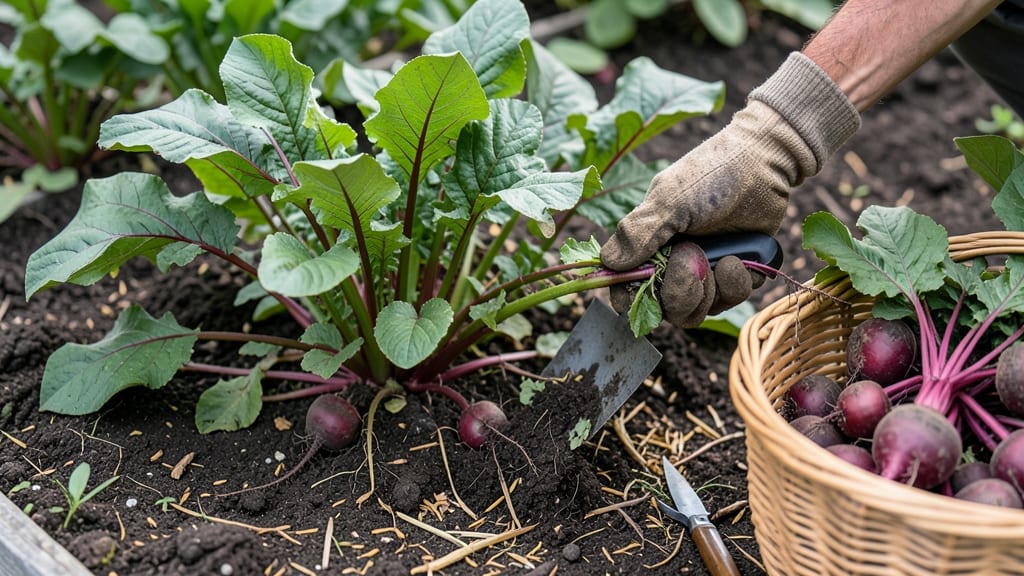
Harvesting beets from your garden at the right time ensures you get sweet, tender roots instead of tough or bitter ones, and timing depends more on size than days planted.
Picture this: you dig up a beet that’s too small—undercooked and bland—or one that’s too large, with a woody core and earthy aftertaste. The difference between these extremes comes down to knowing when the roots hit their flavor peak, which isn’t just about guessing.
Most gardeners focus on days to maturity, but the real secret is checking three simple size-based cues: root diameter, leaf height, and color depth. A beet that’s 1 to 3 inches wide with deep, vibrant hues is ready to pull, while larger ones start losing their sweetness.
Below, I’ll walk you through how to test for perfect harvest timing without risking a single bad beet.
Whether you’re growing baby beets for salads or mature roots for roasting, these methods will help you harvest at the ideal moment—so you’re left with flavor-packed rewards, not regret.
3 Size-based tests to determine perfect beet harvest timing
Harvesting beets at the right size transforms them from bland to sweet, tender delights. The key lies in understanding how root diameter and foliage development correlate with flavor and texture.
Unlike many vegetables, beets actually improve in sweetness when harvested smaller, but they also develop woodier textures if left too long. Let’s break down the three size categories every gardener should know.
First, consider baby beets—those harvested when just 1 to 1.5 inches in diameter. These are the sweetest, with a delicate texture perfect for salads or quick cooking. Their foliage typically reaches 2 to 3 inches tall, and the leaves remain tender.
The trade-off? Smaller roots mean fewer beets per plant, so plan accordingly if you’re growing for quantity.
Next, the medium-sized beets (1.5 to 2.5 inches) strike a balance. They’re ideal for roasting or pickling, offering a slightly firmer texture while retaining sweetness. Their leaves usually grow to 4 to 6 inches tall, and the roots develop a deeper, more vibrant color.
This is the most common harvest window for many gardeners, as it maximizes both yield and quality.
Large beets (2.5 to 3.5 inches or more) are best for storage or long-term cooking, like soups. Their flavor becomes earthier and less sweet, but the texture is heartier. The foliage can reach 6 to 8 inches tall, and the roots may develop slight woody spots if left too long. If you’re growing storage beets, aim for harvest just before they reach this size.
Don’t rely solely on size—leaf color and root shape are equally important. Healthy beet greens should be deep green and vibrant, not yellowing or wilted. The roots themselves should feel firm to the touch with no soft spots.
If the foliage starts to bolt or flower, it’s a sign the beet has matured past its prime, and the root may become tough or bitter.
For golden or yellow beets, the color shift from green to golden indicates ripeness. Red or purple varieties should develop a uniform, deep hue without streaks. If you’re unsure, dig up one beet to test—this is called a test harvest, and it’s a gardener’s best friend.
Cut it open to check for doneness; the flesh should be uniform in color with no green streaks near the center.
Seasonal timing also plays a role. Spring-planted beets often mature faster due to cooler temperatures, while fall-planted varieties may take longer. If your beets are growing slowly, check for adequate sunlight (6+ hours daily) and consistent moisture.
Overwatering or drought stress can stunt growth and affect flavor, so aim for 1 inch of water per week, adjusting for rain.
Pro tip: Use a gardening ruler or caliper to measure root diameter accurately. This tool helps avoid guesswork and ensures you harvest at the perfect moment. For baby beets, you might harvest every 2 weeks starting at 45 days.
For larger roots, wait until 60 to 80 days, depending on the variety and growing conditions.
Remember, the sooner you harvest, the sweeter the beet. But don’t rush—rushed harvests can leave roots underdeveloped and prone to damage. Balance speed with patience, and you’ll enjoy beets that are perfectly sized, flavorful, and ready for your favorite recipes.
How to test beet sweetness before harvesting: the finger-press method
One of the best ways to ensure your homegrown beets are packed with sweetness is by using the simple finger-press test. This hands-on method lets you check tenderness and flavor without digging up your entire crop.
I’ve found that testing just one beet per week helps me time harvests perfectly for both baby beets and mature roots.
Beets develop sweetness as they mature, but leaving them too long in the ground can turn them woody or bitter. The finger-press method reveals when roots are at their peak—firm yet tender—so you can harvest at the ideal moment.
For baby beets, aim for a 1-2 inch diameter, while mature beets should reach 2.5-3 inches for maximum sweetness.
Step-by-Step Finger-Press Test
- 1 Select a test beet: Choose a beet with healthy green leaves and a deep, vibrant color. Gently loosen the soil around it with your fingers.
- 2 Press with your thumb: Place your thumb on the beet’s topmost 1 inch and press firmly but gently. If it feels soft like a ripe avocado, it’s ready for baby beets.
- 3 Check for resistance: If the beet feels firm but yields slightly (like pressing a ripe tomato), it’s perfect for mature harvests. A hard, unyielding root needs more time in the ground.
- 4 Taste-test (optional): For a final check, slice the beet and taste a small piece. Sweetness should be prominent and balanced—not overpowering or earthy. If it’s mild or bitter, wait a few more days.
- 5 Adjust harvest timing: If most test beets pass, harvest the entire patch within 2-3 days to avoid overgrowth. For baby beets, harvest every 7-10 days once they reach the ideal size.
One common mistake I see is harvesting beets when the soil is too dry or after a heatwave. Stress from drought can make roots tough and bitter, even if they pass the finger-press test. Always water your beets deeply the day before testing for accurate results.
Avoid testing beets during extreme weather, like heavy rain or scorching heat, as these conditions can skew the results. Instead, choose a mild, overcast day for the most reliable finger-press assessment. This method has saved me from harvesting beets that were either too small or woody!
Pro tip: Use a small hand trowel to dig around the test beet’s roots before pressing. This gives you a better feel for the root’s actual size and shape without damaging the plant. If the beet pulls out easily with minimal soil resistance, it’s ready for harvest.
Once you master the finger-press method, you’ll never second-guess your beet harvest again. The key is consistency and patience—let your beets mature just enough to develop that perfect balance of sweetness and tenderness. Happy testing!