
Picking
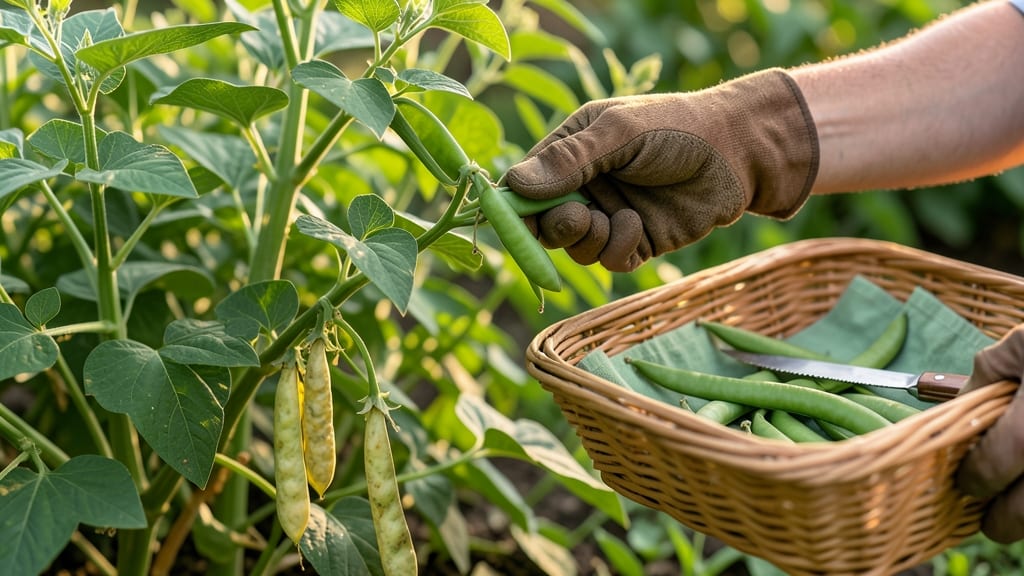
To pick beans from your garden at their sweetest, watch for pods that are 4-6 inches long and still bright green—this is when they’re packed with flavor and crispness.
Picture this: you’ve been waiting weeks for your 🌱 green beans to mature, only to pull a pod that’s tough, stringy, or worse, already turning yellow. That’s the moment you realize timing matters more than you thought.
Seasonal factors like your USDA Zone 6a climate and the specific variety (pole, bush, or wax beans) play a role, but the real game-changer is knowing the visual cues. Firm pods that snap when bent?
That’s your sign to harvest. Let them linger too long, and you’ll end up with woody, bitter beans that even a good recipe can’t save.
Below, I’ll walk you through the exact size, color, and texture clues to pick beans at peak freshness—plus how often to harvest for a continuous supply from July through September. No more guesswork, just garden-fresh perfection.
How to identify perfect green bean pod size for harvesting
Green beans reach their peak flavor and texture when harvested at the right size—typically between 4 to 6 inches in length. This window ensures pods remain crisp, tender, and sweet, avoiding the starchy, tough texture that develops when left too long on the vine.
The exact ideal size can vary slightly by variety, but this general rule applies to most pole beans, bush beans, and wax beans.
If you harvest too early, the pods will be underdeveloped and bitter, while waiting too long leads to fibrous, dry beans that lose their garden-fresh appeal.
The key is to pick beans when they’re firm to the touch and have just begun to fill out with seeds—visible but not yet bulging. This balance is what separates a disappointing harvest from a bounty of delicious pods.
For pole beans, which grow vertically on trellises, aim for pods that are 4 to 5 inches long—they tend to mature slightly faster than bush varieties. Bush beans, on the other hand, often reach their peak at 5 to 6 inches, giving them a bit more time to develop before becoming tough. Wax beans, with their yellow hue, follow similar sizing guidelines but may have a slightly shorter ideal window.
| Bean Type | Ideal Pod Length | Firmness | Seed Visibility | Harvest Time |
|---|---|---|---|---|
| Pole Beans | 4-5 inches | Firm, snaps easily | Visible but small | 60-65 days |
| Bush Beans | 5-6 inches | Firm, crisp | Visible but not bulging | 55-60 days |
| Wax Beans | 4-5 inches | Firm, slightly waxy | Visible, small seeds | 58-63 days |
| Overripe Signs | 6+ inches | Soft, fibrous | Seeds bulging | 70+ days |
Width is another subtle but important clue. A green bean pod should be about ½ to ¾ inch wide at its thickest point. If it’s wider, the beans inside are likely overdeveloped, leading to a mealy texture.
To test firmness, gently squeeze the pod—it should feel resistant, not mushy. If it gives slightly under pressure, it’s past its prime.
One of my biggest mistakes early on was waiting until the pods looked "full" before harvesting. By then, the beans had already lost their crispness and sweetness, turning into tough, stringy pods that were barely edible.
Now, I check the pods every 2-3 days and harvest as soon as they hit the 4-inch mark for pole beans or 5-inch mark for bush beans.
For snap beans, which are harvested even younger (around 3 to 4 inches), the goal is to catch them before the seeds develop at all. These varieties are prized for their ultra-crisp texture, so timing is even more critical.
If you’re growing snap beans, aim for pods that are bright green, straight, and barely showing seeds—they’ll snap cleanly when bent.
If you miss the harvest window, don’t panic. Green beans can stay on the vine for a few extra days, but their quality declines rapidly. Once pods start to yellow or brown, they’re past their prime and will develop a bitter, starchy taste.
In this case, you can still use them for cooking, but they won’t have that fresh-from-the-garden crispness you’re after.
To keep your green beans producing at peak flavor, harvest frequently and consistently. This encourages the plant to focus on producing more pods rather than letting existing ones overmature. I’ve found
Green bean color signals: when yellow or brown spots mean it’s time to harvest
Green beans send clear visual signals about their readiness to harvest, and color is one of the most important clues. While bright green pods are the classic indicator, subtle shifts to yellow or brown can mean either peak flavor or overmaturity.
Understanding these color cues helps you avoid fibrous, bitter beans and ensures your harvest stays crisp and sweet.
Not all green beans behave the same way. Flat green beans like Blue Lake or Romano often develop yellow streaks when they're ready to pick, signaling peak tenderness. Meanwhile, wax beans (like Yellow Wax) may turn a golden hue, while snap peas develop brown spots when their sugar content peaks.
Ignoring these cues can turn your fresh harvest into a tough, starchy disappointment.
🌱 When to Pick Green Beans by Color
For pole beans, watch for yellowing at the stem end—this is where the pod first matures. If you see this, check nearby pods, as they’ll likely be ready soon. Bush beans, on the other hand, often develop brown tips when they’re overdue for harvesting.
These aren’t always a sign to toss them; sometimes they’re just a few days past prime but still edible if cooked properly.
Overlooking color signals can lead to bitter, woody beans that ruin dishes. For example, Romano beans left too long on the vine develop a dull green hue and thicken dramatically. Meanwhile, snap peas (technically a bean) turn dark brown when their sugar peaks—pick them then for the sweetest pods.
Always combine color checks with a firmness test by gently squeezing the pod.
If your beans are developing yellow or brown spots but aren’t yet at ideal size, don’t panic. These could be sunburn marks from intense afternoon light, especially in USDA Zone 8+.
Provide afternoon shade or harvest sooner next time. For varieties like Kentucky Wonder, these spots often appear as the pod matures, so prioritize harvesting based on size over color alone.
Remember: Color is just one clue. Pair it with pod size (4-6 inches) and firmness for the best results. When in doubt, harvest a few pods to test—you’ll quickly learn what "ready" looks like for your specific variety.
With practice, you’ll master the art of picking beans at their sweetest, most tender stage every time. 🌿