
Picking
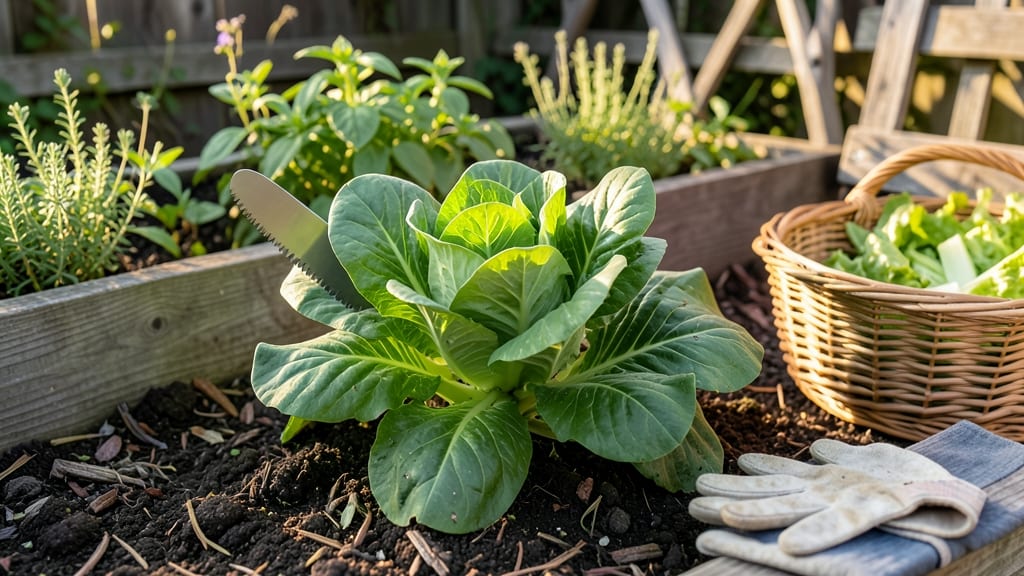
Picking lettuce from your garden at the right time means the difference between crisp, sweet bites and bitter, tough leaves that go straight to the compost.
You’ve spent weeks nurturing your 🥬, but how do you know when those outer leaves are ready? The secret lies in a simple test: a firm snap means perfect timing, while a bend signals you’re too early—or too late.
Miss this window, and you’ll end up with lettuce that tastes more like cardboard than fresh greens.
Beyond the snap test, there are other visual cues to watch for—leaf size, color depth, and even the time of day you harvest. These small details can boost your yield and keep your salads tasting like summer all season long.
In this guide, I’ll walk you through the foolproof way to test your lettuce, avoid common harvesting mistakes, and keep your garden producing crisp, flavorful greens week after week.
How to use the leaf snap test for perfect lettuce harvest timing
Timing your lettuce harvest is an art that balances crispness with flavor. The leaf snap test is my go-to method to determine when lettuce reaches peak freshness. Unlike guessing by size or days, this tactile test tells you exactly when to harvest for the best texture and taste.
Whether you're growing loose-leaf varieties like Buttercrunch or head lettuce like Iceberg, this technique works for all types.
Start by selecting the outermost mature leaves—these are the first ready for harvest. Gently grasp a leaf near its base and apply light pressure with your thumb and forefinger. The snap test measures resistance: if the leaf snaps cleanly with a slight crack, it's ready.
If it bends without breaking, wait 1-2 days. This method prevents over-maturity, which turns lettuce bitter and tough.
Step-by-Step Leaf Snap Test
- 1 Select a mature leaf: Choose the largest outer leaf of your lettuce plant.
- 2 Grasp near the base: Pinch the leaf 1-2 inches from the stem using your thumb and forefinger.
- 3 Apply gentle pressure: Squeeze lightly but firmly—enough to feel resistance but not crush the leaf.
-
4
Assess the snap:
- ✅ Clean snap = Ready to harvest
- 🔄 Bends without snapping = Wait 1-2 days
- ❌ Mushy or breaks easily = Overripe or stressed
-
5
Harvest correctly:
- 🥬 Loose-leaf: Snip or twist individual leaves
- 🥬 Head lettuce: Cut the entire head 1 inch above the base
For loose-leaf lettuce, you can harvest leaves as soon as they pass the snap test—this encourages continuous regrowth. Aim for leaves that are 4-6 inches long and fully unfurled.
Head lettuce, like Romaine or Iceberg, should be harvested when the entire head feels firm and the leaves are tightly packed. If the head starts to loosen or the outer leaves yellow, you've waited too long.
Time of day matters too. Always harvest lettuce in the early morning when temperatures are cool and leaves are most crisp. Avoid harvesting during hot afternoons or humid evenings, as this can stress the plant and reduce quality.
Store harvested lettuce in the fridge with a damp paper towel to maintain crispness for up to 5 days.
One common mistake is testing leaves that are too young or stressed. If your lettuce is growing in hot weather or drought conditions, the snap test may give false results.
In these cases, prioritize leaf color and size over the snap—healthy lettuce should have deep green or red hues and no wilting. Always water consistently to keep soil moist but not soggy for accurate test results.
Pro tip: Test multiple leaves on different parts of the plant. Lettuce can mature unevenly, especially in partial shade. If some leaves snap while others don't, harvest the ready ones first and give the plant a few more days to mature the rest.
This staggered approach maximizes your yield without sacrificing quality.
Remember, the leaf snap test is about texture and flavor, not just size. A lettuce that passes the test will have crisp edges and a sweet, mild taste. If you harvest too early, you'll get small, underdeveloped leaves.
If you wait too long, the leaves become bitter, tough, and stringy. Mastering this test ensures you always enjoy lettuce at its best—whether you're serving it in salads or cooking it lightly.
🥬
Other key signs your lettuce is ready for harvest (beyond the snap test)
While the leaf snap test is my go-to method, I’ve learned to trust other visual and environmental cues too. For example, leaf color shifts dramatically as lettuce matures—deepening from pale green to rich emerald or burgundy hues, depending on the variety.
This color change signals peak nutrient concentration and sweetness.
Another reliable indicator is leaf size. Most leaf lettuce varieties reach harvest readiness when outer leaves span 4-6 inches wide, while head lettuce forms tight, compact rosettes about 3-5 inches in diameter. I always measure the largest leaves to gauge overall maturity.
Don’t overlook weather conditions—lettuce thrives in cool temperatures between 55-75°F. If your region experiences sudden heatwaves above 80°F, harvest immediately to avoid bitterness and bolting. I’ve learned to watch the forecast and pick lettuce 2-3 days before extreme heat arrives.
For cut-and-come-again varieties, I harvest outer leaves first when they reach 3-4 inches, leaving the inner leaves to regrow. This method extends your harvest by 3-4 weeks compared to picking entire heads. Always use clean, sharp scissors to avoid crushing tender stems.
One final trick: taste test a small leaf. Mature lettuce should have a sweet, crisp flavor with no bitter aftertaste. If you detect bitterness, it’s a sign the plant is bolting or stressed—time to harvest immediately before quality declines.