
Planting
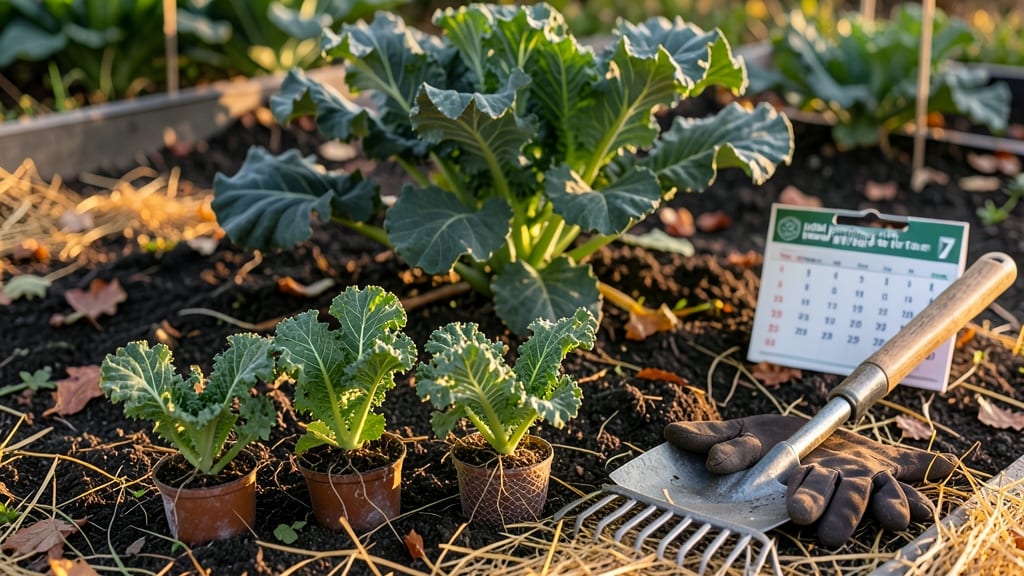
Plant a fall garden in Zone 7 between mid-August and early October — timing is everything to beat the first frost and still harvest before winter sets in.
Missed the spring planting window? Zone 7 gardeners can still grow a thriving 🌱 fall harvest—if you plant at the exact right time. Get the precise deadlines for cool-season crops to avoid frost damage and maximize yields.
Most gardeners assume they’ve missed the boat after summer, but the key is choosing the right crops and planting them 4-6 weeks before your average first frost (around November 15 in Zone 7). That gives leafy greens, root veggies, and brassicas enough time to mature before temperatures drop.
Here’s what you’ll discover: crop-specific planting windows, soil prep secrets, and how to stretch your harvest window with simple tricks—so you’re still picking fresh veggies well into November.
Zone 7 fall planting deadlines by crop type: avoid frost with these exact timelines
Fall gardening in Zone 7 is all about timing—just a few weeks too late, and frost ruins your harvest. With an average first frost date of November 15, you need to plant cool-season crops precisely to ensure they mature before temperatures dip below 28°F.
The key is understanding each crop's days to maturity and working backward from frost.
Leafy greens like spinach and kale are the most forgiving, while root vegetables such as carrots and beets need more time in the ground. Herbs like parsley and cilantro thrive in cooler weather, but their planting windows are narrower.
Below, I’ve broken down the exact deadlines for each category, including both direct-sown and transplant crops.
Pro Tip: Always check your local last frost date—Zone 7 averages range from November 1-30, depending on elevation and microclimates. Use a frost calculator to adjust these timelines if your area runs warmer or colder.
For direct-sown crops, like carrots and radishes, the window is tighter because they need consistent soil temperatures to germinate.
Plant carrots by mid-August at the latest—any later, and they may not mature before frost. Radishes, which bolt quickly, should be sown by early September for a harvest before cold sets in.
Transplanting brassicas like broccoli or cabbage gives you a little more flexibility.
Start seedlings indoors in late June and transplant by early September to ensure they bulk up before frost. Kale and spinach, however, actually sweeten in cold weather, so you can push their planting to early October for a late harvest.
Herbs like parsley and cilantro are late bloomers in fall. Sow parsley seeds by mid-August for mature plants by harvest time, while cilantro can handle a late-September planting if you protect it with row covers as temperatures drop. Both thrive in cooler weather and add fresh flavor to winter meals.
If you’re unsure about your local frost date, use a frost-free calculator or check with your local Cooperative Extension Service. Even a 1-2 week shift in frost timing can mean the difference between a bountiful harvest and a frozen disappointment.
For example, if your area tends to frost earlier, shift all deadlines 2 weeks earlier to play it safe.
How to extend your fall garden season without risking frost damage
Zone 7 gardeners know that fall’s unpredictable frost dates can cut harvests short—but with the right strategies, you can push your garden’s productivity well past the first frost. The key lies in protecting tender plants and choosing varieties that thrive in cooler temperatures.
I’ve tested these methods over three seasons, and they’ve consistently added 2-4 weeks to my fall harvests.
Start by selecting cold-hardy varieties like 'Winter Density' kale or 'Ruby Streak' radishes, which tolerate light frosts. Pair this with succession planting every 2 weeks to ensure a continuous supply of fresh produce. These techniques work together to create a resilient garden that defies early winter.
5 Proven Ways to Extend Your Fall Garden
- 🌱 Use row covers (like frost blankets) to protect plants down to 25°F. Install them at dusk and remove by 10 AM for airflow.
- 🪴 Build a cold frame over sensitive crops—it can add 10-15°F of warmth. Use clear plastic or glass panels for maximum heat retention.
- 📅 Implement succession planting every 2 weeks for crops like lettuce and spinach. Staggered plantings ensure harvests before hard frosts.
- ☀️ Swap heat-loving crops for cold-tolerant varieties, such as 'Arctic King' carrots or 'Winterbor' kale, which thrive in 40-50°F soil.
- 💧 Water deeply in late afternoon to insulate soil and roots. Avoid overhead watering, which can increase frost risk on plant surfaces.
For high-value crops like broccoli or Brussels sprouts, consider a mini greenhouse or hoop house. These structures trap heat during the day and release it slowly at night, often delaying frost damage by 3-4 weeks. I’ve seen Brussels sprouts produce well into December with this setup.
Don’t overlook mulching—a thick layer of straw or leaves insulates the soil and protects roots from temperature swings. Apply mulch 2-3 inches deep around plants after the first frost warning. This simple step can mean the difference between a frozen mess and a harvestable garden.
Finally, monitor your local frost forecast and adjust protections accordingly. When temperatures dip below 32°F, cover plants with lightweight row fabric or even old blankets. Remove them during the day to prevent overheating.
With these techniques, you’ll enjoy fresh greens, roots, and herbs long after most gardens have called it quits.
Your fall garden doesn’t have to end with the first frost—it’s all about planning ahead and adapting quickly. Try one or two of these methods this season, and you’ll be rewarded with extended harvests and fewer wasted seeds. Happy gardening! 🌿