
Planting
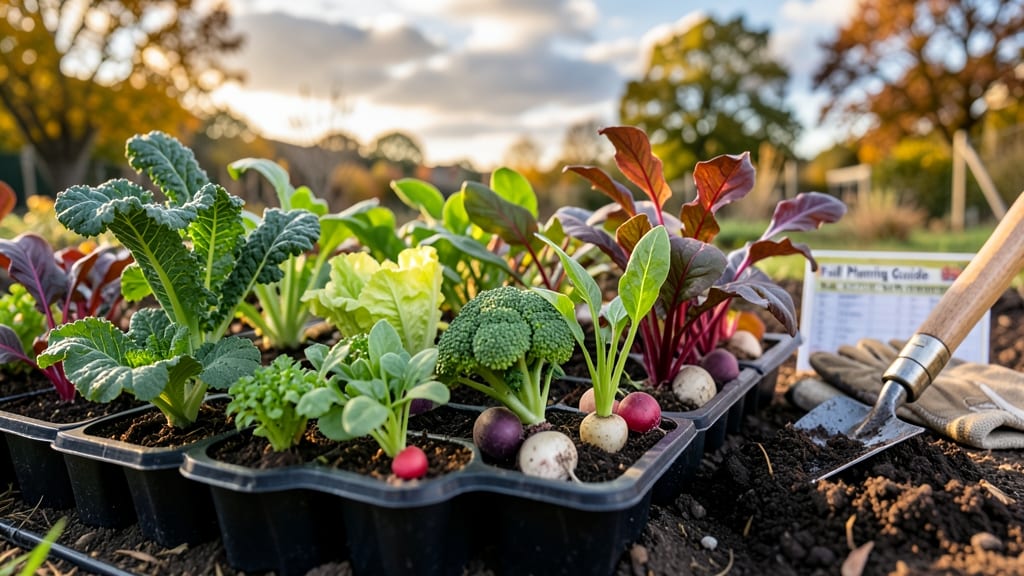
Planting a fall garden in Zone 7 about 4 to 6 weeks before your first frost is the secret to a harvest that lasts through crisp autumn days.
Zone 7 gardeners know the difference between a thriving fall harvest and a frost-killed disappointment comes down to timing—plant too early, and your crops bolt; too late, and they never mature. Here’s your precise planting schedule to maximize yield before the first frost.
With the right timing, you can stretch your growing season well into December, enjoying homegrown greens, root vegetables, and even late tomatoes. The key? Understanding your local frost dates and choosing crops that thrive in cooler weather.
Below, I break down the exact weeks before frost to plant each crop, how to prep your soil for fast growth, and the fastest-growing varieties that give you the most harvest in the shortest time.
Exact weeks before first frost to plant fall vegetables in Zone 7
Understanding the exact weeks before first frost is critical for Zone 7 gardeners. The average first frost date ranges from November 1-15, but this varies by location—Richmond typically sees frost by November 10, while Nashville holds off until November 15.
Planning your fall vegetable planting around these dates ensures your crops mature before cold snaps strike.
For cool-season vegetables, aim to plant 6-8 weeks before frost. This gives most varieties enough time to reach maturity. For example, spinach and kale thrive when sown 7-8 weeks before frost, while broccoli and cauliflower need 6-7 weeks.
Heat-loving crops like tomatoes and peppers should be planted 8-10 weeks before frost to avoid bolting.
Here’s your Zone 7 fall planting timeline broken down by crop type, including regional adjustments for Richmond, Raleigh, and Nashville:
| Crop Type | Weeks Before Frost | Richmond (Nov 10) | Raleigh (Nov 5) | Nashville (Nov 15) | Notes |
|---|---|---|---|---|---|
| Cool-Season Leafy Greens | 6-8 | Early Aug - Mid-Sept | Late July - Early Sept | Mid-Aug - Late Sept | Spinach, kale, lettuce |
| Brassicas | 6-7 | Early Aug - Early Sept | Late July - Late Aug | Mid-Aug - Mid-Sept | Broccoli, cauliflower, cabbage |
| Root Vegetables | 8-10 | Late July - Early Aug | Mid-July - Late July | Early Aug - Mid-Aug | Carrots, beets, radishes |
| Heat-Loving Crops | 8-10 | Late July - Early Aug | Mid-July - Late July | Early Aug - Mid-Aug | Tomatoes, peppers, eggplant |
| Frost-Tolerant Greens | 4-6 | Mid-Sept - Early Oct | Late Aug - Mid-Sept | Early Sept - Late Sept | Spinach, arugula, Swiss chard |
If you’re in a warmer microclimate, like a south-facing bed, you can push planting dates 1-2 weeks later. Conversely, higher elevations or shaded areas may require earlier planting.
Always check your local frost date averages and adjust accordingly—late frosts in Zone 7 can occur as late as November 25.
For succession planting, sow fast-growing crops like radishes and lettuce every 2 weeks until 6 weeks before frost. This ensures a continuous harvest and minimizes wasted space. Use row covers to extend the season by 2-4 weeks, protecting crops like kale and carrots from light frosts.
Soil temperature is another critical factor. Most cool-season crops thrive in soil temps between 45-75°F.
Test your soil with a thermometer—if it’s above 80°F, wait a few weeks before planting heat-sensitive greens. Peppers and tomatoes, however, prefer soil temps above 70°F and should be planted as early as possible in the season.
Don’t forget to harden off seedlings before transplanting. Gradually expose them to outdoor conditions over 7-10 days to reduce shock. This is especially important for fall transplants, which face cooler nights and shorter days. A well-hardened plant will establish faster and recover better from temperature fluctuations.
For last-minute adjustments, monitor your local weather forecasts and be ready to cover crops with lightweight row fabric if frost is predicted. Even frost-tolerant greens like Swiss chard can suffer damage from prolonged cold.
A cold frame or hoop tunnel can add 4-6 extra weeks of growing time for slow-maturing crops like broccoli.
By following this Zone 7 fall planting schedule, you’ll avoid the common mistakes of
Best fast-growing fall crops for Zone 7 and their ideal planting windows
If you're a Zone 7 gardener, your fall harvest depends on choosing the right fast-growing crops and planting them at the perfect time. The key is balancing harvest speed with frost tolerance—some crops like radishes mature in just 25 days, while others need 70+ days to reach peak flavor.
Let’s break down the top 10 crops ranked by speed, plus their ideal planting windows to avoid bolting or frost damage.
For Zone 7, your first frost date typically arrives around November 15, but this varies by location. Use these weeks-to-plant guidelines to ensure your crops mature before winter sets in.
For example, if you’re in Raleigh, you might have a few extra days, while Nashville could face frost earlier. Always adjust for your local microclimate.
Here’s the numbered highlights breakdown of the fastest fall crops and their planting windows:
- 1 Radishes (25-30 days) – Plant 8-10 weeks before frost (early August). Ideal for succession planting every 2 weeks.
- 2 Spinach (30-40 days) – Start 6-8 weeks before frost (mid-September). Thrives in cool weather and can tolerate light frost.
- 3 Lettuce (30-50 days) – Plant 7-9 weeks before frost (late August). Use row covers to extend harvest into October.
- 4 Kale (40-50 days) – Sow 5-7 weeks before frost (early September). Sweeter after light frost—harvest leaves as needed.
- 5 Turnips (40-60 days) – Plant 6-8 weeks before frost (late August). Both roots and greens are edible.
- 6 Arugula (30-40 days) – Sow 7-9 weeks before frost (late August). Peppery flavor intensifies in cool weather.
- 7 Green Onions (50-60 days) – Plant 6-8 weeks before frost (late August). Cut-and-come-again harvests extend yield.
- 8 Bush Beans (50-60 days) – Sow 10-12 weeks before frost (early August). Stop planting by mid-September to avoid heat stress.
- 9 Carrots (60-70 days) – Start 10-12 weeks before frost (early August). Use loose