
Planting
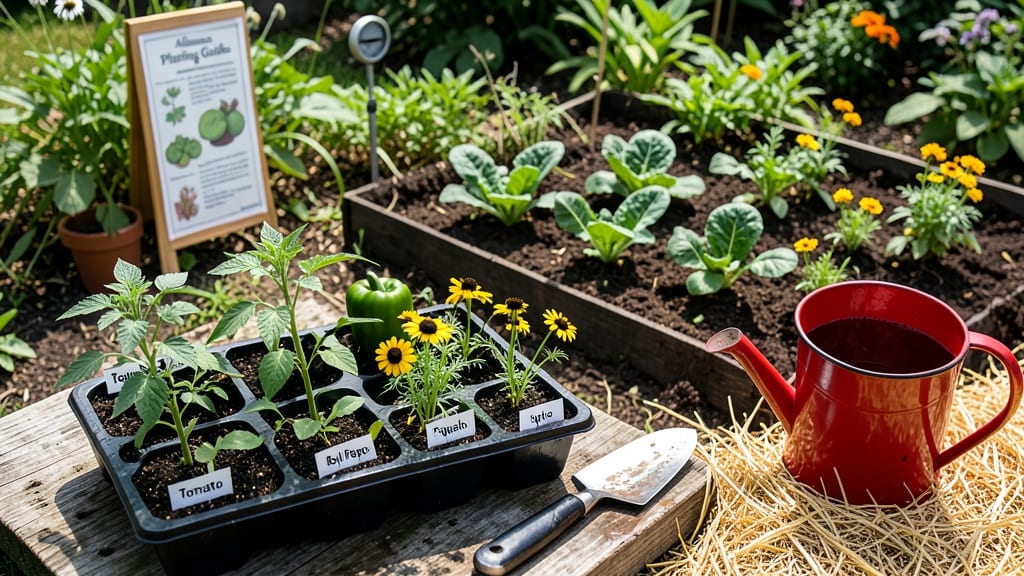
Planting your garden in Alabama at the right time means the difference between a lush harvest and wilting disappointment—because the heat arrives fast, and the growing season is long.
If you’ve ever watched your seedlings bolt under Alabama’s unforgiving sun or struggled to time a fall crop before the first frost, you know timing isn’t just a suggestion—it’s the key to success.
Whether you’re in North Alabama’s cooler hills or South Alabama’s steamy lowlands, the rules change, and missing the window can mean lost yields.
This guide cuts through the guesswork with zone-specific planting windows for everything from heat-loving tomatoes to cool-season greens, plus tricks to stretch your season when the thermometer climbs. No more second-guessing—just data-driven dates to plant, grow, and thrive.
You’ll learn how to read Alabama’s microclimates, avoid common mistakes like overplanting too early, and use simple tools to protect your garden when the summer heat hits. Ready to turn your plot into a year-round powerhouse?
Alabama planting zones & heat tolerance: best months by crop type
Alabama’s USDA Planting Zones 7b and 8a create a unique gardening challenge—balancing long summers with mild winters. North Alabama (Zone 7b) typically has last frost dates around mid-April, while South Alabama (Zone 8a) enjoys frost-free growing seasons year-round in many areas.
Understanding these heat tolerance differences is key to avoiding bolting lettuce or stunted tomatoes.
Your planting strategy should align with crop heat needs. Cool-season crops like broccoli and spinach thrive in spring and fall, while heat-lovers such as peppers and okra demand summer’s intense sun.
The secret? Staggered planting—sow cool crops early and late, and heat crops in waves for continuous harvests.
For Zone 7b gardeners, focus on early spring (February-March) for cool crops and late summer (August-September) for fall harvests. Soil temperature is critical—wait until it reaches 60°F+ for tomatoes and peppers. Use a soil thermometer to avoid stunted growth from cold soil.
In Zone 8a, you can push boundaries further. Cool crops like kale and cabbage can grow year-round with light row covers in winter. Meanwhile, summer squash and cucumbers thrive in the heat but need consistent watering to prevent bitter fruit.
Test your soil’s pH level—most Alabama soils lean acidic (5.5-6.5), ideal for tomatoes but too low for blueberries.
Pro tip: Use shade cloth (30-50%) for heat-sensitive greens during Alabama’s scorching July-August months. This extends their growing season by 4-6 weeks without bolting. Pair it with drip irrigation to keep roots cool and moist.
Don’t forget succession planting—sow bush beans every 2 weeks from April to July for continuous harvests. In Zone 8a, you can even plant winter radishes in November for January harvests. The key is matching plant maturity with your local first frost dates (typically mid-November in Zone 7b).
For perennials, Alabama’s climate favors native plants like blackberries and fig trees, which handle heat and humidity. Plant them in early spring (March-April) to establish roots before summer’s peak. Mulch heavily to retain moisture and regulate soil temperature.
Remember: Alabama’s humidity (often 70-90%) affects germination. Soak seeds 24 hours before planting to
How to extend your Alabama growing season: cooling tricks for summer heat
Alabama’s summer heat can turn your garden into a sauna if you don’t act fast. With temperatures often soaring above 90°F (32°C), even heat-loving plants like tomatoes and peppers can struggle.
The key to success? Strategic cooling techniques that protect your plants without sacrificing growth. I’ve tested these methods in my own Zone 8a garden—here’s what actually works.
First, focus on shade solutions like 30-50% shade cloth, which blocks harmful UV rays while allowing light to filter through. Pair this with mulching to keep soil temperatures down—organic mulch like straw or wood chips can reduce soil heat by 10-15°F (5-8°C).
For containers, elevate them with brick feet to prevent roots from baking in the sun.
Here’s how to implement these cooling tricks step by step:
- 1 Shade Cloth Magic: Install 30-50% shade cloth over heat-sensitive crops like lettuce or basil. Use hoop frames for easy setup and removal.
- 2 Mulch Like a Pro: Apply 3-4 inches of mulch (straw, pine straw, or wood chips) to retain moisture and block soil heat. Replenish every 4-6 weeks.
- 3 Drip Irrigation Hacks: Water early morning (5-7 AM) to reduce evaporation. Use soaker hoses for deep, slow watering that cools roots without wetting foliage.
- 4 Heat-Tolerant Varieties: Swap out sensitive plants for Alabama-adapted seeds like ‘Celebrity’ tomatoes, ‘Jalapeño M’ peppers, or ‘Black Seeded Simpson’ lettuce. These thrive in 90°F+ (32°C+) heat.
- 5 Emergency Cooling: During heatwaves (100°F/38°C+), drape wet burlap sacks over plants or mist leaves with water. Do this late afternoon to avoid fungal risks.
Don’t forget about succession planting—this is your secret weapon for continuous harvests. Instead of planting all your okra or sweet potatoes at once, stagger seeds every 2-3 weeks from May through July. This ensures you always have fresh produce, even when temperatures peak.
For my Zone 8a garden, I also use a low-tech trick: I plant heat-sensitive crops like spinach or radishes in the shade of taller plants (like corn or sunflowers) during the hottest months.
This creates a natural microclimate that keeps roots cool while still allowing light to reach the leaves.
Pro tip: Monitor your garden’s soil temperature with a cheap digital thermometer. Ideal ranges are 60-75°F (15-24°C) for most vegetables—any hotter, and you’ll need to intervene with cooling methods. With these tricks, you can keep your Alabama garden thriving even when the mercury rises.