
Planting
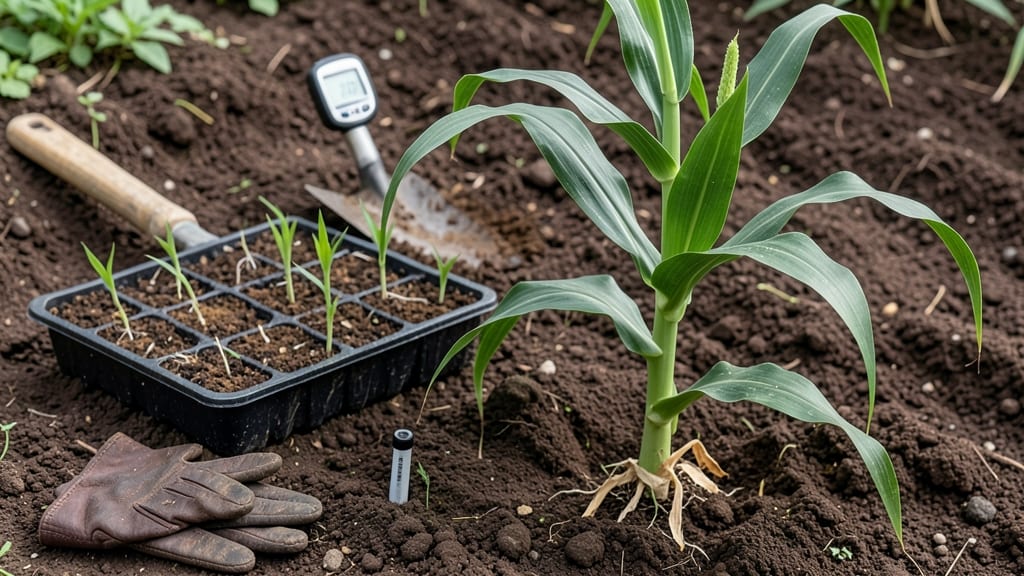
Planting a garden in Iowa after the last frost—typically around April 15—sets the stage for a thriving harvest, but timing is everything.
Iowa’s unpredictable frost dates can make or break your garden—plant too early, and you risk losing tender seedlings to late frosts; too late, and you’ll miss peak harvests. Get the exact frost-free timeline for your Iowa zone to maximize your garden’s potential.
For General Garden Vegetables 🌱, like tomatoes and beans, wait until the soil warms to at least 50°F and nighttime temperatures stay above 50°F. In USDA Zones 5a-5b, this usually aligns with mid-April to early May, but always check local forecasts.
Below, I’ll break down the best planting schedule by crop, share tips for adjusting to Iowa’s fickle weather, and help you avoid common mistakes that waste time and resources.
Iowa’s frost-free dates by Zone: when to start planting cool vs warm season crops
Iowa’s USDA Hardiness Zones 4-5 create distinct planting windows for your garden. Northern Iowa (Zone 4) typically experiences its last spring frost around May 1-15, while southern Iowa (Zone 5) sees frost-free conditions by April 15-May 1.
These dates separate cool-season crops (like spinach and peas) from warm-season crops (tomatoes and peppers), which need consistent warmth to thrive.
Historical frost data from Iowa State University shows that northern Iowa has a 160-170 day frost-free season, while southern Iowa enjoys 170-180 days. This difference impacts when you should start seeds indoors or transplant seedlings.
For example, peppers need 80+ days to mature, so you’ll need to begin them indoors 6-8 weeks before your last frost—earlier in Zone 4 than Zone 5.
Here’s a quick reference for your zone, including cool-season crops that tolerate light frosts and warm-season crops that need consistent warmth:
For cool-season crops, start planting as soon as the soil is workable—typically 2-4 weeks before your last frost.
These crops thrive in cooler temperatures (40-75°F) and can even handle light frosts. Spinach and peas are excellent choices for early spring, while lettuce and kale can be planted in both spring and fall.
In Zone 4, aim to plant by April 1 for a spring harvest, while Zone 5 gardeners can start as early as March 15.
Warm-season crops like tomatoes, peppers, and cucumbers require consistent soil temperatures above 60°F and should only be planted after your last frost date. In Zone 4, wait until May 15 or later, while Zone 5 can start as early as April 30. To speed up soil warming, use black plastic mulch or plant in south-facing beds that absorb more sunlight.
If you’re unsure whether your area has warmed enough, use a soil thermometer—most warm-season crops need soil temps of at least 60°F. For tomatoes and peppers, which are sensitive to cold, consider starting seeds indoors 6-8 weeks before your last frost to give them a head start.
In Zone 4, this means beginning seeds by March 15, while Zone 5 can start slightly later, around March 20.
Pro tip: Use row covers or cloches to protect tender seedlings from unexpected late frosts. These can extend your planting window by 2-3 weeks in both zones.
For example, you might plant cucumbers under row covers on May 1 in Zone 4 and still get a good harvest before the first frost in October.
Don’t forget about succession planting for continuous harvests. For cool-season crops like lettuce or radishes, make successive plantings every 2-3 weeks until June 1 in Zone 4 or June 15 in Zone 5.
For warm-season crops, plant beans or zucchini every 2 weeks until July 1 to keep the harvest going all summer.
Keep an eye on Iowa State University’s frost predictions for real-time updates, as weather patterns can shift. For example, the 2022 growing season saw late frosts in early May across northern Iowa, delaying planting for many gardeners.
By planning ahead and knowing your zone’s typical frost dates, you’ll be ready to adapt and make the most of your garden’s potential.
🌱
Best planting schedule for Iowa’s top 10 vegetables: exact weeks before/after frost
Iowa’s growing season is short but sweet—timing your vegetable planting correctly means the difference between a bountiful harvest and wasted effort. With USDA Zones 4-5, frost can linger until mid-April in northern Iowa or arrive as early as mid-October.
To beat the clock, I’ve mapped out the exact weeks before/after frost for Iowa’s top 10 vegetables, including succession planting tips to stretch your harvest.
Whether you’re a beginner gardener or a seasoned pro, this schedule accounts for Iowa’s cool springs and hot summers. I’ll also share my top tricks for soil warming and frost protection to give your plants the best head start.
Let’s dive into the week-by-week planting plan that’ll keep your garden thriving from spring to fall.
📅 Iowa’s Top 10 Vegetables: Planting Timeline
- 🌱 Lettuce & Spinach: 6-8 weeks before last frost (sow indoors March 1-15; transplant April 1-15). Succession plant every 2 weeks for continuous harvest.
- 🥕 Carrots & Radishes: 4-6 weeks before last frost (direct sow March 15-April 1). Thin seedlings to 2 inches apart for optimal growth.
- 🌽 Sweet Corn: 2 weeks after last frost (plant May 1-15). For best pollination, plant in blocks, not rows.
- 🌶 Tomatoes & Peppers: 6-8 weeks before last frost (start indoors March 15-April 1; transplant May 15-30). Use black plastic mulch to warm soil.
- 🥔 Potatoes: 2-3 weeks before last frost (plant April 15-May 1). Hill soil around stems as they grow for higher yields.
- 🌿 Green Beans: 1-2 weeks after last frost (plant May 1-15). Choose bush or pole varieties based on space.
- 🥬 Cucumbers & Zucchini: 2-3 weeks after last frost (plant May 15-30). Train vines on trellises to save space.
- 🍅 Onions & Garlic: 4-6 weeks before last frost (plant March 1-April 1). Harvest green onions in 6-8 weeks; mature bulbs in 90-120 days.
- 🥬 Broccoli & Cabbage: 6-8 weeks before last frost (start indoors March 15-April 1; transplant April 15-May 1). Fertilize with high-nitrogen feed for leafy growth.
- 🌻 Sunflowers: 2-3 weeks after last frost (plant May 1-15). Choose dwarf varieties for containers or giant types for cut flowers.
For northern Iowa (Zone 4), adjust planting dates 1-2 weeks later to account for later frosts. In southern Iowa (Zone 5), you can push early plantings 1 week earlier if your soil warms quickly.
My go-to trick? Use a soil thermometer—wait until the soil hits 50°F for cool-season crops or 60°F for warm-season plants.
Don’t forget succession planting! Crops like lettuce, radishes, and beans thrive with staggered plantings. For example, sow radishes every 2 weeks from April to July for a steady supply.
And if a late frost threatens, row covers are your best friend—throw one over tender seedlings to protect them from 28°F temperatures.
Pro tip: Mark your calendar for July 15—this is when I start planning my fall crops like kale and Brussels sprouts. These cool-season favorites can handle light frosts and even taste sweeter after a frost!
With this schedule, you’ll enjoy fresh homegrown veggies from June through October—no grocery store needed.