
Planting
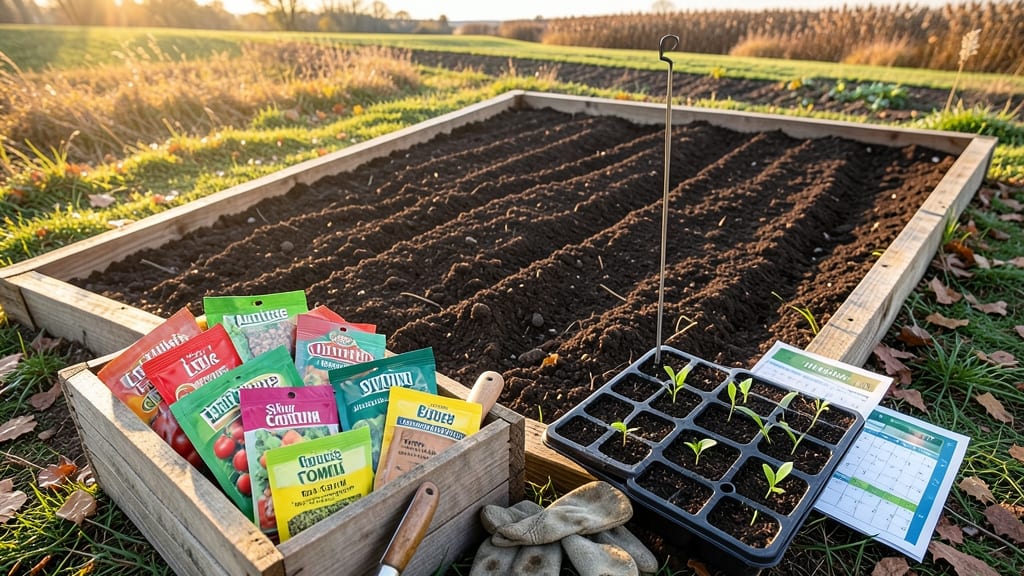
Planting a vegetable garden in Iowa at the right time means the difference between a thriving harvest and a sad pile of frost-nipped seedlings.
Iowa’s unpredictable frost dates can turn a thriving vegetable garden 🌱 into a frozen disappointment—or transform your harvest into a bountiful success. Timing your plantings correctly means the difference between wilted seedlings and flourishing crops.
Cool-season vegetables like peas and spinach can handle Iowa’s chilly springs, while warm-season crops like tomatoes and peppers need to wait until after the last frost—usually late April to early May in most of the state.
But even then, a late frost can sneak in, especially in northern zones like 5a.
Below, I’ll break down the exact frost dates by region, the best planting windows for your favorite crops, and how to stretch the growing season with simple tricks. No more guessing—just a clear, actionable schedule tailored for Iowa gardeners.
Iowa frost dates by region: critical planting windows for vegetables
Iowa’s USDA hardiness zones 5a and 5b create a unique challenge for gardeners, with last spring frost dates ranging from late April to early May and first fall frosts arriving as early as mid-September.
These dates vary dramatically across regions—Sioux City (zone 5a) often faces frost 2-3 weeks earlier than Des Moines (zone 5b). Understanding these regional differences is key to avoiding frost damage and maximizing your harvest.
For cool-season vegetables like peas, lettuce, and spinach, timing is everything. These crops thrive in cooler temperatures and can often tolerate light frosts. In contrast, warm-season vegetables such as tomatoes, peppers, and cucumbers need consistent warmth and will bolt or fail if planted too early.
Knowing your local frost dates helps you plan seed starting indoors and transplanting schedules with precision.
Here’s a region-by-region breakdown of Iowa’s frost dates, along with critical planting windows for both cool-season and warm-season crops. Use this as your guide to avoid the heartbreak of frost-nipped seedlings and ensure a bountiful harvest.
In Northern Iowa, where frosts linger longer, start cool-season crops as early as mid-March under row covers. By late April, the soil is warm enough for hardy vegetables like kale and carrots.
Meanwhile, warm-season plants should wait until mid-May to avoid frost damage. Southern Iowa gardeners enjoy a slightly longer growing season, with earlier last frosts in spring and later first frosts in fall, allowing for extended harvests.
For warm-season vegetables, always wait until after the last frost and soil temperatures reach at least 60°F. In Central Iowa, this typically means early May for tomatoes and peppers.
If you’re eager to get a head start, consider starting seeds indoors in late March and transplanting after Memorial Day to ensure they’re established before unpredictable late frosts strike.
In Southern Iowa, where the growing season is 10-14 days longer, you can push the envelope further. Try early plantings of tomatoes in late April under frost cloth or in a greenhouse.
Similarly, fall plantings of cool-season crops like spinach and radishes can extend your harvest well into November if seeded by mid-August. This region’s later frost dates make it ideal for succession planting and double cropping.
If you’re in Sioux City or Western Iowa, your shorter growing season demands extra planning. Focus on fast-maturing varieties of warm-season crops, such as bush beans or determinate tomatoes, which can be harvested before the first fall frost. For cool-season crops, prioritize cold-hardy varieties like Sw
Best vegetables to plant in Iowa: month-by-month planting schedule
Iowa’s growing season is short but productive, and choosing the right planting windows for your vegetable garden ensures a bountiful harvest. Cool-season crops like peas and spinach thrive in early spring, while tomatoes and peppers need warmer soil.
Timing is everything—plant too early, and frost will kill your seedlings; too late, and you’ll miss peak harvests.
To maximize your garden’s potential, I’ve created a month-by-month schedule tailored to Iowa’s climate. This guide covers 15+ top vegetables, including cold-hardy varieties for early starts and heat-loving crops for late-season success.
Whether you’re a beginner or a seasoned gardener, these planting tips will help you plan like a pro.
- 1 March: Start cool-season crops like peas, spinach, and lettuce. Use row covers to protect seedlings from late frosts.
- 2 April: Plant onions, carrots, and radishes. Transplant broccoli and cabbage seedlings once soil warms to 50°F.
- 3 May: Warm-season tomatoes, peppers, and cucumbers go in after the last frost (mid-May). Use black plastic mulch to warm soil faster.
- 4 June: Succession plant beans, zucchini, and summer squash. Start fall crops like kale and Brussels sprouts indoors for late-season harvests.
- 5 July: Plant late-season corn and sweet potatoes. Begin fall broccoli and cabbage transplants for August harvests.
- 6 August: Direct-sow spinach, peas, and lettuce for fall harvests. Protect with row covers to extend the season.
- 7 September: Plant garlic and hardy greens like Swiss chard. Harvest warm-season crops before first frost (mid-October).
For extended harvests, try succession planting—sow seeds every 2-3 weeks for crops like lettuce, beans, and carrots. This keeps your garden productive from spring to fall. Cold-hardy varieties like kale and Brussels sprouts even sweeten after frost, making them perfect for late-season planting.
Pro tip: Use Iowa’s frost dates as your guide. Most regions have a last spring frost around May 10-20 and a first fall frost by October 10-20. Adjust your schedule based on your USDA zone (5a-5b) and microclimate. Happy planting!
🌱