
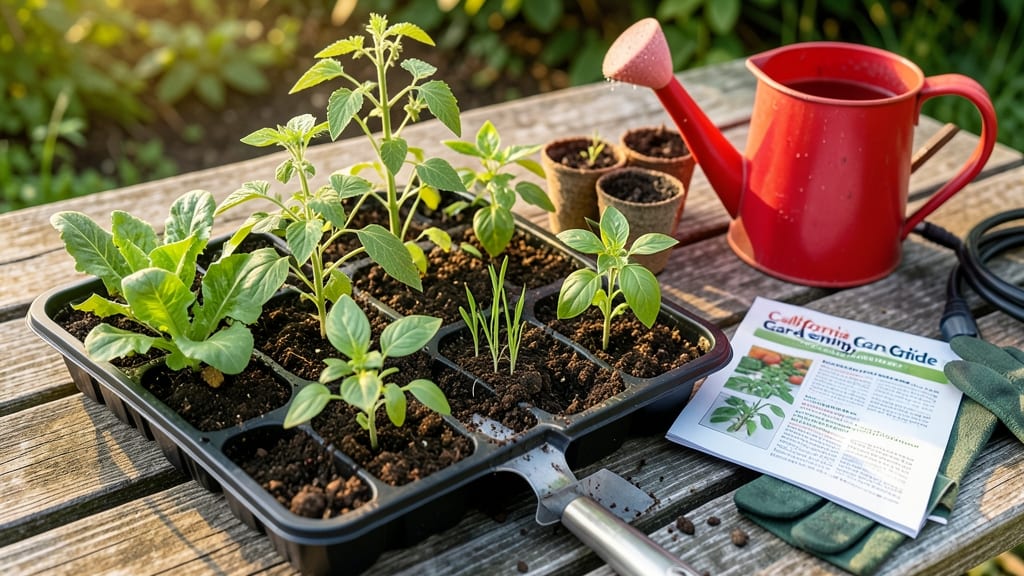
When to Plant a Vegetable Garden in California: Climate Zone Breakdown by Frost-Free Start Dates

Planting

When to Plant a Vegetable Garden in California: Climate Zone Breakdown by Frost-Free Start Dates

Planting a vegetable garden in California at the right time means the difference between a thriving harvest and wasted seeds — and the window varies wildly from the coast to the desert.

California’s diverse climate—from coastal fog to desert heat—means planting your vegetable garden at the wrong time can spell disaster for your crops. Get the timing right, and you’ll enjoy a bountiful harvest; get it wrong, and you’ll watch your seeds wither before they even sprout.

Most gardeners in USDA Zones 7-11 start warm-season crops like tomatoes and peppers in early spring, but coastal areas can wait until late March or April to avoid frost damage. Meanwhile, desert regions like the Central Valley may begin as early as February, when soil temperatures climb above 60°F.

Below, I break down the exact frost-free dates by region, which crops thrive in each microclimate, and how to adjust your planting schedule for succession planting—so you’re never without fresh veggies from spring through fall.

🌱 When to Plant Vegetable
Jan ❄️
Feb ❄️
Mar 🌱
Apr 🌱
May 🌱
Jun 🌱
Jul ☀️
Aug ☀️
Sep 🍂
Oct 🍂
Nov 🍂
Dec ❄️
Ideal Time
Also Good

California’s 10 planting zones: frost-free dates by region

California’s diverse microclimates create unique planting challenges. From the coastal fog of San Francisco to the scorching deserts of Palm Springs, knowing your USDA Hardiness Zone and frost-free dates is critical for success.

The Golden State spans Zones 5 through 11, with some areas experiencing zero frost while others face late spring freezes. Let’s break down when to plant by region so you can time your vegetable garden perfectly.

Understanding your frost-free dates determines whether you can grow tender annuals like tomatoes or stick to hardy cool-season crops like kale.

Coastal areas like Zone 9b in Santa Barbara may have no frost, while mountain regions like Zone 6b in the Sierra Nevada can see frost as late as May 15.

Even within cities, microclimates vary—urban heat islands can push planting dates 2-3 weeks earlier than rural areas just miles away.

Here’s your region-by-region guide to California’s planting zones, including average frost-free dates, spring planting windows, and fall planting opportunities. Use this as your roadmap to avoid frost damage and maximize your harvest.

Region USDA Zone Avg. Last Frost Spring Planting Window Fall Planting Window Notes
Northern Coast (Eureka) Zone 9a None (rare frost) Feb–Mar Sep–Oct Coastal fog delays heat-loving crops
Bay Area (San Francisco) Zone 9b–10a None Jan–Feb Aug–Sep Urban areas 5–10°F warmer
Central Valley (Sacramento) Zone 9a–10a Feb 15–Mar 1 Mar–Apr Jul–Aug Hot summers; mulch heavily
Los Angeles Basin Zone 10a–11 None Dec–Jan Jul–Aug Drought-tolerant crops thrive
Central Coast (Santa Barbara) Zone 9b–10a None Jan–Feb Sep–Oct Cooler evenings extend growing season
Desert (Palm Springs) Zone 10b–11 None Nov–Dec Aug–Sep Shade cloth essential in summer
Sierra Nevada Foothills Zone 6b–7a May 15 Apr–May Jul–Aug Late frosts common; use row covers
San Diego Coast Zone 10a–11 None Dec–Jan Aug–Sep Year-round growing possible
Northern Mountains (Lake Tahoe) Zone 5b–6a Jun 1 May–Jun Aug–Sep Short growing season; focus on cold-hardy crops
In

Best vegetables to plant by season in California’s climate

California’s diverse microclimates mean your tomato plants in the desert thrive while coastal lettuce bolts in summer heat. Understanding seasonal planting is key to success. Warm-season crops like peppers and squash love hot days, while cool-season favorites like broccoli and carrots prefer milder temperatures.

Let’s break down the best vegetables for each season and how to adapt for your specific region.

In coastal areas like San Francisco, you can plant cool-season crops year-round thanks to mild winters, but Central Valley gardeners must time their warm-season plants carefully to avoid late spring frosts.

Desert regions like Palm Springs can grow tomatoes almost any month, but fall planting often yields the best results. Each zone has unique planting windows that maximize your harvest potential.

Key Planting Tips
  1. 🌱 Cool-Season Crops: Plant lettuce, broccoli, and carrots in fall (Sept-Oct) for winter harvests or early spring (Feb-Mar) before heat arrives. Coastal areas can extend this to year-round with row covers.
  2. ☀️ Warm-Season Crops: Start tomatoes, peppers, and squash after last frost (Apr-May) in most regions. Desert areas can plant as early as Feb, while coastal zones wait until May to avoid chilly nights.
  3. 🌡️ Soil Temperature Matters: Warm-season crops need 60°F+ soil. Use a soil thermometer to check—Central Valley soils warm faster than coastal soils. Amend with compost to help heat up faster.
  4. 🌿 Succession Planting: For continuous harvests, sow lettuce every 2-3 weeks in spring/fall. In desert climates, plant basil in shade cloth during peak summer to prevent bolting.
  5. ✂️ Fall Planting Hacks: Use row covers to protect cool-season crops from light frosts in Central Valley. In coastal areas, extend harvests by planting kale in late summer for winter greens.
"Timing is everything—plant too early, and your crops suffer; too late, and you miss the harvest window."

For coastal gardeners, focus on leafy greens and root vegetables in winter, then transition to beans and cucumbers in summer. The Central Valley can grow two full harvests of warm-season crops—plant early spring for summer harvests, then late summer for fall yields.

Desert regions should prioritize shade-loving crops like malabar spinach during peak summer when other plants wilt.

One common mistake is planting warm-season crops too early in cooler zones. For example, tomato seedlings in San Francisco may struggle if planted before May 15.

Always check your local frost dates and adjust by 2-4 weeks for safety. Succession planting is your best friend—sow fast-growing crops like radishes every 2 weeks to ensure a steady supply.

Don’t forget about perennial vegetables like asparagus or artichokes, which thrive in California’s mild winters. Plant them in early spring and enjoy harvests for years.

For container gardening, choose compact varieties of peppers or bush beans and time plantings to align with your balcony’s sun exposure—south-facing spots get hotter in summer.

Pro tip: Keep a gardening journal to track what works in your microclimate. Note when you planted, how your crops performed, and any pests or diseases you encountered. Over time, you’ll refine your planting schedule to perfection. Happy growing!

★★★★★4.6(13 reviews)
Categories Planting