
Planting
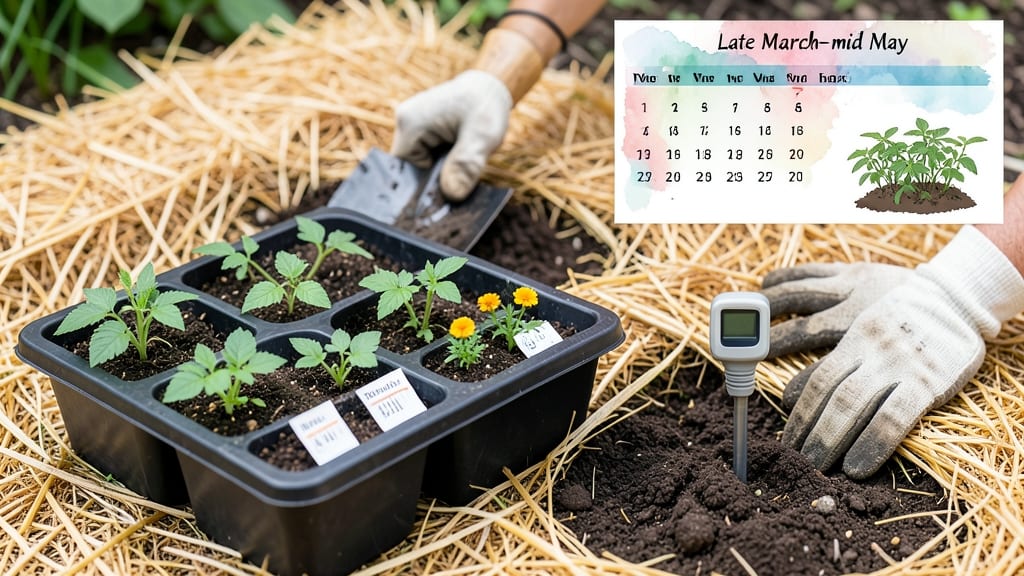
Planting a garden in Missouri at the right time means the difference between a bountiful harvest and a frost-killed disappointment.
Missouri gardeners know timing is everything—plant too early and face frost damage, too late and miss peak harvests. But with the state’s diverse climate zones, figuring out the perfect planting window can feel overwhelming.
From St. Louis’s USDA Zone 6b to Kansas City’s Zone 5b, last frost dates shift by weeks, and warm-season crops like tomatoes need soil temperatures above 60°F to thrive.
Below, I break down the exact frost-free timeline by region, backup dates for unpredictable springs, and a month-by-month planting calendar so you can start your garden with confidence.
Missouri planting zones: frost-free dates by region (2024 guide)
Missouri spans USDA Plant Hardiness Zones 5b through 7a, creating dramatic differences in frost timing from northern St. Louis County to southern Cape Girardeau. The average last spring frost can vary by 3+ weeks across the state, making zone-specific planning essential for successful harvests.
For example, gardeners in Zone 5b (northwest Missouri) typically see their last frost around April 15, while those in Zone 7a (southeast Missouri) often wait until March 15. These differences impact everything from seed starting dates to transplanting warm-season crops like tomatoes and peppers.
The University of Missouri Extension tracks historical frost data showing that first fall frosts also vary widely—from October 20 in Zone 5b to November 10 in Zone 7a. This means your cool-season crops like broccoli and kale have 60-90 days of growing time before winter sets in.
🌱
Understanding these frost-free windows helps you time cool-season crops like lettuce and peas for early spring or fall harvests. For instance, in Zone 6a, you can plant spinach in early March and still enjoy harvests before summer heat arrives.
Meanwhile, warm-season crops like tomatoes need to wait until soil temperatures reach 60°F+, typically after your last frost date.
Missouri’s microclimates also play a role—urban areas like Kansas City often experience 2-3 warmer days than rural areas just 20 miles away. That’s why I always check local weather stations (like those from the National Weather Service) for 3-year averages rather than relying solely on zone guidelines.
For southern Missouri gardeners in Zone 7a, the longer growing season allows for successive plantings of warm-season crops. You can start sweet potatoes in late April and still harvest before frost, while northern gardeners may need to opt for faster-maturing varieties or use season extenders like row covers.
Pro tip: Use the "10-day rule" for backup planting dates. If your last frost is April 15, wait until April 25 to plant heat-sensitive crops like basil to account for unexpected cold snaps. This simple adjustment has saved my eggplant seedlings from multiple early-season frosts!
Don’t forget to monitor soil temperature—most warm-season crops need soil at 60-65°F to thrive. A soil thermometer (only $10!) is my secret
Backup planting dates for Missouri gardeners: when to adjust for unpredictable weather
Missouri’s spring weather can be as unpredictable as a whirlwind—one day warm and sunny, the next a surprise frost. If you’ve ever planted your tomatoes or peppers only to have them nipped by late frost, you know the frustration.
The key to avoiding this is planning backup planting dates using science-backed methods like the 10-day rule and heat unit tracking.
Most gardeners rely on average last frost dates, but Missouri’s climate varies dramatically from the bootheel’s Zone 7a to the northern border’s Zone 5b. That’s why I recommend layering your planting strategy with backup dates—just in case Mother Nature throws a curveball.
Start by noting your local historical frost patterns (check the University of Missouri Extension’s records) and adjust your timeline accordingly.
Here’s the critical step: add 10-14 days to your primary planting date as a buffer. For example, if your zone’s average last frost is April 15, plant heat-loving crops like cucumbers or squash around April 25—but have a second batch ready for May 5.
This 10-day rule accounts for late frosts while giving plants enough time to establish roots before summer heat arrives.
🌱
⚠️ Missouri’s Frost Risk Zones
Missouri’s northern zones (5b-6a) face higher frost risk than the south. Use these backup date adjustments:
- Zones 5b-6a: Add 14 days to primary dates
- Zones 6b-7a: Add 10 days to primary dates
- All zones: Monitor soil temperatures—wait until 60°F+ for warm-season crops
🌡️ Pro Tip: Use a soil thermometer—cold soil delays germination even if air temps are warm.
Heat unit tracking is another game-changer. Most seed packets list days to maturity, but they often assume ideal growing conditions. Missouri’s summer heat can speed up growth, while cool springs slow it down.
Track growing degree days (GDD) using your local Cooperative Extension Service data—most crops need 1,200-1,500 GDDs to mature. For example, tomatoes in Zone 6a might need 1,300 GDDs; if your area hits 1,000 GDDs by July 1, your backup planting should be ready by June 15.
Don’t forget to monitor local weather trends in real-time. Sign up for alerts from the National Weather Service or use apps like PlantNet to track frost forecasts.
I also recommend keeping a garden journal to note when frosts occur in your specific microclimate—your backyard might be 2-3°F warmer than the official station due to urban heat islands or topography.
For a foolproof system, create a backup planting checklist: ☑️ Check soil temps 2 weeks before primary planting date ☑️ Have 20% extra seeds for late starts ☑️ Set reminders for 10-day intervals after your first planting ☑️ Use row covers to protect seedlings if frost threatens after planting ☑️ Plant fast-maturing varieties (e.g., bush beans instead of pole beans) as backups
With these strategies, you’ll never again panic when the weather forecast turns gloomy. Even if your primary planting gets nipped, your backup will save your harvest—and your sanity! 🌿