
Planting
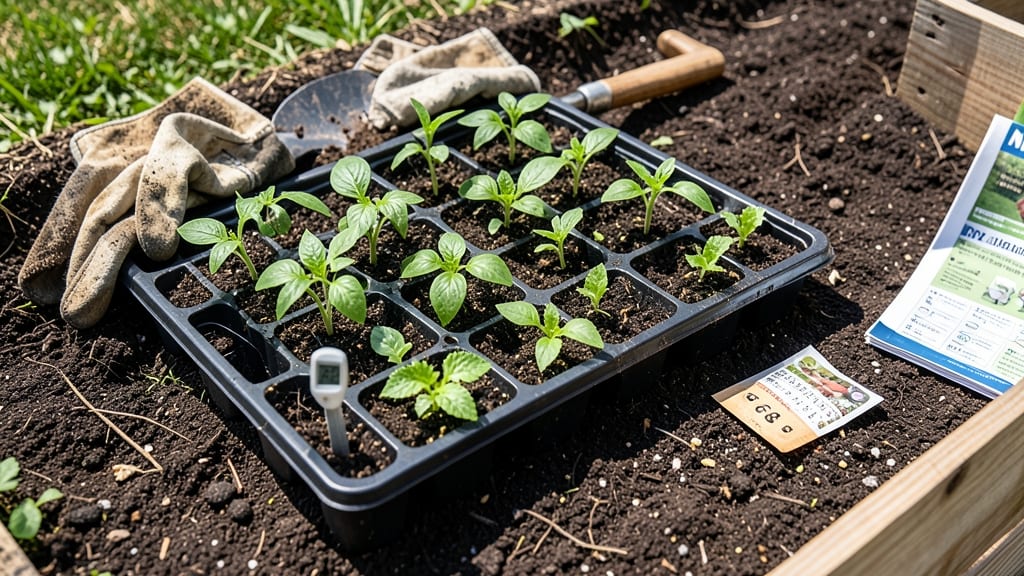
Planting a vegetable garden in New Jersey at the right time means the difference between a bountiful harvest and a frost-killed disappointment.
New Jersey’s unpredictable spring frost can turn your vegetable garden dreams into a chilly disappointment—but timing your plantings just right ensures a thriving harvest from first tomato to last green bean.
With USDA zones ranging from 6b to 7a, knowing when to start seeds indoors, transplant seedlings, and sow directly in the soil is everything. Coastal areas like Cape May have milder winters, while inland spots like Newark face harsher freezes—so the rules aren’t one-size-fits-all.
Below, I break down the exact planting windows for cool-season crops (like spinach and peas) and warm-season favorites (tomatoes and peppers), plus pro tips to stretch your growing season by weeks.
NJ planting zones & frost dates: the exact timeline for zero-frost success
New Jersey spans USDA Hardiness Zones 5a through 7a, meaning your planting timeline can vary by as much as 4 weeks depending on where you live.
In Zone 5a (northwest NJ), frost lingers until May 15th, while Zone 7a (south Jersey coast) sees its last frost by April 1st. These differences are critical for warm-season crops like tomatoes and peppers, which can't tolerate even light frosts.
Understanding your microclimate is just as important as your zone. Urban areas like Newark and Jersey City experience heat islands that can delay spring frost by 5–7 days, while rural Pine Barrens regions often see earlier frosts.
Coastal areas also benefit from moderating ocean breezes, extending the growing season by 2–3 weeks compared to inland zones.
To navigate these variations, I rely on 2023 NJ frost data from the Rutgers NJAES and NOAA records. The average last spring frost ranges from April 1st (south coast) to May 15th (northwest), while the first fall frost arrives between October 15th (coastal) and November 1st (inland).
Planning around these dates ensures your warm-season crops avoid frost damage while cool-season crops get a head start.
For warm-season crops like tomatoes, peppers, and cucumbers, the soil temperature is just as critical as frost dates. These plants won’t germinate until soil reaches 60°F+.
In Zone 5a, that often means waiting until late May, while Zone 7a gardeners can start as early as mid-April. I test soil temperature with a digital thermometer to avoid false starts.
Cool-season crops like lettuce, spinach, and kale thrive in 50–60°F soil and can handle light frosts. In Zone 5a, I plant these as early as mid-March under row covers, while Zone 7a gardeners can start in late February.
For a fall harvest, aim to plant by mid-August to mature before frost.
Urban gardeners in Newark or Jersey City often experience microclimates that are 2–3°F warmer than rural areas. This means you can plant warm-season crops 5–7 days earlier than the zone average. Conversely,
Best vegetables to plant by month in NJ: a month-by-month survival guide
New Jersey gardeners know timing is everything—especially when spring frost can strike as late as May in some zones. But with the right month-by-month strategy, you can enjoy a continuous harvest from early peas to late-season kale. The key? Planting frost-tolerant crops early and heat-lovers after Memorial Day.
I’ve broken down the best vegetables to plant each month in NJ, including indoor seed-starting dates and outdoor transplant windows. Pro tip: Use row covers to extend early plantings by 2–3 weeks, and always check your local frost dates (Zone 6b–7a).
- 🌱 January–February: Start indoor seeds for tomatoes, peppers, and eggplants (6–8 weeks before last frost).
- 🌿 March: Direct-sow peas, spinach, and lettuce outdoors. Transplant onion sets and potatoes.
- ☀️ April: Harden off indoor seedlings (tomatoes, basil). Plant carrots, radishes, and broccoli.
- ✂️ May: After last frost (May 10–20), transplant tomatoes, peppers, and cucumbers. Succession-sow beans and zucchini.
- 🌻 June–July: Plant heat-loving crops like okra and sweet potatoes. Start fall squash indoors.
- 🍂 August: Direct-sow cool-season crops (kale, arugula) for fall harvest. Transplant broccoli and cabbage.
- 🌧️ September–October: Extend season with row covers for garlic and spinach. Plant cover crops (clover) to protect soil.
Don’t overlook NJ-specific varieties like ‘Jersey Giant’ tomatoes or ‘Atlantic’ sweet corn, bred to thrive in our humid summers. For succession planting, sow bush beans every 2 weeks from May to July—this ensures a steady harvest instead of one big glut.
Heat-sensitive crops like cucumbers and squash need to wait until soil temps hit 60°F+. Use a soil thermometer to check—cooler soil stunts growth. And if you’re in coastal NJ, plant 2 weeks later than inland areas due to delayed warming.
Protect your late-summer plantings with floating row covers to shield from early autumn frosts. I’ve had Swiss chard survive until November this way! For winter harvests, plant hardy greens like kale and spinach in September—they’ll reward you with tender leaves even in light frost.
Remember: Soil prep is half the battle. Amend beds with compost in early spring and mulch heavily to retain moisture. With this month-by-month roadmap, you’ll beat NJ’s unpredictable weather and enjoy a bountiful garden all season long. Happy planting! 🌱