
Planting
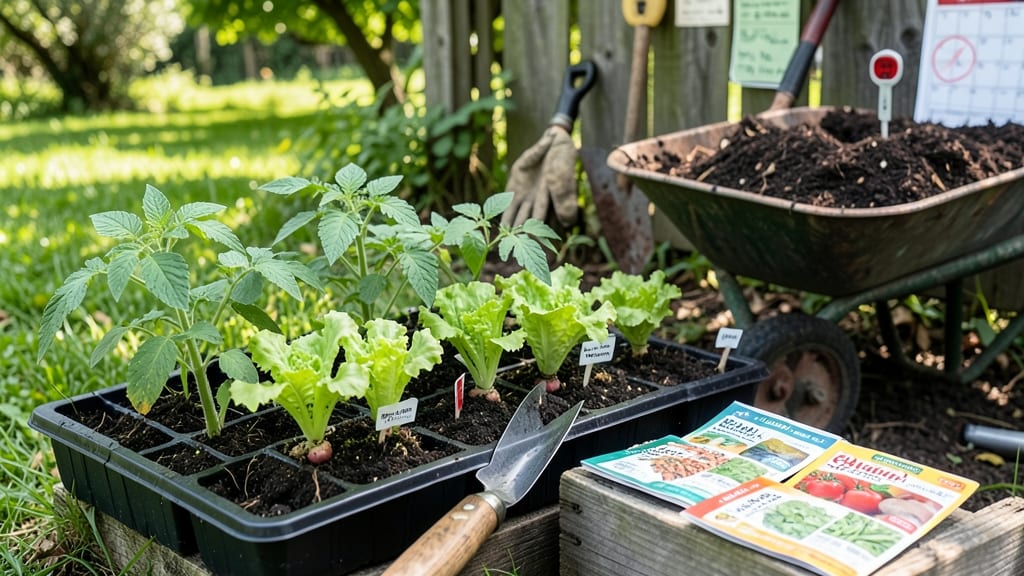
To plant a vegetable garden in New York, timing is everything—your 6a zone (or 4b upstate, 7a in NYC) demands precision to avoid frost damage or wasted effort.
New York’s unpredictable climate can make or break your 🌱 vegetable garden—planting too early risks frost damage, while waiting too long means missing peak harvests. Mastering the right timing by zone and crop type is the secret to a thriving garden.
Cool-season crops like spinach and peas thrive when planted mid-April to mid-June, while warm-season favorites such as tomatoes and peppers need to wait until after the last frost, typically late May to early June.
Below, I’ll break down the exact planting windows for your zone, plus strategies to extend your growing season—so you can enjoy fresh veggies from June through October.
New York frost dates by planting zone: critical timing for success
New York’s planting zones 5-7 experience dramatic temperature swings, making frost dates the most critical factor for a successful vegetable garden. The last spring frost typically arrives between mid-April and late May, while the first fall frost hits anywhere from mid-October to late November.
These dates vary dramatically between northern NY (zone 5), upstate (zone 6), and NYC (zone 7a), so knowing your exact zone is essential.
For example, gardeners in zone 5 (northern NY) should plan for a longer growing season with only about 140 frost-free days, while those in zone 7 (NYC) enjoy 200+ days. This difference means you can grow heat-loving crops like tomatoes in NYC but not reliably in the Adirondacks.
Always check the USDA Plant Hardiness Zone Map for your specific location, as microclimates (like urban heat islands) can shift frost dates by 1-2 weeks.
Here’s how to use frost dates to plan your garden:
Cool-season crops like spinach, peas, and kale thrive in spring and fall when temperatures hover between 40°F and 75°F. These can be planted 4-6 weeks before your last frost date.
For example, in zone 6, sow spinach in early March for a spring harvest, then replant in late August for a fall crop before the first frost.
Warm-season crops such as tomatoes, peppers, and eggplant need soil temperatures above 60°F and should only go in the ground after your last frost date. In zone 5, this means waiting until late May, while zone 7 gardeners can start as early as mid-April.
Use a soil thermometer to confirm readiness—warm-season plants will wilt if exposed to even light frosts.
Urban gardeners in NYC (zone 7a) often experience urban heat islands, where pavement and buildings trap heat, delaying first frosts by 1-2 weeks. If you’re in a city, monitor local weather forecasts and consider planting heat-tolerant varieties like okra or sweet potatoes later in the season.
Conversely, rural areas in zone 5 may face earlier frosts, so opt for fast-maturing varieties or use row covers to extend the season.
To maximize your growing season, start cool-season crops indoors 6-8 weeks before the last frost or use season extenders like cold frames and hoop houses. For warm-season crops, consider starter plants from local nurseries (e.g., tomato transplants in May) to get a head start.
Always have a backup plan for late frosts—keep row covers on hand to protect tender seedlings.
New York’s fall planting window is just as critical as spring. For example, broccoli and carrots can be sown in late July (zone 7) or early August (zone 5) for a harvest before the first frost.
Use frost-sensitive varieties like bush beans or zucchini in late summer to avoid bolting in the heat.
For real-time updates, consult the Cornell University Garden Resources or your local Cooperative Extension office. These resources provide hyper-local frost predictions and can help you adjust your planting schedule based on unpredictable weather patterns.
With the right timing, you can enjoy a bountiful harvest from spring to fall—no matter your zone! 🌿
Best vegetables to plant now in New York (by month and hardiness)
New York’s diverse climate zones—from USDA Zone 4b in the Adirondacks to Zone 7a in NYC—mean you can grow a year-round vegetable garden with the right timing. The key is matching each crop’s hardiness to your local frost dates while planning for succession planting to keep harvests flowing.
Whether you’re in upstate New York or the Long Island region, these month-by-month guidelines will help you maximize your garden’s potential.
Start with cold-hardy crops like spinach and peas in early spring, then transition to heat-loving varieties such as tomatoes and peppers as temperatures rise. For fall gardens, focus on kale, carrots, and radishes that thrive in cooler weather.
Below, I’ve broken down the best vegetables to plant each month, including succession planting tips to ensure a continuous harvest.
- 1 March-April (Cool Season): Plant spinach, kale, peas, and radishes. These thrive in 40-60°F soil and can handle light frosts.
- 2 May-June (Warm Season Start): Introduce lettuce, broccoli, and cabbage for early summer harvests. Wait until after last frost (typically mid-May) for tomatoes and peppers.
- 3 June-July (Peak Summer): Plant beans, cucumbers, and squash. Use row covers for eggplants and peppers if nights are still cool.
- 4 August (Fall Prep): Start succession plantings of kale, carrots, and turnips for fall harvests. Avoid planting heat-sensitive crops like lettuce in peak summer heat.
- 5 September-October (Fall Garden): Plant garlic, onions, and overwintering spinach. Use cold frames to extend the season for leafy greens like arugula.
For succession planting, stagger your sowing every 2-3 weeks for crops like lettuce and radishes to ensure a steady supply. In Zone 6b and 7a, you can even plant green onions and cold-hardy herbs like parsley in late summer for a winter harvest.
Always check your local frost dates—NY’s first frost can arrive as early as mid-October in northern regions.
Pro tip: Use mulch to protect soil and retain moisture, especially for late-summer crops. In urban areas, like Brooklyn or Buffalo, microclimates can delay frost, so monitor your garden closely.
With this month-by-month guide, you’ll avoid common mistakes like planting tomatoes too early or missing fall harvests due to frost.
Remember, New York’s diversity means your neighbor’s garden might thrive with a different schedule than yours. Adjust based on your last frost date and local microclimate—whether you’re in the Adirondacks or Long Island Sound. Happy planting! 🌱