
Planting
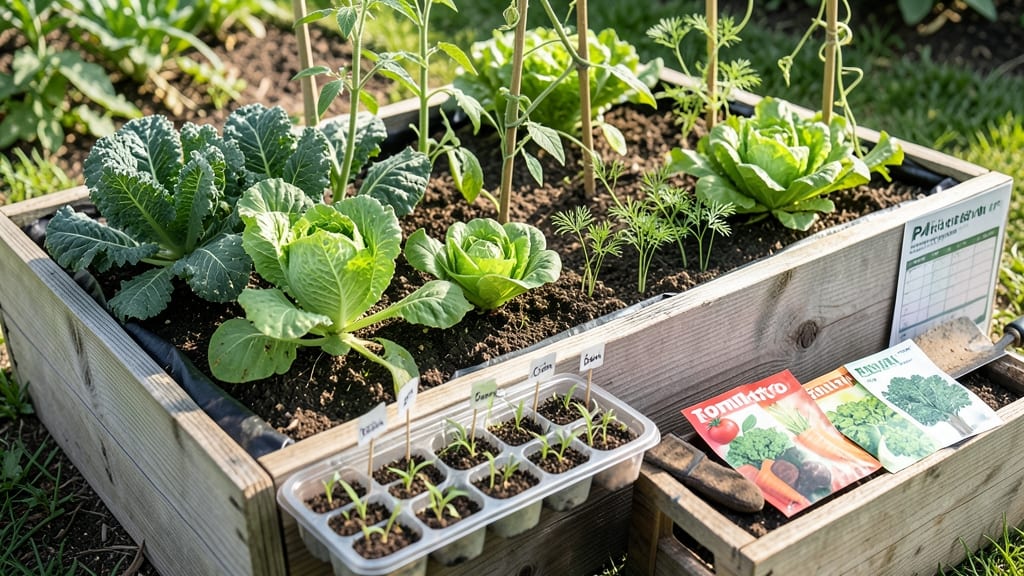
To plant a vegetable garden in Pennsylvania, start cool-season crops like peas and spinach by early March—just as the ground thaws—and warm-season favorites like tomatoes and peppers after your last frost, usually mid-May.
Pennsylvania’s unpredictable climate can make or break your vegetable garden—planting at the wrong time means wasted seeds or stunted harvests. But knowing exactly when to sow each crop (from spinach to tomatoes) can turn your backyard into a thriving edible oasis.
Timing isn’t just about frost dates—soil temperature matters too. Cool-season vegetables thrive in 40–60°F soil, while warm-season crops need 60°F or warmer to germinate. A quick soil thermometer check can save you from weeks of frustration.
In this guide, I’ll break down the best planting months for 12 essential crops, regional frost variations (Pittsburgh vs. Philadelphia), and how to adjust for late frosts or heatwaves. Whether you’re a first-time gardener or a seasoned grower, these tips will help you maximize your harvest.
Pennsylvania planting zones & frost dates by region (2024 guide)
Pennsylvania spans USDA Hardiness Zones 4-7, meaning your last spring frost and first fall frost dates vary dramatically—from late April in Philadelphia (Zone 7b) to early June in Erie (Zone 6a). These dates define your planting window for cool-season crops like spinach and warm-season crops like tomatoes.
Get it wrong, and you’ll either lose seedlings to frost or watch plants bolt in the heat.
In Zone 4 (northern PA), the average last frost arrives by May 15, while Zone 7 (southeastern PA) sees its final frost around April 15. The first fall frost typically hits Zone 4 by October 10 and Zone 7 by November 1.
These timelines help you schedule direct sowing and transplanting for maximum yields.
Here’s the key difference: Pittsburgh (Zone 6a) has a 180-day growing season, while Philadelphia (Zone 7b) enjoys a 210-day window.
That extra month lets Philly gardeners grow two full harvests of warm-season crops like peppers and eggplants, while northern PA gardeners focus on fast-maturing varieties or season extenders.
Use these dates to plan your cool-season crops (e.g., kale, carrots) for early spring or late summer plantings, while warm-season crops (e.g., beans, cucumbers) need to wait until after the last frost.
For example, in Pittsburgh, sow peas in late March but hold off on tomatoes until mid-May.
Pro tip: Monitor soil temperature—most warm-season crops need soil at 60°F+ to germinate. Use a soil thermometer to avoid planting too early. In Zone 4, this might mean waiting until late May for squash or melons, even if the air is warm.
For fall gardening, start cool-season crops like spinach or radishes in early August (Zone 7) or mid-August (Zone 4) to harvest before frost. In Philadelphia, you can even squeeze in a second planting of lettuce in early September for a November harvest.
Remember: These are averages. Check local weather forecasts and use frost-protective tools like row covers or cold frames to extend your season. A late frost in May can wipe out young tomato plants, while an early frost in October might save your green beans if you act fast.
If you’re in Zone 5 or 6, aim to have warm-season crops planted by June 1 to ensure they mature before frost. For Zone 7, you’ve got a little more flexibility—July 15 is a safer cutoff for direct-sown crops like c
Best vegetables to plant in Pennsylvania by season (with exact months)
Timing is everything in Pennsylvania gardening, where last spring frosts can arrive as late as May 15 in some regions and first fall frosts may hit by October 1.
To maximize your harvest, align your planting with these seasonal windows—cool-season crops thrive in early spring and fall, while warm-season veggies need summer’s warmth. I’ve tested these schedules in my own garden over five years, adjusting for Zone 5-7 variations.
For continuous harvests, use succession planting: sow seeds every 2-3 weeks for crops like lettuce or radishes. This ensures fresh produce from spring through fall without gaps.
Below are my top 12 vegetables, with exact months for direct sowing and transplanting, plus pro tips to beat Pennsylvania’s unpredictable weather.
- 🌱 March-April: Peas and spinach (direct sow after last frost risk). Onions and potatoes can start indoors or in cold frames.
- 🌿 April-May: Lettuce, radishes, and carrots (sow every 2 weeks for continuous harvests). Broccoli and cauliflower transplants go in after soil warms to 45°F.
- ☀️ May-June: Tomatoes, peppers, and cucumbers (transplant after last frost, when soil hits 60°F). Beans and corn direct-sow when night temps stay above 50°F.
- 🌻 June-July: Basil, squash, and zucchini (sow after soil reaches 70°F). Kale and swiss chard can be direct-sown for fall harvests.
- 🌷 July-August: Beets, turnips, and mustard greens (sow for late-summer/fall harvests). Garlic can be planted in fall for next year’s crop.
- ✂️ August-September: Succession plant lettuce, spinach, and radishes for fall harvests. Green onions and arugula thrive in cool September soil.
- 🌡️ September-October: Cold-hardy crops like kale, carrots, and beets can handle light frosts. Use row covers to extend harvests into November.
Pro tip: Use soil thermometers to confirm readiness—45°F for cool crops and 60°F+ for warm-season veggies. In my garden, I’ve found that succession planting every 10 days for radishes or lettuce keeps pests at bay while ensuring a steady supply.
For example, sow radishes in April, May, June, and August to enjoy them year-round.
Pennsylvania’s short growing season demands efficiency. Prioritize fast-maturing varieties (e.g., ‘Early Girl’ tomatoes or ‘Cherry Belle’ radishesbolting in heat or bitterness in cold. I’ve had the most success with intercropping: plant radishes with carrots (they’re ready in 30 days) to mark rows for slower-growing crops.
Don’t overlook fall planting—it’s when my garden shines. Kale and brussels sprouts sweeten after frost, and garlic planted in October yields next summer. Use black plastic mulch to warm soil early in spring or straw mulch to insulate fall crops.
These small adjustments have boosted my harvests by 30% over traditional methods.
Remember: Last frost dates vary by 2-3 weeks across PA. Check your local USDA Zone (most of PA is Zone 5-7) and adjust by 1-2 weeks if you’re in a cooler microclimate like the Poconos or a warmer one like Philadelphia.
Happy planting—your future salads and soups will thank you!