
Planting
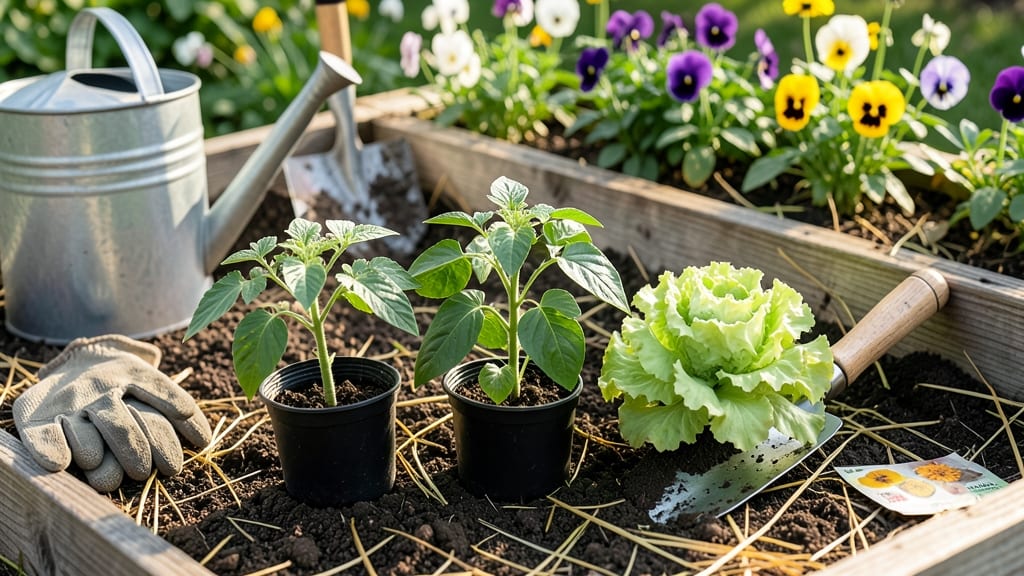
Planting a garden in Pennsylvania at the right time means the difference between a bountiful harvest and a sad pile of withered seedlings 🌱 — and the window is narrower than you’d think.
Pennsylvania’s climate swings wildly from zone to zone, with frost creeping in as early as mid-March in the mountains or lingering until November in the valleys. Get the timing wrong, and you’ll either lose your plants to cold or watch them bolt in the heat.
This guide breaks down the exact planting windows for your zone, whether you’re sowing tomatoes in Philadelphia’s heat or starting herbs in Erie’s cooler air. No more guessing—just a clear roadmap to maximize your garden’s potential.
You’ll learn when to start seeds indoors, which crops thrive in Pennsylvania’s short but sweet growing season, and how to adjust for microclimates that can shift frost dates by weeks. Ready to turn your soil into gold?
Pennsylvania planting zones & frost dates: what you Must Know Before Digging
Pennsylvania spans USDA Hardiness Zones 5b through 7a, meaning your planting schedule should shift based on whether you're in Erie (Zone 6a), Pittsburgh (Zone 6b), or Philadelphia (Zone 7a).
These zones determine which plants thrive and when to plant them. For example, tomatoes need warmer soil in Zone 5b but can handle earlier starts in Zone 7a.
Frost dates are the real game-changer. In Erie, the last spring frost typically arrives around April 15, while Philadelphia sees its first frost around October 25.
Pittsburgh falls somewhere in between. These dates dictate when to plant frost-sensitive crops like peppers and basil—waiting too long means a shorter growing season.
Microclimates add another layer. A south-facing wall can warm your garden by 5–10°F, letting you plant warm-season crops 2–3 weeks earlier. Conversely, low-lying areas or shaded spots may experience frost 1–2 weeks later than official averages. Always scout your yard for these microclimates before planning.
Here’s a quick reference for Pennsylvania’s last/first frost averages by region, plus how they impact your planting timeline:
To fine-tune your planting schedule, use the frost-date calculator from the National Oceanic and Atmospheric Administration (NOAA). Enter your ZIP code for localized frost predictions, which can vary by 5–10 days from regional averages.
For example, a backyard in Reading (Zone 6b) might see frost 3 days earlier than official Pittsburgh data.
For cool-season crops like spinach and peas, start seeds indoors 4–6 weeks before your last frost date. In Zone 5b, this means mid-March, while Zone 7a gardeners can begin in early March. Use biodegradable pots to transplant seedlings without disturbing roots.
Warm-season crops—think tomatoes, peppers, and cucumbers—need soil temperatures above 60°F. In most of PA, this aligns with late May to early June. Test soil temperature with a soil thermometer before planting; cold soil can stunt growth.
If your area experiences late frosts, opt for fast-maturing varieties like 'Early Girl' tomatoes or 'Sweet Banana' peppers.
Fall planting is another critical window. Start broccoli and kale outdoors 6–8 weeks before your first frost. In Philadelphia, this means late July to early August, while Erie gardeners should wait until mid-August. Use mulch to insulate soil and extend the harvest season by 2–3 weeks.
Don’t overlook perennials and bulbs, which have their own timing rules. Plant spring-blooming bulbs like daffodils in fall (October–November), while summer-blooming perennials (e.g., coneflowers) go in early spring. In PA’s climate, late fall planting can lead to bulb rot due to winter moisture.
Pro tip: Keep a gardening journal to track your local frost dates and plant performance. Over 3 years, you’ll spot patterns—like when your microclimate reliably warms up enough for eggplants—and adjust your schedule accordingly. Happy planting! 🌱
Best planting times for Pennsylvania’s top 10 vegetables & herbs
Pennsylvania’s cool-season and warm-season crops thrive on precise timing. Whether you’re growing heirloom tomatoes or hardy collard greens, knowing when to plant ensures a bountiful harvest. In USDA Zones 5b–7a, last frost dates range from mid-April to late May, while first frost arrives between mid-October and November.
Let’s break down the best times for your top crops, including succession planting tips to extend your harvest.
For warm-season vegetables, like tomatoes and peppers, wait until soil temperatures reach at least 60°F—usually late May to early June in most of PA. Cool-season crops, such as lettuce and kale, can handle early spring or late summer plantings, even tolerating light frosts.
Don’t overlook herbs like basil, which need warm soil and won’t survive frost, or hardy greens like spinach, which thrive in cooler weather.
- 1. Early Spring (March–April): Plant cool-season crops like spinach, kale, and peas as soon as soil is workable. Onion sets and potatoes also go in early.
- 2. Late Spring (May–Early June): Warm up the soil for tomatoes, peppers, and beans. Start basil and cucumbers indoors 6–8 weeks before last frost.
- 3. Summer (June–July): Succession plant lettuce, radishes, and bush beans every 2–3 weeks for continuous harvests. Herbs like cilantro thrive in cooler summer evenings.
- 4. Late Summer (August): Prepare for fall crops like collards, broccoli, and carrots. Plant cabbage for a late-season harvest.
- 5. Fall (September–October): Extend the season with garlic, onion sets, and hardy greens. Stop planting warm-season crops 4–6 weeks before first frost.
Pennsylvania’s forgotten crops, like collard greens and Swiss chard, are winter hardy and perfect for fall and early spring plantings. These nutrient-dense greens thrive in cool temperatures and can even survive light frosts, making them ideal for succession planting throughout the season.
For herbs, parsley and chives are biennials that can be planted in early spring or late summer for a harvest the following year.
If you’re growing tomatoes, opt for heirloom varieties like Brandywine or Cherokee Purple, which perform exceptionally well in PA’s climate. Plant transplants after the last frost, typically late May to early June, and use cage supports to prevent disease from soil splatter.
For peppers, start seeds indoors in March and transplant after soil warms to 70°F, usually mid-to-late June.
For beans, both bush beans and pole beans thrive in PA’s heat.
Plant bush beans in late May for a summer harvest, while pole beans can be succession-planted every 2 weeks until mid-July. Lettuce is another crop that benefits from succession planting: Sow seeds every 2 weeks from early spring until mid-summer, using shade cloth to prevent bolting in hot weather.
Remember, microclimates play a role—urban areas like Philadelphia may experience earlier last frosts due to the urban heat island effect, while mountainous regions like the Poconos have cooler soils that delay planting.
Adjust your timeline by 1–2 weeks based on your local frost dates and soil conditions. With these timing tips, your PA garden will be productive from spring to fall!