
Planting
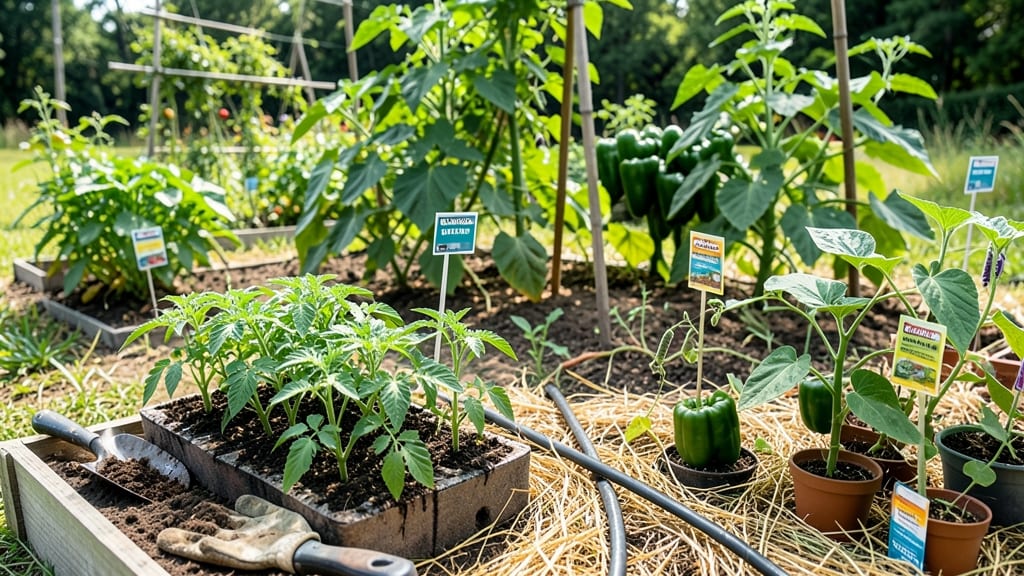
To plant a vegetable garden in Florida, timing depends on your microclimate and the crop’s heat tolerance—because what works in North Florida may fail in the Everglades.
Florida’s unique microclimates—from steamy coastal zones to cooler inland areas—mean traditional planting guides often miss the mark, leaving gardeners confused about timing. But with the right schedule, you can grow fresh vegetables year-round, even in the heat and humidity.
In this guide, I’ll break down the best months for planting everything from tomatoes to greens, plus how to stretch your growing season with shade cloth and mulch. You’ll also get a month-by-month calendar tailored to Florida’s five key zones.
Whether you’re a first-time gardener or a seasoned pro, these tips will help you avoid common mistakes—like planting heat-sensitive crops in summer—and maximize your harvests all 365 days.
Florida’s 5 microclimates & their ideal planting windows
Florida’s diverse microclimates create unique growing conditions that can confuse even experienced gardeners. Unlike most states, Florida has no frost in most regions, but heat tolerance and humidity levels vary dramatically.
Understanding these zones helps you plant vegetables at the perfect time for maximum yield. Whether you're in North Florida’s cooler hills or South Florida’s tropical heat, timing is everything.
Each microclimate has distinct planting windows for cool-season crops (like lettuce and broccoli) and warm-season crops (like tomatoes and peppers). For example, North Florida can handle light frosts in winter, while South Florida stays warm year-round.
The Panhandle and coastal areas also have unique challenges, like salt spray or hurricane risks, that affect planting schedules.
Below is a microclimate comparison table with ideal planting months, heat thresholds, and key notes for each zone. Use this as your guide to avoid common mistakes like planting heat-sensitive crops too early or warm-season plants during Florida’s brief cooler spells.
🌱
For example, if you’re in North Florida, plant cool-season crops like broccoli or cabbage in September–November to avoid late-season heat. In South Florida, you can grow lettuce or spinach year-round with shade cloth during summer months.
Meanwhile, Central Florida gardeners should prioritize heat-tolerant varieties like Okra or Sweet Potatoes for summer planting.
Transition months—like May and September—are critical. These periods mark the shift between cool and warm seasons, and planting too early or late can stress plants.
For instance, tomatoes planted in late April in Central Florida may struggle with unpredictable spring rains, while peppers planted in late August might face early fall frosts in North Florida
Best vegetables for Florida’s heat & humidity (ranked by season)
Florida’s year-round growing season means you can enjoy fresh vegetables almost any month—but not all crops thrive equally in our 90°F+ heat and 90% humidity. The key is selecting heat-tolerant varieties and timing plantings to avoid the peak summer stress (June–August).
Below, I’ve ranked the best vegetables for each season, including Florida-proven varieties, ideal planting depths, and companion plants to boost yields.
For example, ‘Celebrity’ tomatoes and ‘Jupiter’ okra dominate summer gardens, while ‘Georgia Southern’ collards and ‘Winterbor’ kale shine in cooler months. Each crop’s heat/humidity tolerance is rated on a scale of 1–10, with 10 being the most resilient. Let’s dive into the best picks for your season!
In summer, focus on okra and sweet potatoes, which thrive in 90°F+ temperatures and high humidity. Plant seeds directly into well-draining soil after the last frost (typically mid-March in North Florida or year-round in South Florida).
For tomatoes, opt for ‘Celebrity’ or ‘Solar Fire’ varieties—they handle heat better than traditional types.
During fall, prioritize peppers and green beans, which tolerate 80–90°F but prefer slightly drier conditions. Plant pepper seeds indoors 8–10 weeks before the last frost or buy transplants. Companion planting with basil can improve tomato yields by up to 20%, thanks to natural pest repellents.
For winter, kale and collards are your best bets—they thrive in 50–70°F and even tolerate light frosts. Direct-sow seeds in September–October for a November–March harvest. Use row covers if temperatures dip below 40°F to protect tender greens like spinach.
In spring, cucumbers and peas excel in Florida’s 60–85°F range. Plant cucumber seeds ½" deep after soil warms to 60°F, and provide trellises to save space and improve air circulation. Nasturtiums planted nearby deter pests like cucumber beetles.
Pro tip: Always mulch heavily (3–4 inches of straw or pine needles) to retain moisture and regulate soil temperature. In South Florida, you can grow year-round, but North Florida gardeners should focus on seasonal rotations to avoid soil depletion.