
Planting
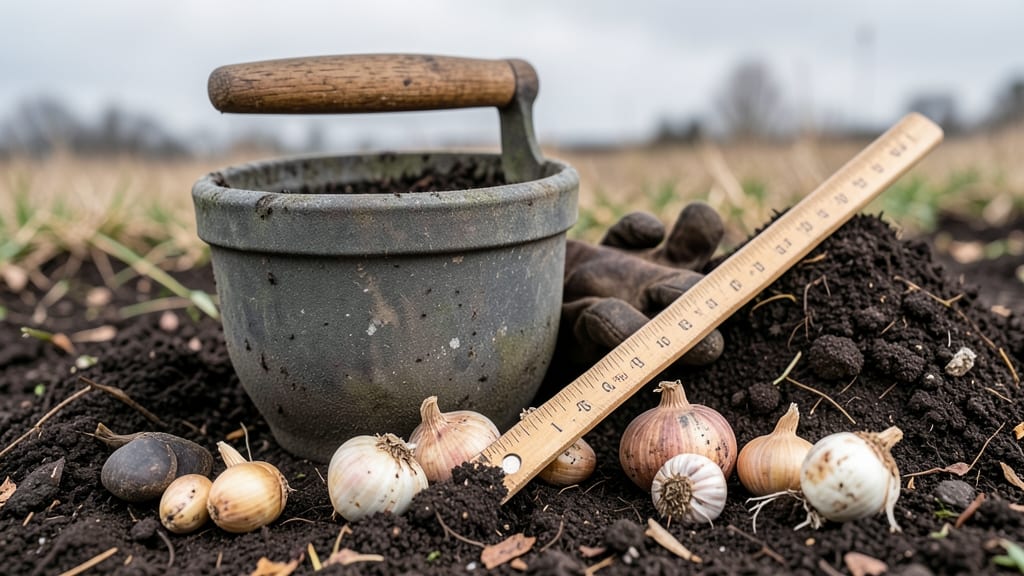
Plant bulbs in your garden when soil temperatures drop below 60°F and the moon is in its waxing phase for stronger roots and bigger blooms—a timing trick many gardeners overlook.
Did you know the moon’s phases can dramatically influence the success of your spring blooms? Planting bulbs at the wrong time—or ignoring lunar cycles—could mean weaker flowers, slower growth, or even failed blooms.
In USDA Zone 6a, like much of the Midwest, the ideal window for fall planting is 6-8 weeks before the first frost—typically late September to early October. For spring bloomers, this means they’ll push through the soil just as temperatures rise and daylight stretches.
Below, I’ll break down the exact moon phases to target, how to adjust for your local frost dates, and the one simple soil trick that doubles your bulb’s survival rate—no guesswork involved.
Best moon phases for planting bulbs (and why it matters)
The moon’s gravitational pull isn’t just poetic—it directly affects how your spring-flowering bulbs grow. When you plant during the right lunar phase, you’ll see stronger roots, better water absorption, and vibrant blooms.
The science? The moon’s phases influence soil moisture and plant energy flow. Let’s break down the best windows for tulips, daffodils, and hyacinths to maximize your garden’s potential.
Most gardeners focus on seasonal timing (fall for spring bloomers), but the moon’s cycle adds another layer. Planting bulbs during the waning moon (after the full moon) helps roots grow deeper, while the waxing moon (before the full moon) boosts foliage and flower production.
This isn’t superstition—it’s rooted in gravitational physics and plant physiology.
Here’s the key: Spring-blooming bulbs (like tulips and daffodils) thrive when planted during the waning gibbous moon in fall or the waxing crescent moon in early spring. Summer-blooming bulbs (such as dahlias) prefer the waxing gibbous moon for optimal growth. Let’s dive into the details with this quick reference guide.
The waning moon (when the moon is shrinking) is ideal for planting root crops like bulbs because gravity pulls moisture downward, encouraging deeper root systems. This is especially critical for tulips and daffodils, which need strong roots to support their tall stems and heavy blooms.
Planting during this phase also reduces the risk of rot or fungal diseases by improving drainage.
Conversely, the waxing moon (when the moon is growing) is better for foliage growth and flower production. If you’re planting summer-blooming bulbs like dahlias or gladiolas, aim for the waxing gibbous phase to ensure lush, vibrant blooms.
The energy from the waxing moon promotes above-ground growth, which is perfect for bulbs that rely on strong stems to hold their flowers upright.
For fall planting (the best time for most spring-blooming bulbs), focus on the waning gibbous moon in late September or early October. This gives roots plenty of time to establish before winter.
In spring planting, the waxing crescent moon (just after the new moon) is ideal—it signals the start of the growing season and helps bulbs wake up from dormancy faster.
Pro tip: Use a lunar planting calendar to track phases. Many gardening apps (like Farmers’ Almanac) provide monthly moon phase guides. Mark your calendar for the next waning gibbous moon in fall—this is your best shot at showstopping spring blooms next year.
Even a few days off the ideal phase can make a difference in bulb strength and bloom quality.
Don’t overlook the new moon for planting shallow-rooted bulbs like crocuses. The new moon’s energy is focused on the earth, making it perfect for bulbs that need minimal root depth. Pair this with well-draining soil and a light layer of mulch to retain moisture without suffocating the bulb.
The combination of lunar timing and soil prep is what separates average blooms from garden showstoppers.
If you’re in a warmer climate (USDA zones 8–10), you can plant bulbs in winter during the waning moon for early spring color. The key is to plant when soil temps are below 60°F—this mimics the natural dormancy period bulbs need.
In colder zones (3–6), stick to fall planting and use the moon’s phases to your advantage for hardier root development
Seasonal planting calendar: when to plant bulbs by climate Zone
Timing is everything when it comes to planting garden bulbs. Miss the window, and you risk winter kill or weak blooms. Your USDA zone determines the perfect months to plant—whether you're prepping for spring blooms or summer color.
Let’s break it down by region so you can get those bulbs in the ground at the ideal time.
Most spring-flowering bulbs (like tulips and daffodils) need to be planted in fall, while summer-blooming bulbs (such as dahlias) go in early spring.
Soil temperature and frost dates are your best guides—aim for when the ground cools to 60°F or below in fall or warms to 50°F in spring. Here’s how to adjust for your zone.
🌱 PRO TIP: Use a soil thermometer to check temperatures before planting. In zones with early frosts (like Zone 3), you may need to plant bulbs as early as September—but wait until November in warmer zones (Zone 10).
| USDA Zone | Fall Planting (Spring Bloomers) | Spring Planting (Summer Bloomers) | Critical Deadline |
|---|---|---|---|
| Zones 3–4 | September–October | April–May (after frost) | 6–8 weeks before first frost |
| Zones 5–6 | October–November | March–April | 4–6 weeks before frost |
| Zones 7–8 | November–December | February–March | 2–4 weeks before frost |
| Zones 9–10 | December–January | January–February | Soil temp below 60°F |
🌿 Note: Adjust for local microclimates (e.g., urban areas may frost earlier).
If you’re in Zone 3 or 4, don’t wait until October to plant tulips or hyacinths. Early September is your best bet to ensure roots establish before winter.
In Zones 9–10, where winters are mild, you can plant bulbs as late as January—but avoid soggy soil to prevent rot.
For summer-blooming bulbs, like canna lilies or gladiolus, the rule flips: plant them in spring after the last frost. In colder zones (5–6), wait until soil warms to 60°F—usually April or May. In warmer zones (7–10), you can start as early as February.
Missed the fall window? Don’t panic. You can still plant spring bulbs in early spring, but expect slightly later—or smaller—blooms. The key is to plant them as soon as the ground is workable. For tender bulbs (like dahlias), wait until all frost risk has passed to avoid damage.
Mark your calendar and set reminders for your zone’s deadlines. A little planning now means vibrant blooms and fewer gardening headaches later. Happy planting! 🌷