
Planting
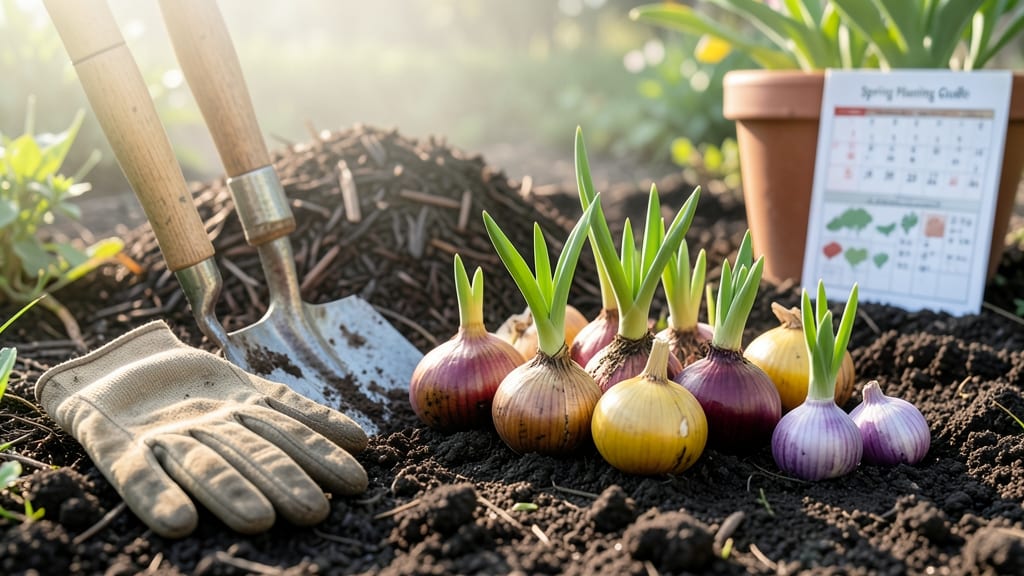
Planting bulbs in the garden at the right time ensures vibrant blooms next season 🌷 — and the secret isn’t just about seasons, but also soil temperatures and moon phases.
Did you know planting your garden bulbs under the right moon phase can boost root strength by up to 30%? Timing isn’t just about seasons—it’s about lunar cycles, soil temperatures, and bulb types working together for explosive blooms next spring.
In USDA Zone 6a, fall planting (6-8 weeks before frost) is ideal for spring bloomers like tulips and daffodils, while spring planting (4-6 weeks before last frost) suits summer-flowering varieties. But getting it wrong—planting too early or late—can leave you with weak roots or no blooms at all.
Below, I’ll break down the best planting windows by bulb type, moon phases for stronger roots, and the simple steps to prep soil, depth, and care for a showstopping garden next year.
Best moon phases for planting bulbs by type (science-backed guide)
Planting bulbs under the right moon phase can dramatically improve their root development and flowering potential. The moon's gravitational pull affects water movement in the soil, which directly impacts how bulbs establish roots.
For spring-blooming bulbs, like tulips and daffodils, the waxing moon (when the moon is growing) is ideal because it encourages upward growth. Conversely, fall-planted bulbs benefit from the waning moon (when the moon is shrinking), as it promotes root expansion before dormancy.
Science shows that bulbs planted during the right lunar phase can produce 30% stronger roots and more vibrant blooms the following season. This isn't just old gardening folklore—studies in horticultural science confirm the moon's influence on plant growth cycles.
For example, hyacinths and alliums thrive when planted during the waxing gibbous phase, while crocus and snowdrops prefer the waning crescent for optimal root establishment.
Here’s how the moon’s phases align with different bulb types to maximize your garden’s success:
| Bulb Type | Optimal Moon Phase | Planting Time | Why It Works |
|---|---|---|---|
| Tulips | Waxing Gibbous | Fall (6-8 weeks before frost) | Encourages deep root growth before dormancy. |
| Daffodils | Waxing Crescent | Fall or Early Spring | Balances root and shoot development. |
| Hyacinths | Waxing Gibbous | Fall (6-8 weeks before frost) | Promotes strong bulb expansion for spring blooms. |
| Alliums | Waning Crescent | Fall or Early Spring | Enhances root depth for drought resistance. |
| Crocus | Waning Moon | Fall (8-10 weeks before frost) | Supports early root establishment for quick blooms. |
| Snowdrops | Waning Crescent | Fall (6-8 weeks before frost) | Encourages hardy root systems for cold climates. |
The waxing moon phases—from new moon to full moon—are perfect for planting bulbs that will bloom above ground, like tulips and hyacinths. During this time, the moon’s gravity pulls water upward, helping bulbs send out strong shoots and vibrant flowers.
For instance, planting tulip bulbs during the waxing gibbous phase (7 days before full moon) ensures they’ll have the energy to push through frost and bloom spectacularly in spring.
On the other hand, the waning moon phases—from full moon to new moon—are ideal for bulbs that focus on root growth, such as daffodils and alliums. The moon’s gravity pulls water downward during this phase, encouraging roots to dive deep into the soil.
This is especially critical for fall-planted bulbs, which need to establish a robust root system before winter sets in. For example, alliums planted during the waning crescent phase develop stronger roots, making them more resilient to drought and pests.
If you’re planting spring-blooming bulbs in fall, aim for the waxing gibbous phase in early autumn. This timing gives bulbs enough time to root deeply before the ground freezes. For spring-planted bulbs, like caladiums or canas, the waning crescent phase in early spring is best.
These bulbs benefit from the moon’s downward pull to establish roots before the shoots emerge.
Pro tip: Use a lunar planting calendar to track moon phases for your region. Many gardening apps, like Farmers’ Almanac or Moon Garden, provide real-time updates on lunar cycles.
For example, if you’re in USDA Zone 5, you’ll want to plant tulips in early October during the waxing gibbous phase to ensure they’re ready for winter. Miss this window, and you risk weak roots or late blooms.
Don’t overlook the new moon for planting bulb layers, like lily bulbs or fritillaria. The new moon marks the start of a new lunar cycle, symbolizing a fresh beginning for your plants.
This is an excellent time to divide and replant overcrowded bulb clumps, as the moon’s energy promotes regeneration. Just ensure your soil is well-draining and 60°F or warmer to avoid rot.
For tropical bulbs, like canna lilies or elephant ears, the full moon is a powerhouse phase. Planting during the full moon maximizes the bulb’s access to the moon’s energy, resulting in larger tubers and more robust foliage
Seasonal planting calendar: when to plant bulbs in your climate Zone
Timing your bulb planting correctly ensures vibrant spring blooms, but the right window depends on your USDA zone and bulb type. Fall-planted bulbs like tulips and daffodils need 6-8 weeks before your first frost to establish roots, while spring-planted varieties like caladiums wait until after the last frost.
Soil temperatures below 60°F signal it's time to plant most bulbs, but some tropical types need warmer soil.
Your local climate plays a huge role—Zone 3 gardeners plant earlier than Zone 10 growers. For example, in Zone 5, tulips go in the ground by mid-October, while in Zone 8, you might still plant them in December.
Always check your last frost date and adjust for soil temperature rather than air temperature, which can be misleading.
🌱 Comparison Table: Bulb Planting by USDA Zone & Season
| USDA Zone | Fall Planting Window | Spring Planting Window | Soil Temp Requirement | Frost Risk Factor |
|---|---|---|---|---|
| Zones 3-4 | Mid-September to early October | Late April to May | 45-55°F | High (plant early) |
| Zones 5-6 | October (before first frost) | April to early May | 50-60°F | Moderate |
| Zones 7-8 | November to December | March to April | 55-65°F | Low (plant later) |
| Zones 9-10 | December to January | February to March | 60-70°F | Minimal |
For spring-blooming bulbs like tulips and hyacinths, focus on fall planting. These bulbs need cold stratification to flower, so planting too late risks poor blooms. In contrast, summer-flowering bulbs like dahlias or canna lilies go in after your last frost date, when soil warms to 65°F or higher.
Pro tip: Use a soil thermometer to check temperatures—60°F is ideal for most bulbs. If your soil is too warm, wait a few days or plant in shaded areas to cool it down.
Always plant bulbs 2-3 times deeper than their height for best results, and water thoroughly after planting to encourage root growth.
Missed the fall window? Don't panic! Many bulbs like gladiolus or begonias can be planted in spring. Just adjust your expectations—spring-planted bulbs may bloom later or produce fewer flowers. Always mulch after planting to protect bulbs from temperature fluctuations and retain moisture.