
Planting
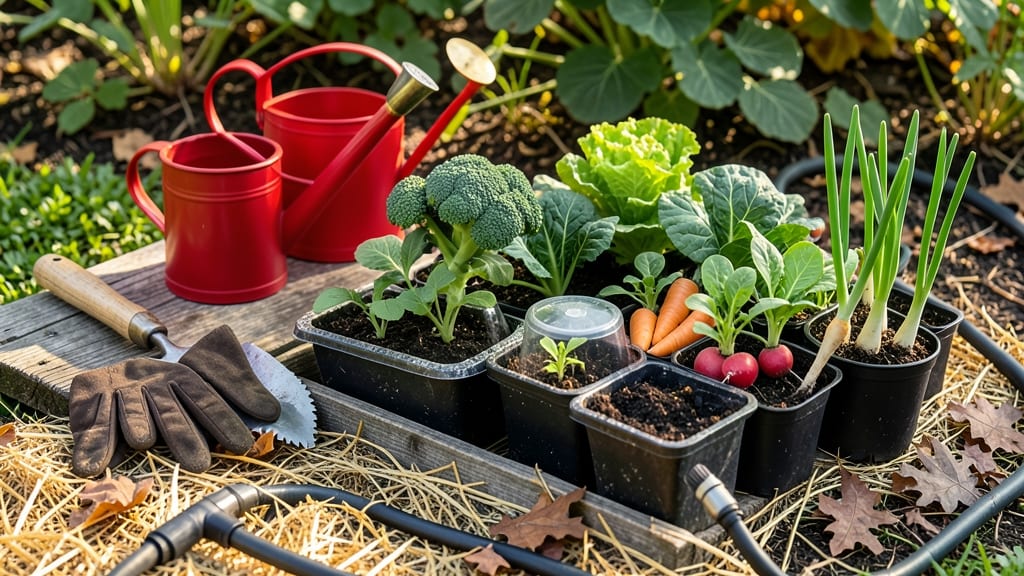
Planting a fall garden in Central Texas means starting now—before the heat fades but after the monsoon rains taper off.
Central Texas gardeners know the summer heat can be brutal—but with the right timing, you can still grow a thriving fall garden without waiting for frost. The key? Planting heat-tolerant crops strategically to maximize yields before winter arrives.
Most gardeners mistakenly wait until September, only to rush planting when soil temperatures drop. But the ideal window is late July through early August, when soil stays warm enough for quick germination while avoiding the worst of the summer scorch.
In this guide, I’ll break down the exact planting timeline for Central Texas, the best heat-tolerant crops to prioritize, and how to adjust for your microclimate—so you can harvest well into November.
Central Texas fall planting timeline: exact dates for heat-tolerant crops
Central Texas gardeners face a unique challenge: scorching summer heat followed by unpredictable fall frost. But with precise timing, you can grow a productive fall garden without waiting for cooler temperatures.
The secret lies in planting heat-tolerant crops early enough to establish strong roots before first frost—typically between November 15 and December 15 in most of Central Texas.
Unlike traditional fall gardens that wait for cooler weather, this strategy focuses on crops that thrive in 85-95°F soil temperatures and can handle brief heat waves.
By starting in late August, you'll give plants like okra, sweet potatoes, and collard greens a 6-8 week head start before winter arrives. This approach maximizes your harvest window while avoiding soil-borne diseases that flourish in damp fall conditions.
Here's your month-by-month planting schedule, tailored to Central Texas's USDA Zone 8a-8b climate. Each crop is selected for its ability to withstand residual summer heat while maturing before frost.
| Month | Heat-Tolerant Crops | Soil Temp | Planting Window | Harvest Window | Key Notes |
|---|---|---|---|---|---|
| Late August | Okra, Sweet Potatoes, Black-Eyed Peas | 85-95°F | Aug 20 - Sep 5 | Oct 15 - Nov 30 | Direct sow after soil cools slightly |
| Early September | Cowpeas, Malabar Spinach, Amaranth | 80-88°F | Sep 1 - Sep 15 | Oct 10 - Dec 1 | Tolerates light frost; fast-growing |
| Mid-September | Collard Greens, Mustard Greens, Turnips | 75-85°F | Sep 15 - Oct 1 | Nov 1 - Dec 15 | Transplant seedlings for faster growth |
| Late September | Kale, Swiss Chard, Radishes | 70-80°F | Sep 25 - Oct 10 | Nov 15 - Jan 15 | Cold-hardy; sweeter after frost |
| October | Broccoli, Cabbage, Lettuce (Heat-Tolerant Varieties) | 65-75°F | Oct 1 - Oct 20 | Dec 1 - Jan 31 | Use shade cloth if temperatures spike |
For okra and sweet potatoes, start seeds indoors in early August to transplant outdoors by mid-August. These crops need 60-90 days to mature, so timing is critical. Use black plastic mulch to retain soil heat and accelerate growth during cooler fall nights.
When planting collard greens and kale, focus on transplanting rather than direct sowing. Seedlings establish faster and can handle brief frost events better than seeds. Space them 12-18 inches apart to allow airflow and prevent fungal diseases like downy mildew.
Monitor your local frost dates using the National Weather Service or Texas A&M AgriLife resources. In Austin, the average first frost occurs around November 22, while San Antonio typically sees frost by November 15.
Adjust your planting dates 2-3 weeks earlier if you're in higher-elevation areas like Hill Country.
Best heat-tolerant crops for Central Texas fall gardens (ranked by success)
Central Texas summers are long and hot, but that doesn't mean your fall garden has to suffer. The secret lies in choosing heat-tolerant crops that thrive when temperatures remain warm. These varieties outperform traditional cool-season plants by continuing to grow well even as summer lingers into September or October.
The right selections can give you a harvest well into winter before frost arrives.
Unlike northern regions where gardeners wait for first frost dates, Central Texas gardeners must work with a different timeline. Our last frost dates average around mid-December in most areas, but heat can persist much later.
By selecting crops that handle 90°F+ temperatures, you extend your growing season without sacrificing yield or quality.
Here are the top 10 heat-tolerant crops ranked by their success in Central Texas fall gardens, based on growth speed, yield potential, and disease resistance in our climate:
Okra tops the list because it not only handles 95°F+ temperatures but actually produces better pods in