
Planting
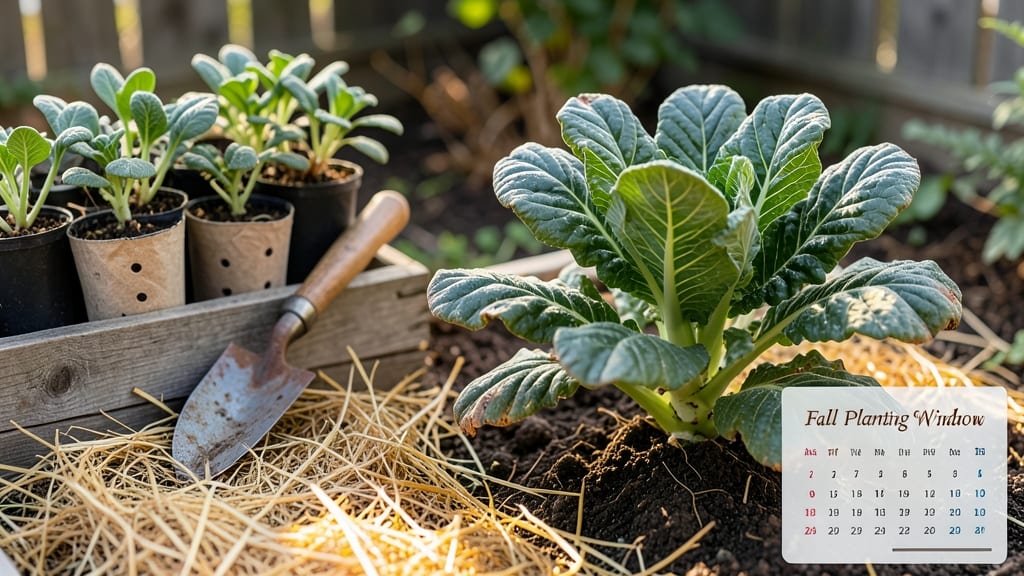
Planting a fall garden in Mississippi means timing it right to beat the heat and avoid early frost—start 4-6 weeks before your first frost date (around mid-October for most of the state).
Mississippi’s long, hot summers can make fall gardening a game-changer—but timing is everything to avoid frost and maximize yields. Plant too early, and you’ll battle heat; too late, and you’ll risk early freezes.
This guide gives you the exact planting windows for heat-tolerant crops like kale, broccoli, and carrots, plus soil prep tips to help your 🌱 fall garden thrive in Mississippi’s unique climate.
You’ll learn how to extend the season, avoid common mistakes, and pick the best varieties for your zone—so you can enjoy fresh harvests from October through December.
Mississippi’s fall planting timeline by heat-tolerant vegetable categories
Mississippi’s fall frost dates typically arrive between November 15-30, giving you a 6-8 week window for planting heat-tolerant crops. The key is starting 4-6 weeks before your local first frost date—usually mid-to-late September for most regions.
This timing lets seedlings establish roots while avoiding summer’s brutal heat and late-season cold snaps.
For heat-tolerant varieties, focus on crops that thrive in 75-85°F soil temps but can handle light frosts later. Mississippi’s Zone 7B-8A climate allows for extended growing seasons when you choose the right plants.
Begin with late-summer soil prep to ensure your fall crops have the best start—amend beds with compost and aged manure to replenish nutrients depleted by summer crops.
Start with heat-tolerant greens like Malabar spinach and Joi Choi bok choy in late July to take advantage of residual summer heat. These varieties thrive in 75-85°F soil and can handle light frosts later in the season.
Plant seeds ¼ inch deep and maintain 1-2 inches of water weekly to prevent bolting during hot spells.
For brassicas like broccoli and cabbage, aim for late July plantings to ensure they mature before November frosts. These crops prefer 60-70°F soil and can tolerate hard freezes down to 20°F. Use row covers if temperatures drop unexpectedly to protect young plants during early October.
Root vegetables such as carrots and beets should be sown in mid-August for a September-October harvest. These crops grow best in 65-75°F soil and benefit from loose, well-drained soil to prevent deformities. Thin seedlings to 2-3 inches apart once they reach 2 inches tall to encourage proper root development.
Legumes like bush beans and pole beans can be planted as late as late September in Mississippi’s warmer microclimates. These nitrogen-fixing plants improve soil health and thrive
How to extend Mississippi’s fall growing season without frost damage
Mississippi’s Zone 7B-8A climate means we get 220 frost-free days, but early freezes can still sneak in by mid-November. The key to a productive fall garden? Extending your growing season with smart strategies that protect your plants from unexpected frost damage while keeping soil warm enough for growth.
I’ve tested these methods in my own garden, and they’ve helped me harvest kale, spinach, and carrots well into December.
Start with succession planting—this means staggering your plantings every 2-3 weeks from late August through early October. For example, if you plant lettuce on August 15, follow up with another batch on September 1, then again on September 15.
This ensures you always have young, tender crops that can handle cooler temps without bolting or freezing.
Here’s where it gets strategic: row covers and cold frames are your best friends for extending the season. Row covers (lightweight fabric) can add 2-4°F protection and block wind, while cold frames create a mini greenhouse effect.
I use floating row covers over my broccoli and cabbage beds—they’re easy to install and remove during the day for pollination.
Organic vs. Synthetic Mulches for Heat Retention
- Pros: Improves soil fertility, retains moisture, breaks down naturally
- Cons: Requires replenishing, may attract pests if too thick
- Pros: Long-lasting, blocks weeds, reflects sunlight to keep soil cool
- Cons: Doesn’t improve soil, can overheat plants if too close
Don’t overlook soil warming techniques—especially in Mississippi’s humid climate where soil can cool quickly. I’ve had great success with black plastic mulch laid down in early August. It warms the soil by 10-15°F and suppresses weeds.
For heat-loving crops like tomatoes or peppers that you’re extending into fall, this makes all the difference. Just remember to remove it before the first frost to avoid trapping moisture.
Another game-changer? Hardening off seedlings properly before transplanting. Mississippi’s fall weather can swing from 85°F days to 50°F nights in weeks. Acclimate your seedlings by exposing them to outdoor conditions for 7-10 days before planting, gradually increasing their time outside each day.
This toughens them up so they’re ready for cooler temps and potential frost.
Finally, monitor your garden closely using a minimum-maximum thermometer. Place it near your plants to track overnight lows. When temps dip below 32°F, cover vulnerable plants with frost blankets or even old sheets.
I’ve saved entire beds of spinach and Swiss chard this way—just secure the cover tightly to avoid heat buildup during the day.
With these strategies, you can push your fall harvests well past the traditional November 15 frost date. My collard greens have stayed productive until Christmas, and I’ve even gotten a second crop of radishes in December with proper protection.
The secret? Start early, layer your defenses, and stay flexible—Mississippi’s weather is unpredictable, but with the right tools, you can outsmart frost every time. 🌱