
Planting
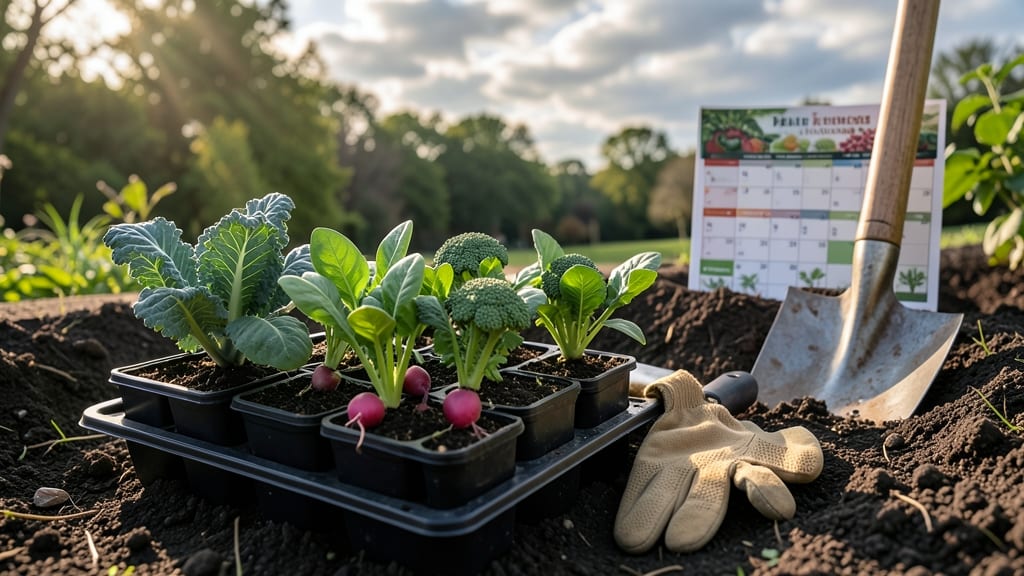
Planting your fall garden in Missouri between August and October sets you up for a harvest just before the first frost—if you time it right.
Missouri’s unpredictable frost dates can turn a thriving fall garden 🌾 into a frozen disappointment—but timing your plantings correctly ensures a bountiful harvest before winter sets in.
With USDA Zone 6a and average first frosts around mid-October, you’ve got a 4-6 week window before hard freezes hit. That means cool-season crops like broccoli, kale, and carrots need to go in the ground by early September at the latest.
Below, I’ll break down the exact deadlines by crop type, how to adjust for early or late frosts, and the top 5 fall crops that thrive in Missouri’s climate—plus a few mistakes to avoid.
Missouri’s fall planting deadlines by USDA Zone and frost risk
Missouri’s USDA zones 5-7 experience variable frost dates, making precise timing critical for fall gardens. Most regions see their first frost between October 15-30, but microclimates—like urban areas or hilltops—can shift this by 1-2 weeks.
Plan your cool-season crops 8-12 weeks before your average frost date to ensure harvests before winter sets in.
For Zone 5 (northern MO), aim to plant by mid-August for most vegetables, while Zone 7 (southern MO) can extend deadlines until early October.
However, early frosts (like the 2020 October freeze) can strike weeks ahead of schedule, so always have row covers ready to protect tender crops like spinach or lettuce.
Here’s how to adjust for early vs. late years: Check the National Weather Service’s 10-day forecast 2 weeks before your target planting date.
If frost is predicted within 4 weeks, prioritize fast-maturing varieties (e.g., ‘Early Wonder’ broccoli, ‘Baby’s Leaf’ lettuce) or use cold frames to extend harvests.
Missouri’s fall garden staples—like kale, carrots, and Brussels sprouts—thrive when planted 4-6 weeks before frost. These crops not only survive light frosts but sweeten in cold weather, making them ideal for late-season harvests.
Meanwhile, radishes and turnips mature in just 25-30 days, perfect for succession planting every 2 weeks.
🌱
To maximize your fall garden’s potential, start with soil prep in July. Amend beds with compost and a balanced fertilizer (5-10-10) to replenish nutrients after summer’s heat.
Test your soil pH—most fall crops prefer 6.0-7.0—and adjust with lime or sulfur if needed. Loose, well-draining soil is critical for root crops like carrots and parsnips, which can split or fork in compacted earth.
For urban gardeners or those with limited space, focus on compact varieties like ‘Little Gem’ lettuce or ‘Paris Market’ carrots. Container gardens can also thrive if you use large pots (12+ inches deep) and high-quality potting mix.
Just be sure to water consistently, as containers dry out faster than in-ground beds.
If you’re new to fall gardening, begin with easy-to-grow crops like radishes (ready in 3 weeks) or bush beans (harvest in 50 days). These offer quick wins while you learn your local frost patterns.
Over time, experiment with Brussels sprouts or winter kale, which reward patience with harvests lasting until December.
Remember: Missouri’s fall weather can be deceptive. A warm September might trick you into delaying plantings, but nighttime temps dropping into the 40s°F can stunt growth.
Monitor soil temperatures—ideal for fall crops is 45-75°F—and avoid planting when soils are below 50°F, as seeds may rot or fail to germinate.
🌿
How to extend your fall garden season with row covers and succession planting
Missouri’s fall frost dates can sneak up faster than you think, but with the right strategies, you can keep harvesting well into November. Row covers and succession planting are my top tools for beating back winter.
These methods protect tender plants while giving you multiple harvests from the same garden space.
Start by identifying your last frost date—typically around October 15th in Missouri. Then, work backward: most cool-season crops need 4-6 weeks to mature. For example, radishes can be ready in 25 days, while Brussels sprouts need 90 days or more.
This timing ensures you’re harvesting before hard freezes hit.
Missouri’s microclimates vary wildly—urban areas like St. Louis (Zone 6b) frost earlier than rural Southeast Missouri (Zone 7a). Check your local frost date (e.g., October 1-15 for most areas) and adjust planting 2 weeks earlier if you’re in a colder pocket. Late plantings risk stunted growth, even with row covers.
For row covers, use frost blankets or floating row covers to shield plants from light frosts (28-32°F). These work best for lettuce, spinach, and kale, which can tolerate 20-25°F with protection.
Install covers in the afternoon to avoid trapping heat during the day, which can stress plants.
Succession planting is my secret weapon for continuous harvests. Sow fast-growing crops like radishes, bush beans, or turnips every 2 weeks starting in late July. This ensures you’re always pulling fresh produce while older plants mature.
For example, plant a row of radishes on July 30, another on August 15, and a final one on September 1—each will be ready just as the previous batch finishes.
Not all crops play well with frost. Peas and cabbage can handle light freezes, but peppers and tomatoes will bolt or rot. Instead, focus on Brussels sprouts, carrots, and garlic, which thrive in cooler temps. Use this 4-step checklist for late-season care:
- Test soil temps—ideal for fall crops is 50-65°F.
- Apply row covers at dusk during frost warnings.
- Water deeply 2-3 times weekly to prevent stress.
- Harvest regularly to encourage new growth.