
Planting
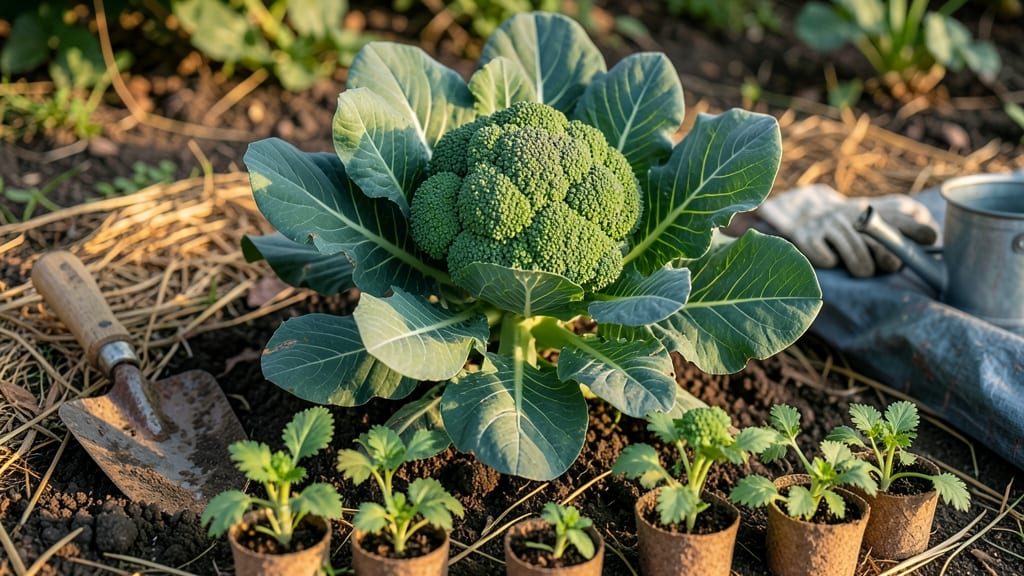
Planting a fall garden in North Texas means starting seeds and transplants 8-10 weeks before your first frost—usually mid-July to early August for most of the region.
North Texas gardeners know timing is everything—plant too early, and your fall crops will bolt in the summer heat; too late, and frost will ruin your harvest. But with the right heat-tolerant varieties and planting schedule, you can enjoy a thriving garden from September through December.
This isn’t just about avoiding frost—it’s about working with North Texas’s long, hot summers and early freezes. The key is choosing crops that handle the heat while still maturing before temperatures drop, like okra, sweet potatoes, and malabar spinach.
In this guide, I’ll break down the exact planting windows for your zone, soil prep tricks to beat the summer heat, and how to stretch your harvest until Christmas—no guesswork, just proven results for North Texas gardens.
Optimal planting dates for fall vegetables in North Texas (zone 8a-8b)
North Texas's hot summers and early frosts create a tight window for fall gardening. The key is planting heat-tolerant crops early enough to establish roots but late enough to avoid summer bolting.
For most of North Texas, the first frost typically arrives between November 15 and December 15, depending on your location—Dallas averages November 25, while Austin leans closer to November 10.
To maximize your harvest, start with soil temperature thresholds. Most fall vegetables thrive when soil temps are between 60°F and 75°F.
In North Texas, this usually means planting begins in mid-August for heat-loving crops like okra and sweet potatoes, while cooler-season crops like kale and broccoli can wait until late August to early September.
Moon phases also play a role in seed germination and transplant success. Planting during the waxing moon (when the moon is growing) encourages above-ground growth, ideal for leafy greens and herbs.
For root vegetables like carrots or beets, aim for the waning moon to promote root development. Check a moon phase calendar for your planting dates to align with these cycles.
For succession planting, consider sowing fast-growing crops like radishes or turnips every 2–3 weeks from late August through early October. This ensures a continuous harvest before frost sets in. If
Top 7 heat-tolerant fall crops for North Texas gardens (and how to extend their season)
North Texas summers can be brutal, but with the right heat-tolerant crops, you can still enjoy a productive garden well into fall. These 7 heat-resistant varieties thrive when temperatures hover around 90°F+ and provide harvests even as frost approaches.
The key is selecting varieties bred for long, hot seasons and using simple techniques to delay frost damage.
One of my favorite tricks is succession planting every 2-3 weeks, which ensures a continuous harvest. Pair that with mulching and row covers, and you'll extend your growing season by 4-6 weeks. Let's dive into the top performers that will keep your garden thriving until December.
🌱 Numbered Highlights: Planting & Care Tips
- 1. Okra - Plant late July to early August. Thrives in 95°F+ heat. Harvest pods 3-4 inches long for best texture.
- 2. Sweet Potatoes - Start slips mid-July. Needs full sun and well-draining soil. Cure harvested tubers at 85°F for 10 days.
- 3. Malabar Spinach - Sow seeds late July. Grows well in partial shade and tolerates light frosts. Harvest leaves as needed.
- 4. Black-Eyed Peas - Plant late August. Prefers 60-70°F soil. Stake plants to support heavy pods.
- 5. Cowpeas - Direct sow early September. Fixes nitrogen in soil. Harvest pods when firm and plump.
- 6. Swiss Chard - Transplant late August. Tolerates light frosts. Harvest outer leaves first to prolong harvest.
- 7. Amaranth - Sow seeds mid-August. Thrives in poor soil and hot conditions. Harvest young leaves or seed heads.
For okra, I always pair it with cowpeas and sweet potatoes—they share similar growing conditions and companion benefits. The okra's deep roots help break up compacted soil, while cowpeas add nitrogen to the mix.
This trio works beautifully in raised beds or in-ground plots with 6+ hours of sun daily.
Extending the season requires a few simple but effective strategies. First, apply 2-3 inches of straw mulch around plants to insulate roots and retain moisture. Next, use floating row covers on sensitive crops like malabar spinach when nighttime temps drop below 50°F.
Finally, consider cold frames for leafy greens like Swiss chard to push harvests into early December.
Don't forget about succession planting—this is your secret weapon for a continuous harvest. For example, sow black-eyed peas every 2 weeks from late August through early September. Each new batch will mature just as the previous one is ready to harvest, giving you 6-8 weeks of fresh pods.
The same strategy works for amaranth and cowpeas, too.
When frost finally arrives (typically mid-November in North Texas), focus on harvesting leafy greens like malabar spinach and Swiss chard before they bolt. For root crops like sweet potatoes, dig them up 2 weeks before the first expected frost and cure them indoors.
With these heat-tolerant crops and season-extending techniques, you'll enjoy a bountiful fall harvest long after your neighbors' gardens have gone dormant.