
Planting
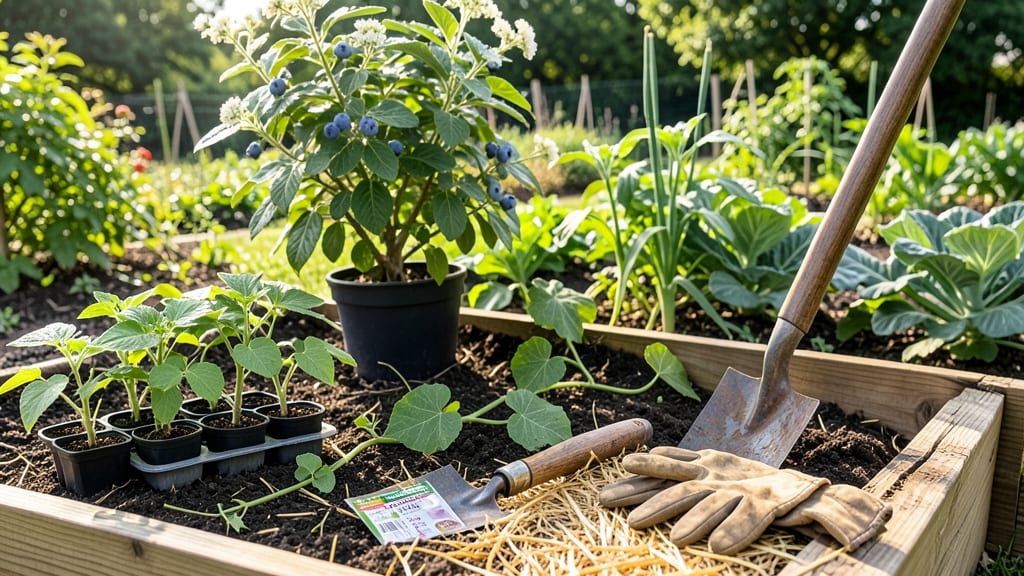
Planting a garden in Arkansas at the right time means the difference between a bountiful harvest and a lost season — and with frost dates shifting from March in the Delta to May in the Ozarks, timing is everything.
Arkansas gardeners know timing is everything—plant too early and risk frost damage, too late and miss peak harvests. But with the state’s diverse climate zones, figuring out the perfect planting window can feel overwhelming.
Cool-season crops like lettuce and peas thrive when soil temperatures hit 40°F, while tomatoes and peppers need warm earth to germinate. In this guide, we’ll break down the exact frost dates for USDA zones 6b-8a, plus when to start seeds indoors and transplant outdoors for your region.
You’ll walk away with a month-by-month planting schedule, soil prep tips, and how to adjust for Arkansas’ unpredictable weather—so you can finally grow that dream garden without the guesswork.
Arkansas frost dates by hardiness zone: when to plant cool-season vs warm-season crops
Arkansas spans USDA zones 6a through 8a, creating dramatic differences in frost dates across the state.
In the northern hills of zone 6a, gardeners face earlier last frosts (March 15-April 1), while southern Delta regions in zone 8a enjoy last frosts as late as March 1-April 15.
These variations mean your cool-season crops like lettuce and broccoli can thrive in early spring or late fall, while warm-season plants like tomatoes need to wait until soil warms.
Understanding your specific frost dates is critical—planting cool-season crops too late or warm-season crops too early can ruin your harvest. For example, zone 7a (covering much of central Arkansas) has an average last frost of March 22, giving you a 150-180 day growing season for warm-season vegetables.
Meanwhile, zone 8a gardeners can push their seasons even longer, sometimes extending into November harvests for heat-tolerant crops.
Here’s how to use this frost date guide for your Arkansas garden: Start by identifying your hardiness zone, then reference the planting windows below.
For cool-season crops, aim to plant 4-6 weeks before your last frost date, while warm-season crops need soil temperatures above 60°F and no frost risk for at least 2 weeks.
| USDA Zone | Avg Last Frost | Cool-Season Planting Window | Warm-Season Planting Window | Example Crops |
|---|---|---|---|---|
| 6a (Northern AR) | March 15-April 1 | Feb 15-Mar 15 (spring) / Aug 15-Sep 15 (fall) | April 15-May 15 (after soil >60°F) | Lettuce, peas, tomatoes, peppers |
| 7a (Central AR) | March 22-April 5 | Feb 28-Mar 22 (spring) / Aug 30-Sep 15 (fall) | April 1-May 10 | Spinach, broccoli, cucumbers, okra |
| 7b (Central AR) | March 30-April 10 | Mar 1-Mar 25 (spring) / Sep 1-Sep 20 (fall) | April 10-May 15 | Kale, carrots, eggplant, sweet potatoes |
| 8a (Southern AR) | March 1-April 15 | Feb 15-Mar 30 (spring) / Sep 15-Oct 15 (fall) | March 15-May 20 | Radishes, Swiss chard, melons, peppers |
For cool-season crops, focus on spring and fall plantings. In zone 6a, you can start spinach and peas as early as February, while zone 8a gardeners can enjoy fall greens until October.
These crops thrive in cooler temperatures (50-75°F) and often bolt or turn bitter in summer heat. Use row covers to extend your fall harvest into November if needed.
Warm-season crops like tomatoes, peppers, and squash need consistent warmth and no frost risk. In zone 6a, wait until mid-April to plant, while zone 8a gardeners can start as early as mid-March.
Always check soil temperature—warm-season plants won’t germinate in cold soil (<50°F). Use a soil thermometer to confirm readiness, especially for heat-loving crops like okra or sweet potatoes.
Microclimates can shift your planting windows by 2-4 weeks. A south-facing slope warms up faster than a
Best planting schedule for Arkansas gardens: month-by-month calendar for vegetables, flowers, and herbs
Arkansas gardeners have a short but productive growing season, so knowing the exact planting windows for each crop is key. Whether you're growing cool-season greens or heat-loving peppers, timing ensures healthier plants and bigger harvests.
I've broken down my month-by-month schedule to maximize your garden's potential, including succession planting tips for continuous yields.
Start by preparing your soil in early March—amend with compost and ensure good drainage. For container gardening, use lightweight mixes that warm up faster. Row covers can extend your fall planting by 4-6 weeks, protecting tender crops like lettuce and spinach from unexpected frosts.
- 1
- 2
- 3
- 4
- 5
- 6
For perennials, like asparagus or rhubarb, plant crowns in early spring (March-April) or early fall (September) for best root establishment. In container gardens, prioritize fast-maturing crops like bush beans or radishes—they thrive in limited space and warm up quickly.
Pro tip: Use soil thermometers to check if soil is warm enough (60°F+) for warm-season crops. In North Arkansas (Zone 6b), wait until mid-May for tomatoes, while South Arkansas (Zone 8a) can plant as early as late March. Adjust based on your microclimate!
Don’t forget to harvest regularly—this encourages more production. For example, bush beans should be picked every 2-3 days, while herbs like basil benefit from frequent trimming. With this schedule, you’ll enjoy fresh produce from spring to fall—even in Arkansas’s humid climate! 🌿