
Planting
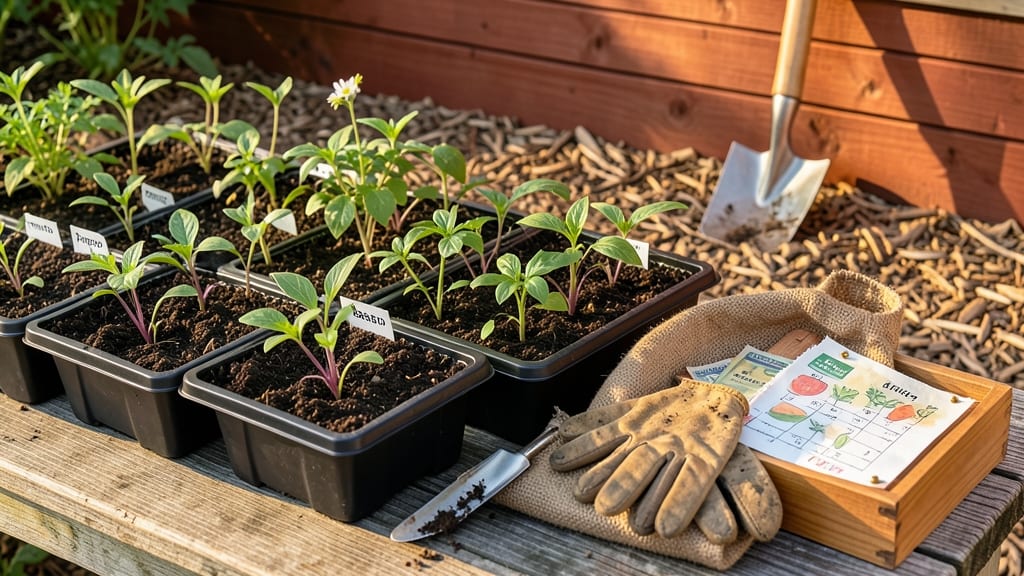
Planting your garden in Colorado depends on knowing when to plant to avoid late frosts that can wipe out seedlings in a single night.
Colorado’s unpredictable frost dates can turn a thriving garden into a frozen disappointment—but timing your planting just right ensures zero-frost risk for your most delicate crops.
With USDA zones 5-7 and elevation swings from 5,000 to 10,000 feet, the last frost date jumps from May 15 in Denver to June 15 in high-altitude areas like Boulder. That’s why your neighbor’s success in one valley doesn’t guarantee yours.
In this guide, I’ll break down the exact planting windows for vegetables, flowers, and perennials—plus soil prep tips and frost-proofing hacks to extend your growing season safely.
Colorado hardiness zones explained: when last frost dates vary by region
Colorado’s diverse elevations create a gardening puzzle—what thrives in Denver’s USDA Zone 5b may freeze in Colorado Springs’ Zone 6a, while Fort Collins’ Zone 4b demands earlier starts. These frost date variations determine whether your tomatoes, peppers, or basil survive or shrivel.
Understanding your local hardiness zone and last frost averages is the first step to a zero-frost-risk garden.
Most Colorado gardens fall within USDA Zones 5-7, but elevation shifts frost timelines dramatically. A 5,000-foot difference can mean 2-3 weeks earlier planting in lower valleys versus mountain towns.
For example, Grand Junction (Zone 6b) enjoys 140 frost-free days, while Leadville (Zone 4a) struggles with just 80 days. Knowing these regional deadlines helps you avoid late-spring surprises.
Here’s how to decode Colorado’s frost dates by city—critical for warm-season crops that refuse to tolerate cold snaps:
Notice how Colorado Springs enjoys a 30-day longer growing season than Fort Collins? That’s why peppers and tomatoes thrive in the Springs but need row covers in Northern Colorado.
For zero-frost crops, wait until 2 weeks after your city’s last frost date—especially if you’re planting basil or eggplants, which bolt at 50°F.
Fall frosts are just as critical. In Denver, the first frost hits October 5, leaving only 10 weeks for warm-season crops like cucumbers or squash. To extend harvests, use black plastic mulch or low tunnels to trap heat.
In Grand Junction, where frosts arrive November 1, you’ve got 3 extra weeks to grow heat-lovers.
Elevation adds another layer. Every 1,000 feet higher delays spring by 3-5 days and advances fall frost by 2-3 days. If you’re gardening in Manitou Springs (7,000 ft), subtract 10 days from Colorado Springs’ frost dates.
For high-altitude gardens, start cool-season crops like kale or spinach indoors 6-8 weeks early to transplant after frost risk passes.
Pro tip: Check Colorado State University’s frost maps annually—they update last frost averages every 5 years. A late May frost in 2023 can wipe out tomato seedlings planted too early, even if historical data says May 15. Always have row covers ready for unpredictable late frosts.
For zero-frost crops, align planting with your region’s 10% survival probability date—the safest bet. In Denver (Zone 5b), that’s May 30 for tomatoes; in Grand Junction (Zone 6b), it’s April 20. Use these dates as your hard cutoff for heat-loving plants.
🌱
Zero-frost risk planting calendar: month-by-month deadlines for Colorado’s most popular crops
Colorado’s short growing season and unpredictable frost dates demand precision when planting. My zero-frost risk strategy focuses on soil temperature thresholds and regional adjustments to protect heat-loving crops like tomatoes and peppers while maximizing cool-season harvests.
High-altitude areas like Boulder (6,000 ft) freeze earlier than Pueblo (4,700 ft), so timing matters more than ever.
For warm-season crops, wait until soil reaches 60°F—typically late May to early June in most of Colorado. Cool-season crops like spinach and kale can handle 4-6 weeks before last frost, often as early as mid-April in lower elevations.
Use these month-by-month deadlines to align your planting with Colorado’s frost-free windows.
🌱 Colorado Planting Deadlines by Month
- 📅 April (Cool-Season): Plant spinach, peas, lettuce, kale (4-6 weeks before last frost). Soil temp: 40-50°F.
- 📅 May (Transition Month): Start hardy warm crops (e.g., potatoes, onions) after May 15. Use row covers for tomato/pepper seedlings if nights dip below 50°F.
- 📅 June (Warm-Season Peak): Plant tomatoes, peppers, cucumbers, eggplants after soil hits 60°F (usually late June in Boulder, early June in Pueblo).
- 📅 July-August (Heat Tolerance): Sow beans, squash, melons for late-summer harvests. Succession plant basil, cilantro every 2 weeks.
- 📅 September (Fall Cool-Season): Plant broccoli, cabbage, radishes by mid-September for October harvests. Avoid warm-season crops after Labor Day.
Adjust for microclimates: South-facing slopes in Pueblo warm up faster than north-facing gardens in Boulder. I always test soil temperature with a soil thermometer—warm-season crops wilt if planted too early.
For container gardens, heat up soil faster by placing pots on dark mulch or black plastic.
Extend your harvest window by planting fast-maturing varieties (e.g., bush beans instead of pole beans) or using season extenders like hoop houses. In my Denver garden, I’ve successfully grown tomatoes until October by combining row covers and mulching.
Prioritize disease-resistant seeds—Colorado’s dry heat stresses plants differently than humid climates.
Remember: First frost risk isn’t just about dates—watch for late-spring frosts (common in May) and early-fall freezes (often by mid-October). I lost my eggplant seedlings one year to a September surprise frost—now I use frost cloth as a precaution.
Plan succession plantings for leafy greens every 2 weeks to ensure continuous harvests.
For herbs like basil, start seeds indoors in March and transplant after last frost. Perennials (e.g., asparagus, rhubarb) can go in early spring, but avoid disturbing roots if soil is waterlogged.
My high-altitude tip: Wait until June for peppers in Fort Collins—they thrive with longer daylight and warmer nights.