
Planting
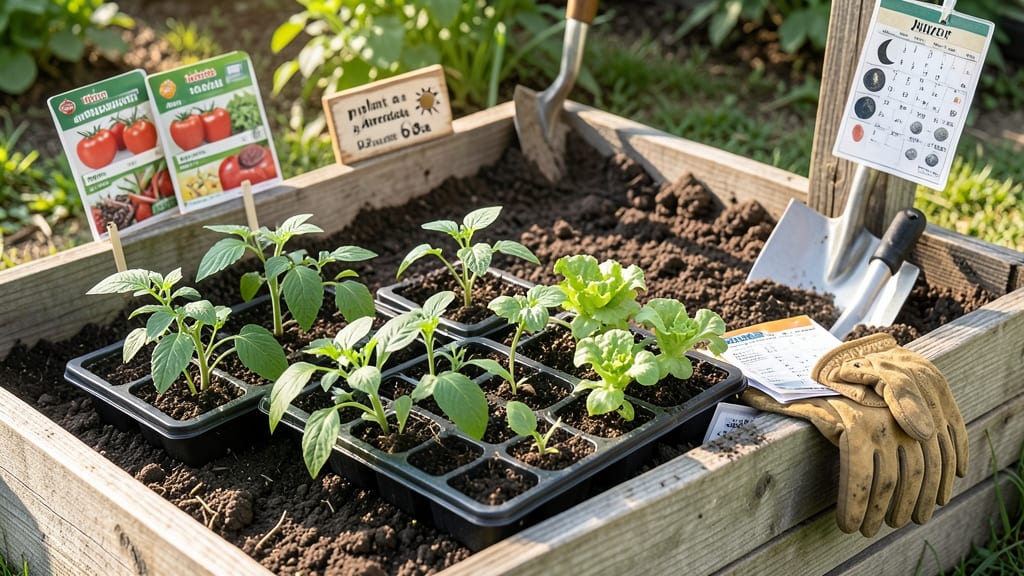
Planting a garden in Arkansas means timing your crops to avoid frost — and the best windows are late February to early April for spring and late July to early September for fall.
Missed planting season in Arkansas? Don’t worry—this state’s diverse microclimates mean you can grow zero-frost-risk crops year-round if you time it right. But when exactly should you plant for maximum success?
Arkansas spans USDA zones 7a-8b, so northern regions like the Ozarks need to wait for the last frost (March 15), while southern areas can start sooner. The key is soil temperature: 60°F+ for warm-season crops like peppers and melons.
Here’s how to align your planting with Arkansas’ climate, from cool-season greens in spring to heat-loving okra in summer—and why succession planting can add 3 extra harvests in a single year.
Arkansas planting zones & when to plant by microclimate
Arkansas spans USDA Hardiness Zones 6a through 8a, creating distinct planting windows across its northern and southern regions. The state’s diverse microclimates mean your planting schedule in Bentonville (Zone 7a) differs significantly from Little Rock (Zone 7b) or Texarkana (Zone 8a).
Understanding these zones helps you avoid frost damage and maximize your garden’s potential.
Northern Arkansas (Zones 6a-7a) typically experiences its last spring frost between March 15 and April 1, while southern regions (Zones 7b-8a) see frost-free conditions by March 1 to March 15. This 2-week difference impacts when you can safely plant warm-season crops like tomatoes and peppers.
Similarly, first fall frosts arrive earlier in the north (November 1-15) than in the south (November 15-30).
Here’s how to adjust your planting timeline based on Arkansas’ three key microclimates—northern highlands, central valley, and southern delta—plus a zero-frost crop window guide for year-round growing.
For northern Arkansas gardeners, focus on cool-season crops like lettuce and peas in early spring (February-March) and warm-season crops like okra and sweet potatoes after your last frost (April 15).
In the central valley, you can start warm-season crops like tomatoes and peppers as early as March 30, giving you a longer growing season. Southern Arkansas gardeners enjoy the longest zero-frost window, perfect for tropical crops like eggplant and basil planted as early as March 1.
Use these microclimate adjustments to fine-tune your planting schedule. For example, if you’re in Zone 6a, wait until April 15 to plant tomatoes, while Zone 8a gardeners can plant them by March 15.
Always check soil temperatures—warm-season crops need soil at 60°F or warmer—and monitor local forecasts for unexpected late frosts.
Pro tip: Southern Arkansas gardeners can grow year-round greens like kale and collards by planting in September-October for winter harvests. Meanwhile, northern gardeners should prioritize fast-maturing varieties to harvest before the first frost. The Arkansas Cooperative Extension Service offers localized frost data—check their resources for your specific county.
Don’t let Arkansas’ varied climate stress you out. By aligning your planting with these microclimate guidelines, you’ll enjoy a longer growing season and healthier plants. Start with cool-season crops in early spring, transition to warm-season favorites after frost, and take advantage of the zero-frost window for continuous harvests.
Ready to dive deeper? Next, we’ll cover the best zero-frost crops for Arkansas and their ideal planting months—including heat-loving favorites that thrive
Best zero-frost crops for Arkansas & their ideal planting months
Arkansas gardeners know that heat-tolerant crops thrive year-round when planted at the right time. Unlike frost-sensitive plants, these zero-frost-risk varieties can be sown or transplanted outside the traditional spring window. My top picks include okra, sweet potatoes, and black-eyed peas, which handle Arkansas' summer heat like champions.
Even herbs like basil and cilantro can be grown strategically to avoid bolting.
For maximum success, timing matters. Southern Arkansas' longer growing season (USDA zones 7b-8a) allows for earlier plantings than northern regions (6a-7a). I’ve broken down the best months for each crop, so you can plan your garden like a pro.
Whether you're a beginner or a seasoned gardener, these heat-loving plants will reward you with bountiful harvests—no frost worries included!
- Okra: Plant in April-May for summer harvests. Thrives in 90°F+ temperatures and needs well-draining soil. Ideal for southern Arkansas—start earlier in zone 8a.
- Sweet Potatoes: Begin slips in late May-early June after soil warms to 70°F+. Perfect for fall harvests (October-November) before first frost. Use black plastic mulch to speed up soil warming.
- Black-Eyed Peas: Sow seeds in March-April (northern AR) or February-March (southern AR). Re-sow every 2-3 weeks for continuous harvests. Tolerates light frosts but prefers warmth.
- Basil: Plant after last frost (April) or start indoors in March for transplanting. Pinch back flower buds to extend harvest. Grows best in partial shade during peak summer heat.
- Cilantro: Sow in fall (September-October) for winter harvests or spring (February-March) before bolting. Mulch with straw to retain moisture. Avoid direct summer sun—it causes bitter leaves.
- Pro Tip: Use row covers for early cilantro or basil plantings to protect from unexpected late frosts in northern Arkansas. Always check soil temperature with a probe—60°F+ is ideal for warm-season crops.
Don’t overlook fall planting for zero-frost crops! While spring gets all the attention, August-September is prime time for sweet potatoes and black-eyed peas. The cooler temperatures of late summer give these plants the perfect start before Arkansas’ first frost in November.
I’ve even had success with basil in late summer if I provide afternoon shade.
For herbs like cilantro, timing is everything. Plant in early spring or fall to avoid the bolting triggered by Arkansas’ long, hot summers. If you love fresh cilantro, try shade cloth during peak heat to keep leaves tender.
And remember: mulching with straw or grass clippings helps retain moisture and keeps roots cool.
If you’re new to growing heat-tolerant crops, start small with okra or sweet potatoes—they’re forgiving and reward patience. For herbs, basil is a must-have for Arkansas gardens, but cilantro requires more attention to timing. With these month-by-month guides, you’ll never miss a planting window again!
Pro tip: Mark your calendar for Arkansas Cooperative Extension’s frost dates—they update annually. And if you’re in zone 8a, you might even squeeze in a second basil crop in late summer for a fall harvest before frost sets in.