
Planting
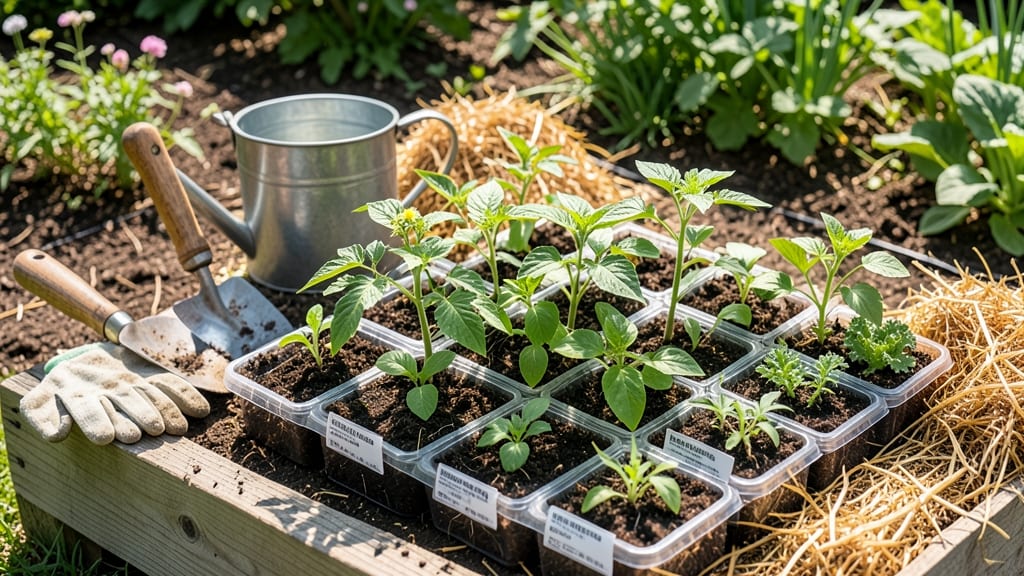
Planting a garden in Central Texas means timing your crops perfectly to beat the heat and avoid frost—start vegetables like tomatoes and peppers after April 15 when soil warms to 60°F.
Central Texas gardeners face a brutal growing season—scorching summers, unpredictable freezes, and short windows for planting—but timing your crops right can mean the difference between a thriving harvest and a total loss.
With 230 frost-free days, you’ve got just a few months to get heat-loving crops in the ground before the summer sun turns your soil into concrete. The key? Planting cool-season crops in fall and heat-tolerant varieties in spring.
In this guide, I’ll break down the exact dates for frost-sensitive plants, the best drought-resistant crops for your zone, and how to extend your harvest well into winter—no guesswork, just results.
Central Texas planting zones: exact dates for frost-sensitive vegetables (2024 guide)
Central Texas gardeners know the drill: one wrong move with frost dates, and your tomatoes or peppers turn into popsicles. With USDA Zones 8a-8b, we get short but intense growing seasons, where timing is everything.
The key? Planting frost-sensitive crops after the last frost and harvesting before the first freeze—usually between March 15 and November 15.
But here’s the catch: Austin, San Antonio, and Waco each have slightly different frost timelines. A 3-day difference can mean the difference between a bumper crop and a sad, wilted mess. Let’s break down the exact dates and the heat-tolerant veggies that thrive in our brutal summers.
| Location | Last Frost Date | First Frost Date | Frost-Free Days | Best Planting Window |
|---|---|---|---|---|
| Austin (Zone 8a) | March 15 | November 15 | 240 days | March 20 - April 15 (spring) / Aug 1 - Sept 15 (fall) |
| San Antonio (Zone 8b) | March 1 | December 1 | 270 days | March 10 - April 10 (spring) / Aug 15 - Sept 30 (fall) |
| Waco (Zone 8a) | March 20 | November 1 | 220 days | March 25 - April 20 (spring) / July 30 - Sept 10 (fall) |
For spring planting, wait until soil temps hit 60°F+—usually late March to early April. Okra and sweet potatoes are your best bets for early starts, as they handle heat like champs. Tomatoes and peppers, however, need to wait until after April 15 in most areas to avoid late-spring freezes.
In fall, the rush is on! Plant heat-lovers like malabar spinach and black-eyed peas by mid-August to harvest before frost. Broccoli and kale can handle cooler temps, so they get a second planting window in September.
Pro tip: Use mulch to keep roots warm during October’s unpredictable drops.
Here’s the hard truth: Peppers planted after June 1 often bolt or produce poorly in Central Texas heat. Tomatoes need consistent moisture—skip the sprinklers in July, or you’ll lose them to sunscald. Okra, on the other hand, thrives in 90°F+ and can be planted as late as June 15 for a fall harvest.
If you’re in Austin or Waco, mark your calendar for April 15—that’s your last call for tomatoes. San Antonio gardeners have a 2-week grace period, thanks to their later last frost. Succession planting every 2 weeks after that date ensures a steady harvest until October’s first chill.
Don’t forget soil prep: Central Texas clay bakes like a brick in summer. Amend with compost and organic matter to improve drainage, and water deeply at the base of plants—never overhead during peak heat. A drip irrigation system is your best friend here.
For emergency prep, keep row covers and frost blankets on hand. A sudden October freeze can wipe out your fall greens in hours. Monitor forecasts and be ready to cover crops by 8 PM if a 28°F warning pops up.
Timing your Central Texas garden isn’t just about dates—it’s about reading the land. Start with these frost-free windows, adjust for your microclimate, and your veggies will reward you with a harvest that’ll make your neighbors jealous. 🌱
Heat-resistant crops that thrive in Central Texas summers (with avoid-at-all-cost mistakes)
Central Texas summers can turn your garden into a sauna if you're not careful—but some crops actually thrive in the heat. I've grown sweet potatoes, okra, and black-eyed peas here for years, and they've never let me down.
The key is choosing drought-tolerant varieties and avoiding common mistakes like overwatering during heatwaves.
One of the biggest mistakes I see is planting cool-season crops like lettuce or spinach in summer. They'll bolt or wilt within days. Instead, focus on heat-loving plants that can handle 100°F+ temperatures with ease. These crops not only survive but often produce their best harvests during our hottest months.
⚠️ PROS-CONS BOX: Heat-Resistant Crops for Central Texas
DO Plant These Heat-Tolerant Crops
Pros: Thrives in heat, low water needs, high yield, drought-resistant
Best Planting Time: Late April to June (after last frost)
AVOID These Summer Crops
Cons: Bolts in heat, wilts quickly, poor yield, high water needs
Better For: Fall/winter planting (Sept-Nov)
My top three heat-resistant crops are sweet potatoes, okra, and black-eyed peas. Sweet potatoes are incredibly drought-tolerant once established, and they actually sweeten as they grow in the heat.
I plant mine in late April and harvest through October. Okra loves the heat so much it grows 3 feet tall in just 60 days—perfect for quick harvests.
One critical mistake I've seen is overwatering during heatwaves. When temps hit 100°F, most plants need less water, not more. Deep watering twice a week is usually enough for heat-resistant crops.
I always check soil moisture by sticking my finger 2 inches deep—if it's dry, water; if it's damp, wait. Another common error is planting too early in spring before soil warms to 65°F.
For tomatoes, choose heat-tolerant varieties like 'Heatmaster' or 'Solar Fire'. These can handle 95°F+ temperatures better than traditional varieties. I also mulch heavily with straw to keep roots cool and retain moisture.
My peppers thrive in the heat too, especially jalapeños and serranos, which produce fiery harvests all summer long.
If you're new to Central Texas gardening, start with 5-10 plants of each heat-resistant crop. This gives you a good sample size to learn what works best in your specific microclimate. And remember—shade cloth can be a lifesaver during 110°F+ heatwaves, especially for younger plants still establishing roots.
With the right crops and care, you can turn Central Texas's brutal summers into your most productive growing season of the year. Just avoid the cool-season crops and watch your garden flourish when others are wilting. 🌱