
Planting
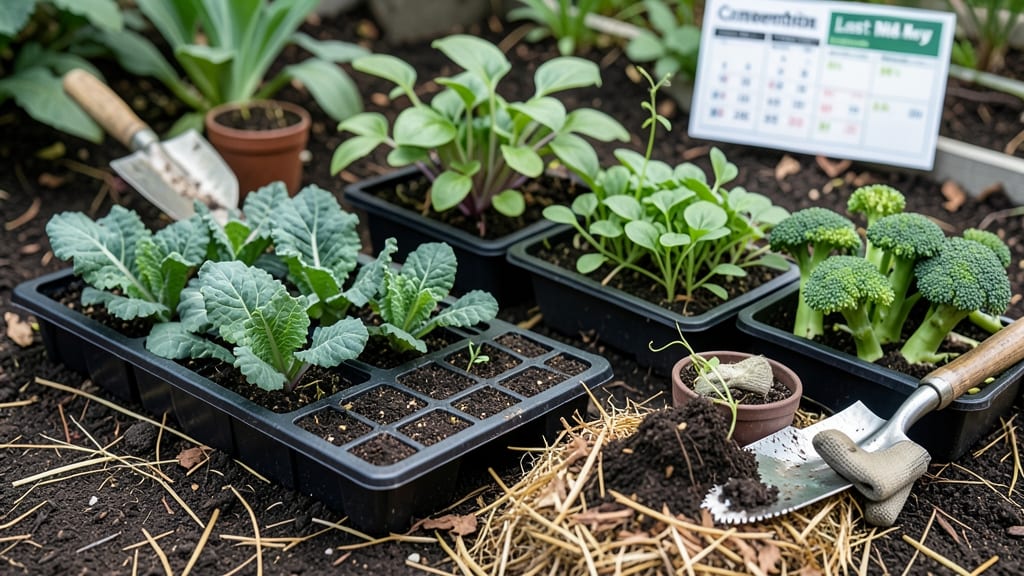
To plant a garden in Connecticut, timing is everything—especially with frost dates that can swing wildly from mid-April in coastal areas to late May inland.
Connecticut’s unpredictable spring weather can turn a gardener’s carefully planned planting schedule into a guessing game—but knowing the exact frost-free dates by plant type means you’ll never miss a season again.
Cool-season crops like spinach and peas thrive when planted as soon as the soil is workable, while tomatoes and peppers need to wait until after the last frost and when soil temperatures hit 60°F.
Below, I’ll break down the best planting windows for your CT zone, how to adjust for microclimates, and the three mistakes that derail even experienced gardeners.
Connecticut’s frost-free dates by region: when you can safely plant cool-season vegetables
Connecticut’s cool-season vegetables like broccoli, spinach, and peas thrive when planted at the right time—just before the last frost. But with regional variations across Hartford, New Haven, and coastal areas, timing is everything.
Coastal zones (like Groton) often see frost-free dates 1-2 weeks earlier than inland cities like Hartford, where cold snaps linger longer. Knowing these exact planting windows ensures your greens grow strong before summer heat arrives.
For Hartford (USDA Zone 6a), the average last frost date falls between April 15 and May 1, while New Haven (Zone 6b) typically warms up by April 20 to April 25.
Coastal areas like New London can start planting as early as April 5, thanks to milder temperatures near Long Island Sound. These differences mean your spinach or peas might bolt in Hartford if planted too late, but thrive in coastal gardens with perfect timing.
A comparison table below breaks down the last frost dates and ideal planting windows for your region, plus how to use row covers to extend your season. Whether you’re sowing seeds directly or transplanting starts, these dates will help you avoid frost damage and maximize your harvest.
If you’re growing broccoli or spinach, start seeds indoors 4-6 weeks before your region’s last frost date. For example, Hartford gardeners should sow broccoli indoors by March 15 to transplant outdoors by April 1.
Coastal gardeners can push this timeline back to March 1 for earlier harvests. Peas are the exception—they tolerate light frosts, so you can plant them as early as March 15 in all regions.
For lettuce, which bolts in heat, aim to plant successive crops every 2 weeks until May 15. In Hartford, this means your last planting should be by May 1, while coastal areas can stretch it to May 10.
Use shade cloth to protect tender greens from late-spring heat waves, which can turn your crisp lettuce bitter in days.
Row covers are your best friend for extending the season. A lightweight frost blanket can push back the last frost date by 2-3 weeks, giving you more time to grow cool-season crops like kale or radishes.
Secure the cover with bricks or stakes to prevent wind damage, and remove it on warm days to avoid overheating. This trick works especially well for New Haven gardeners, who can use covers to plant spinach as late as April 20.
Watch for unpredictable cold snaps, which can still hit after the average last frost date. Keep an eye on the National Weather Service or local Cooperative Extension forecasts, and have a backup plan like a mini greenhouse or cold frame.
In my Hartford garden, a late April frost once wiped out my peas—but I learned to use row covers as a precaution after that!
Pro tip: Soil temperature matters just as much as air temperature. Use a soil thermometer to confirm your garden bed is at least 40°F before planting cool-season crops.
Inland areas like Hartford often lag behind coastal zones, so don’t rush—waiting a few extra days can save your seedlings from chilling injury.
For urban gardeners in cities like Bridgeport, microclimates can vary even within neighborhoods. South-facing walls or rooftop gardens may warm up faster than shaded areas. Test your spot by planting a test crop like radishes—if they thrive, you’re good to go for other cool-season veggies.
Remember, fall planting is just as critical as spring. In Connecticut, you can often plant another round of spinach or
Warm-season planting schedule for Connecticut: tomatoes, peppers, and more (with heat-tolerant alternatives)
Connecticut’s warm-season garden thrives when you time plantings right after the last frost—typically mid-May to early June—but soil temperature matters more than dates. For tomatoes, peppers, and cucumbers, wait until the ground reaches 60°F+ at least 6 inches deep. This ensures roots establish quickly before summer heat arrives.
My secret for success? Start seeds indoors 6-8 weeks before your last frost date. This gives seedlings a head start, especially for heat-lovers like ‘Early Girl’ tomatoes or ‘Jupiter’ peppers, which need 70-85 days to mature. Coastal CT gardeners can plant slightly earlier thanks to milder nights.
🌱 summary table element placeholder:
| Plant Type | Soil Temp | Plant Time | Heat-Tolerant Variety |
|---|---|---|---|
| Tomatoes | 60°F+ | Late May | ‘Heatmaster’ or ‘Solar Fire’ |
| Peppers | 65°F+ | Early June | ‘Carolina Wonder’ or ‘Lunchbox’ |
| Cucumbers | 55°F+ | Mid-May | ‘Straight Eight’ or ‘Marketmore’ |
| Squash | 60°F+ | Late May | ‘Waltham Butternut’ or ‘Early Prolific’ |
For transplanting, harden off seedlings 7-10 days before moving them outside. Remove shade cloth gradually and place them in a sheltered spot during the day, then bring them in at night. This mimics natural conditions and reduces shock—critical for peppers, which are especially sensitive to temperature swings.
My go-to trick for CT’s short season? Use black plastic mulch to warm soil faster and suppress weeds. It also keeps roots cool during heatwaves, which is a lifesaver for tomatoes when daytime temps hit 90°F+.
Always water at the base, not overhead, to prevent fungal diseases like early blight.
Don’t forget about succession planting! For cucumbers and bush beans, sow seeds every 2 weeks until early July. This stretches your harvest and maximizes space.
And if summer arrives early, opt for fast-maturing varieties like ‘Patio’ tomatoes (55 days) or ‘Sweet Banana’ peppers (60 days) to beat the first frost.