
Planting
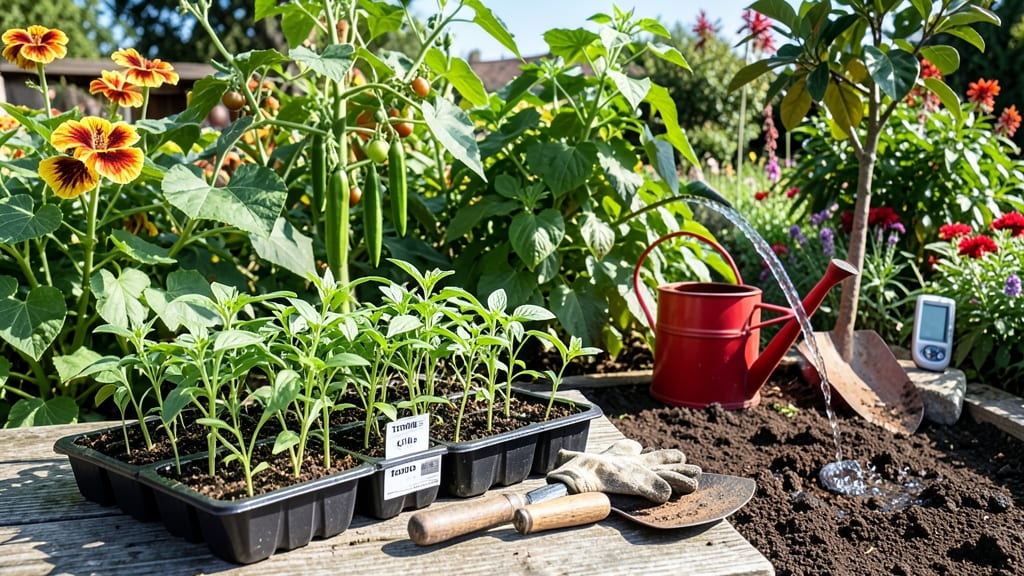
To plant a garden in Florida, you can start almost any month—thanks to its frost-free climate—but timing still determines whether your tomatoes ripen or your greens bolt.
Florida’s unique climate—with its long growing seasons and lack of frost—lets gardeners plant almost year-round, but timing still matters for maximum yields. Avoid common mistakes by following this science-backed month-by-month schedule tailored to Florida’s zero-frost zones.
Whether you’re a beginner or a seasoned gardener, knowing when to plant in Florida means beating the heat for heat-sensitive crops and taking advantage of cooler months for leafy greens. The key is matching your plants to the right season.
Below, I break down the best months for planting vegetables, flowers, and herbs in Florida’s 8a-11 zones, including heat-tolerant varieties and succession planting tips to keep your harvests coming all year.
Florida planting calendar by month for zero-frost crops
Florida’s frost-free climate means you can grow almost year-round, but strategic timing maximizes yields and avoids heat stress. Unlike northern gardens, Florida’s planting calendar focuses on heat tolerance and seasonal humidity shifts.
For example, tomatoes and peppers thrive in summer, while leafy greens prefer cooler months. This month-by-month guide covers vegetables, herbs, and flowers for Florida’s USDA zones 8a-10b.
Start with cool-season crops like broccoli and carrots in late fall, then transition to heat-loving varieties such as okra and sweet potatoes by spring. Succession planting—sowing seeds every 2-3 weeks—extends harvests for crops like bush beans and lettuce.
Florida’s long growing season also allows for year-round herbs like basil and cilantro, though they may bolt in peak summer heat.
Here’s your Florida planting calendar broken down by month, including heat-tolerant varieties and succession planting tips to keep your garden productive all year:
For
Best crops to plant in Florida’s summer vs. winter seasons
Florida’s climate creates two distinct growing seasons: summer’s scorching heat and winter’s mild coolness. Each season favors different crops, and understanding these differences can dramatically improve your garden’s success.
Summer brings heat-tolerant varieties like okra and sweet potatoes, while winter offers cooler-weather crops such as leafy greens and root vegetables. The key is selecting plants that thrive in these extremes.
In summer, temperatures often exceed 90°F, making it challenging for many traditional crops. However, heat-resistant tomatoes, okra, and sweet potatoes flourish under these conditions. These plants not only tolerate the heat but also produce abundant yields.
Meanwhile, winter brings cooler temperatures, ideal for broccoli, kale, and carrots, which prefer milder conditions to grow properly.
Here’s a quick comparison to help you decide what to plant in each season:
- Heat-tolerant crops thrive
- Longer daylight hours boost growth
- Fewer pests during peak heat
- High water needs
- Risk of bolting in greens
- Limited crop variety
- Cooler temps reduce stress
- Broader crop selection
- Lower water evaporation
- Shorter daylight hours
- Risk of frost in North Florida
- Slower growth rates
For summer gardening, focus on okra, sweet potatoes, and heat-resistant tomato varieties like Solar Fire or Heatmaster. These plants can handle Florida’s intense sun and humidity. Use mulch to retain moisture and shade cloth for delicate seedlings.
In winter, prioritize leafy greens such as kale, spinach, and collard greens, which thrive in cooler temperatures. Root vegetables like carrots and beets also perform well during this season.
Don’t overlook herbs—they’re a year-round winner in Florida! Basil, cilantro, and parsley grow well in both seasons, though basil may bolt in summer’s heat.
To extend your harvest, practice succession planting in summer and winter greens in cooler months. This ensures a continuous supply of fresh produce regardless of the season.
One of the biggest mistakes Florida gardeners make is planting traditional crops in the wrong season. For example, planting lettuce in summer will result in bitter, bolted leaves, while tomatoes planted in winter may struggle to ripen.
By aligning your crops with Florida’s seasonal conditions, you’ll enjoy healthier plants, better yields, and less frustration in your garden.
Experiment with seasonal rotations to keep your garden productive year-round. Start with summer heat-lovers, transition to winter cool-season crops, and always include herbs for a touch of green in every season.
With the right plants and timing, your Florida garden can be a year-round oasis of fresh, homegrown goodness! 🌱