
Planting
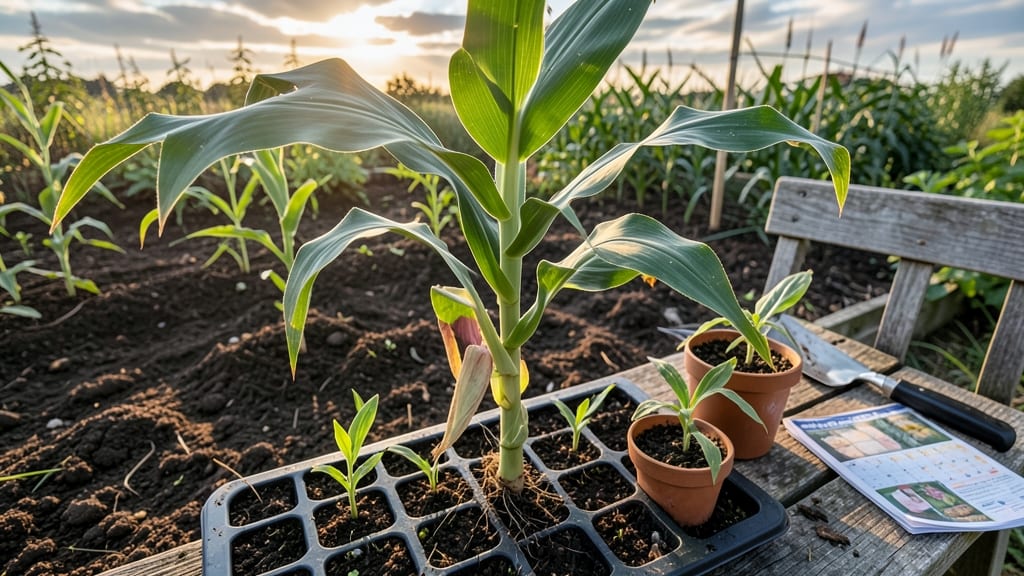
Planting your garden in Iowa at the right time means the difference between a lush harvest and a frost-nibbled disappointment.
Iowa’s unpredictable frost dates can make or break your garden—planting too early risks frost damage, while waiting too long shortens your growing season. Mastering the perfect planting window ensures a bountiful harvest, whether you're growing corn, beans, or delicate lettuce.
With USDA Zones 5a-6b and frost-free days averaging 165, timing is everything. Cool-season crops like spinach and peas thrive when planted as early as March, while warm-season favorites like tomatoes and peppers need to wait until soil temperatures hit 60°F—usually late April or early May.
Below, I’ll break down the exact frost-free timeline by zone, crop-by-crop planting schedules, and pro tips to stretch Iowa’s short growing season—so you can grow more without the guesswork.
Iowa’s frost-free timeline by planting Zone (2024 updated)
Understanding Iowa’s USDA Hardiness Zones 4b-5a is your first step to a thriving garden. The average last spring frost ranges from mid-April in southern Iowa to early May in the north, while the first fall frost arrives between mid-October and late September.
These dates create your frost-free growing season, typically lasting 120-160 days depending on location.
For precise timing, I rely on the Iowa State University Extension’s frost prediction tools—their 10-year frost date averages account for Iowa’s unpredictable weather patterns. For example, Des Moines (Zone 5a) averages its last frost on April 22, while Sioux City (Zone 4b) waits until May 5.
These tools help me adjust my planting schedule yearly.
Here’s how I use these frost dates to plan:
- Cool-season crops (like spinach, peas, and lettuce) go in 4-6 weeks before the last frost—even if soil is still cold.
- Warm-season crops (tomatoes, peppers, beans) wait until soil reaches 60°F and after the last frost—usually late May to early June.
- Fall planting starts 4-6 weeks before the first frost for crops like kale and radishes.
| Zone & City | Avg. Last Spring Frost | Avg. First Fall Frost | Frost-Free Days | Planting Window |
|---|---|---|---|---|
| Des Moines (Zone 5a) | April 22 | October 15 | 177 days | Late April–early Nov |
| Cedar Rapids (Zone 5a) | April 20 | October 12 | 180 days | Late April–mid Nov |
| Sioux City (Zone 4b) | May 5 | September 28 | 145 days | Early May–late Sept |
| Dubuque (Zone 5a) | April 28 | October 5 | 160 days | Late April–early Oct |
In Zone 5a cities like Des Moines, I start cool-season crops indoors in March and transplant them after the April frost date. For warm-season crops, I wait until mid-May when soil temperatures consistently stay above 60°F.
In Zone 4b areas like Sioux City, I shift my schedule later—planting cool crops in early May and warm crops in early June to avoid frost.
Pro tip: Use row covers to extend your season by 2-3 weeks in spring or fall. I’ve successfully grown spinach and lettuce under covers as early as mid-March in Des Moines, even when frost is still possible. Always check the ISU Extension’s weekly frost forecasts for real-time adjustments.
For fall planting, I aim to sow seeds 4-6 weeks before the first frost. In Cedar Rapids, that means late August to early September for crops like radishes and kale.
In Sioux City, I push it to mid-September to maximize the short season. Use a soil thermometer to confirm temperatures are still above 50°F for cool-season crops.
Iowa’s microclimates can vary dramatically—even within a city. A south-facing slope might warm up 1-2 weeks earlier than a low-lying area. I always scout my garden’s sun exposure and wind patterns to fine-tune my planting dates.
For example, my backyard in Des Moines gets full sun by 10 AM, while my neighbor’s garden on the north side waits until 11 AM.
Don’t forget to monitor local weather alerts—Iowa’s frost dates can shift 1-2 weeks due to early cold snaps or late warm spells. The National Weather Service’s and ISU Extension’s alerts help me stay ahead.
For instance, in 2023, a late frost in May delayed warm-season planting by 10 days in northern Iowa.
By aligning your planting with these frost-free timelines, you’ll avoid common mistakes like frost-killed seedlings or bolting lettuce. Start with your zone’s last frost date, then adjust for your specific microclimate and crop needs. Happy planting! 🌱
Best planting schedule by crop type in Iowa (cool vs. warm season)
Iowa’s growing season is short but sweet—getting your cool-season crops in early and warm-season plants timed just right makes all the difference. Whether you're transplanting tomatoes or direct-sowing squash seeds, knowing the ideal window for each crop ensures success.
Let’s break down the best times to plant by category, so you can maximize your harvest before Iowa’s first frost.
For cool-season crops like lettuce, peas, and spinach, the window opens as soon as the soil is workable—typically late March to early April in southern Iowa and mid-April to early May in northern regions. These plants thrive in 50-65°F soil and can even handle light frosts.
Meanwhile, warm-season crops like peppers, eggplants, and sweet corn need to wait until the soil reaches at least 60°F, usually mid-May to early June.
📌 Numbered Highlights: Iowa Planting Schedule by Crop Type
- 🌱 Cool-Season Crops (Direct Sow): Lettuce, spinach, peas, radishes – March 20 to April 15 (southern IA) or April 15 to May 1 (northern IA).
- 🌿 Cool-Season Crops (Transplant): Broccoli, cabbage, kale – April 1 to May 15 (start indoors 4-6 weeks before last frost).
- ☀️ Warm-Season Crops (Transplant): Tomatoes, peppers, basil – May 15 to June 1 (soil temp ≥ 60°F).
- 🌽 Warm-Season Crops (Direct Sow): Sweet corn, beans, squash – May 10 to June 10 (wait for stable 60°F+ soil).
- 🌼 Flowers (Annuals): Marigolds, sunflowers – April 15 to May 15 (direct sow after frost risk passes).
- 🍃 Fall Planting (Cool-Season): Kale, carrots, radishes – August 1 to September 1 (6-8 weeks before first frost).
One of the biggest mistakes I see is rushing to plant warm-season crops too early. For example, tomatoes and peppers will bolt or rot if planted in 50°F soil. Use a soil thermometer to confirm readiness—warm-season crops need that 60°F threshold to thrive.
If you’re starting seeds indoors, begin basil and tomatoes in March (8-10 weeks before transplanting), while peppers need a longer indoor head start (10-12 weeks).
Don’t overlook Iowa-specific crops like sweet corn and pole beans. These are staples in Iowa gardens and should be planted after Memorial Day (around May 25) to avoid late frosts. For squash and cucumbers, direct sow seeds into well-warmed soil (70°F+) in late May.
If you’re growing herbs, cilantro loves cool weather and can be sown in early spring or late summer, while basil needs the heat of June and July.
For flowers, marigolds and sunflowers are easy winners. Direct-sow marigolds in late April to deter pests, and sunflowers can handle direct sowing in May. If you’re aiming for a fall garden, plan for cool-season crops like kale and carrots in August.
These can withstand light frosts and even sweeten up after a frost! Just remember: 6-8 weeks before the first frost is your target for fall planting.
Pro tip: Use row covers or cold frames to extend your season for early spring or late fall crops. This can give you an extra 2-3 weeks of growing time, which is crucial in Iowa’s short season.
And always keep an eye on Iowa State University’s frost predictions—they’re updated annually and tailored to your specific region.