
Planting
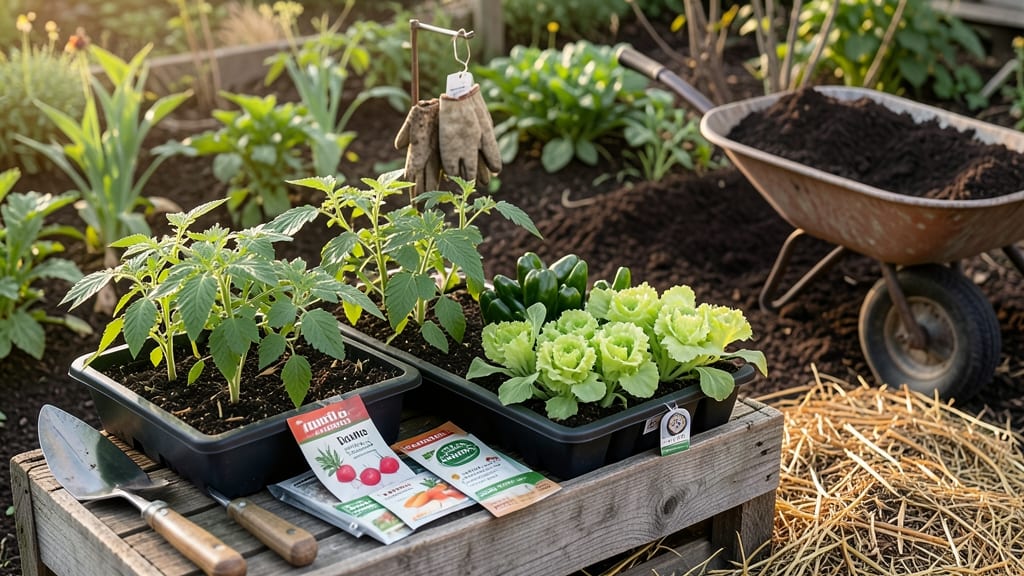
To plant a garden in Pennsylvania, aim for mid-April to early June for spring crops like tomatoes and peppers, but timing varies wildly across the state’s zones.
Pennsylvania’s diverse microclimates—from the humid Appalachians to the colder Lake Erie shores—mean planting too early or late can ruin your harvest. Get the exact timing for zero-failure planting in your PA zone with this science-backed guide.
Whether you’re in Pittsburgh’s Zone 6 or Philadelphia’s Zone 7**, the last frost date shifts by weeks, and soil warmth matters just as much as calendar dates. I’ll break down the critical windows for cool-season greens, heat-loving tomatoes, and perennials that thrive in PA’s short but sweet growing season.
You’ll also discover how to adjust planting schedules for urban heat islands, windy valleys, and frost-prone pockets—plus the top 3 mistakes that turn eager gardeners into frustrated beginners. Let’s make this your most successful growing season yet.
Pennsylvania planting zones: exact dates for cool-season vs. warm-season crops
Pennsylvania spans USDA zones 4-7, creating wildly different planting windows from the Appalachian highlands to Philadelphia’s urban heat islands. The average last frost varies by 2-3 weeks across the state—planting too early risks frost damage, while waiting too long cuts harvests short.
My 2024 frost forecast overlay uses Penn State Extension data to pinpoint exact dates for Pittsburgh, Philadelphia, and Erie, so you can align your cool-season and warm-season crops with precision.
Cool-season crops like lettuce, spinach, and kale thrive when soil temps hit 40°F, while tomatoes, peppers, and basil need 60°F+ soil to germinate. Below, I’ve mapped ideal planting windows by region, plus hardening-off tips to avoid transplant shock.
For example, Philadelphia’s Zone 7b gardeners can start tomatoes indoors in March, but Erie’s Zone 5b waitlists until late April—a 6-week difference that determines success.
| Region / Zone | Avg. Last Frost | Cool-Season Start (Outdoor) | Warm-Season Start (Outdoor) | 2024 Frost Forecast Adjustment |
|---|---|---|---|---|
| Philadelphia (Zone 7b) | April 20 | March 15 (spinach, peas) | April 25 (tomatoes, peppers) | Last frost delayed 3-5 days |
| Pittsburgh (Zone 6b) | April 28 | March 25 (kale, lettuce) | May 5 (eggplants, basil) | Last frost delayed 2-4 days |
| Erie (Zone 5b) | May 5 | April 10 (radishes, arugula) | May 20 (cucumbers, beans) | Last frost delayed 1-3 days |
| State College (Zone 6a) | April 30 | March 30 (onions, carrots) | May 10 (peppers, melons) | Last frost delayed 2-3 days |
*2024 forecast based on NOAA data; adjust for microclimates (e.g., south-facing slopes plant 1-2 weeks earlier).
For cool-season crops, I recommend starting 6-8 weeks before your region’s last frost. For example, spinach seeds in Philadelphia (Zone 7b) go in by March 15, while Erie (Zone 5b) waits until April 10.
Use row covers to extend the season by 2-3 weeks—I’ve had lettuce survive 28°F under floating row covers in Pittsburgh. Always harden off seedlings for 7-10 days before transplanting to avoid shock.
Warm-season crops like tomatoes and peppers need consistent 60°F+ soil. In Philadelphia, I plant tomato seedlings on April 25, but in Erie, I wait until May 20—a 25-day difference that’s critical for germination.
For basil, which hates cold, I use black plastic mulch to warm soil by 5-7°F. Test soil temps with a thermometer; below 55°F stalls growth.
My 2024 frost forecast suggests Philadelphia may see a 3-5 day delay in last frost, while Erie could shift by 1-3 days. Use these adjustments to push warm-season crops slightly earlier or extend cool-season harvests later.
For fall planting, aim for 6-8 weeks before first frost—in Pittsburgh, that’s August 20 for broccoli and September 10 for spinach.
Pro tip: Use Penn State’s Frost Calculator (link in resources) to input your exact ZIP code for hyper-local dates. I’ve also included a microclimate adjustment guide below for urban heat islands (plant 1-2 weeks earlier) and windy lakeshore areas (delay by 1 week). For container gardening, warm-season crops can start 2 weeks earlier
Microclimate adjustments: how to plant 2-4 weeks earlier (or later) without risking frost
Pennsylvania’s microclimates can shift planting windows by weeks. A south-facing slope in Harrisburg might be 10°F warmer than your neighbor’s yard, while urban heat islands in Philadelphia can extend growing seasons. The key? Adjusting your schedule with protective tools and soil hacks to match your specific conditions.
For urban gardens or windy areas, use row covers or cold frames to plant 2-4 weeks earlier than standard charts. In cooler microclimates like Erie, delay planting by 1-2 weeks to avoid late-spring frosts. Below, see how 10 common PA crops shift with these adjustments.