
Planting
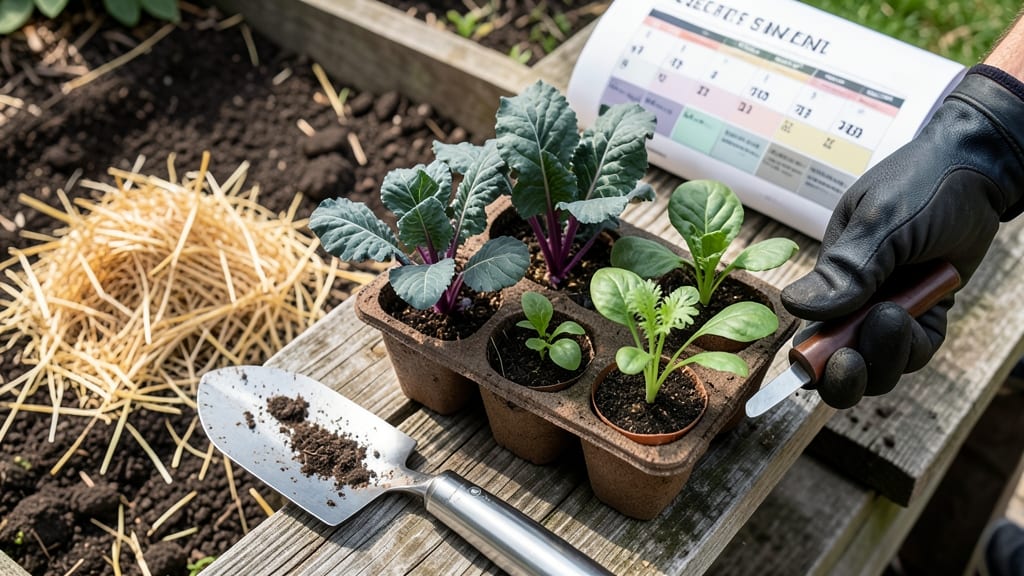
Planting a vegetable garden in Seattle at the right time means the difference between a thriving harvest and a season of disappointment.
Seattle’s unpredictable weather can turn a promising vegetable garden into a frustrating gamble—unless you plant at the perfect time. Missing these key windows means wasted seeds, stunted growth, or even total crop failure, but timing it right guarantees a bountiful harvest year-round.
With USDA Zone 8 conditions and a short growing season, knowing when to start seeds indoors, transplant seedlings, and sow directly outdoors is everything. Cool-season crops like kale and peas can handle early spring, while tomatoes and peppers need to wait until after the last frost—usually mid-May.
Here’s how to align your planting schedule with Seattle’s climate, avoid common mistakes, and stretch your growing season for year-round harvests—without breaking the bank or your back.
Seattle’s best planting windows by season (and why timing matters)
Seattle’s cool maritime climate creates unique planting opportunities—and pitfalls. Unlike warmer regions, our long, mild summers and short, wet winters demand precise timing to avoid frost damage or stunted growth.
The average last frost date hovers around May 15 in most areas, but microclimates like the Puget Sound can delay frost by 2-3 weeks compared to the Eastside. Understanding these windows means the difference between a bountiful harvest and wasted seeds.
Cool-season crops like kale, peas, and spinach thrive in Seattle’s spring and fall, while tomatoes, peppers, and cucumbers need our warm summer months to flourish. The key is balancing soil temperature (aim for 45°F+ for cool crops and 60°F+ for warm crops) with rainfall patterns.
Too much moisture in early spring can delay planting, while summer droughts require careful irrigation planning.
Here’s your month-by-month planting guide, tailored to Seattle’s USDA Zone 8a-9a and local microclimates. Use this as your roadmap to maximize yields and avoid common timing mistakes.
Seattle’s Puget Sound areas benefit from slightly warmer microclimates than the Eastside, where frost can linger later. For example, West Seattle gardens might plant tomatoes 1-2 weeks earlier than Redmond. Always check your local frost dates—the University of Washington’s AgWeatherNet provides real-time updates.
If you’re unsure, opt for fast-maturing varieties like ‘Early Girl’ tomatoes (55 days) or ‘Sugar Snap’ peas (60 days).
Another Seattle-specific tip: Use row covers to push planting windows. I’ve successfully grown spinach in February by covering beds with floating row covers, which trap heat and shield from chilly winds.
For warm-season crops, black plastic mulch can raise soil temperatures by 10–15°F, allowing earlier planting of peppers and eggplants. Just remember to remove covers when flowers appear to prevent pollination issues.
Timing isn’t just about when you plant—it’s also about what you plant.
3 Critical mistakes Seattle gardeners make (and how to fix them)
Seattle’s cool, wet springs and late fall frosts create unique challenges for gardeners. Many well-intentioned plantings fail because of timing mistakes that seem small but have big consequences. I’ve seen seedlings wilt overnight from unexpected frost or tomatoes struggle to ripen in our short summers.
The good news? Avoiding these three mistakes will save you time, money, and frustration.
First, let’s address the biggest mistake: planting warm-season crops too early. Many gardeners rush to put in tomatoes, peppers, and basil as soon as the weather warms up—only to have them suffer from cold soil and chilly nights.
These plants need consistent warmth to thrive, and Seattle’s soil often stays too cool until mid-May or even June in some microclimates.
⚠️ callout warning
Seattle’s 50°F soil can shock tomato and pepper seedlings. Wait until soil reaches 60°F+ (use a soil thermometer!) and nighttime temps stay above 55°F. For early starts, use biodegradable pots to transplant later when conditions improve.
🌱 Pro Tip: Test soil temp in morning sun—it’s often 10°F warmer than shaded areas.
Second, many Seattle gardeners ignore soil temperature when planting cool-season crops like kale, peas, and spinach. These hardy plants can handle cooler soil, but planting them too early—before the last frost date (around March 15)—means they’ll bolt or struggle.
The fix? Use row covers or cold frames to protect early plantings while letting them establish roots before April showers arrive in full force.
Third, choosing slow-maturing varieties is a common mistake. Seattle’s short growing season (about 180 frost-free days) demands fast-growing varieties. For example, opt for ‘Early Girl’ tomatoes (55 days) instead of heirloom varieties that take 80+ days.
Similarly, ‘Sugar Ann’ peas (60 days) outperform slower varieties. Check seed packets for “days to maturity” and subtract from your first frost date (October 15) to avoid disappointment.
To extend your season, I recommend succession planting every 2-3 weeks for crops like lettuce and radishes. This ensures a continuous harvest even when space is limited. For warm-season plants, use black plastic mulch to warm soil faster and drip irrigation to keep roots moist during our dry summers.
These small adjustments make a huge difference in Seattle’s challenging climate.
Remember, Seattle’s microclimates vary wildly—what works in Ballard’s coastal cool may fail on the Eastside’s hotter slopes. Pay attention to your specific zone and adjust planting dates accordingly. With these fixes, you’ll avoid the most common pitfalls and enjoy a thriving garden year-round. 🌱